Compost Types Explained: Inoculating, Fertilizing, Nutritional, and Mulching Compost

Compost is the backbone of healthy soil and thriving plants, but not all compost is created equal. Understanding the differences between inoculating compost, fertilizing compost, nutritional compost, and mulching compost helps gardeners apply the right type for specific garden needs, boosting soil life, plant growth, and ecosystem health.
1. Inoculating Compost
Definition:
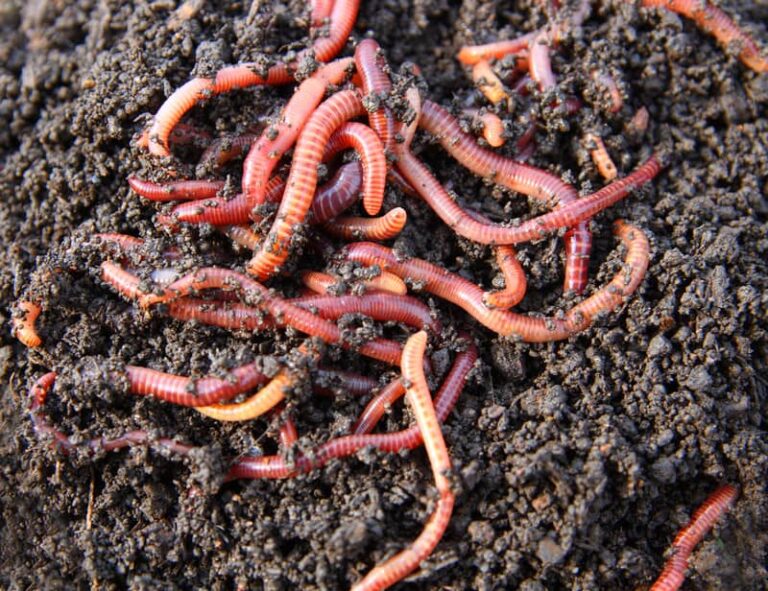
Inoculating compost is enriched with beneficial microbes, fungi, and sometimes worms to kickstart or enhance decomposition and soil biology.
Purpose:
- Introduces mycorrhizal fungi and bacteria
- Accelerates composting or soil life in new beds
- Supports healthy plant roots and disease resistance
Usage Tips:
- Apply when starting new compost piles
- Sprinkle in beds to boost microbial diversity
- Combine with organic matter to “feed” microbes
2. Fertilizing Compost
Definition:
Fertilizing compost is rich in nutrients (N-P-K) aimed at supplementing plant fertility, often including manure or mineral amendments.
Purpose:
- Directly feeds plants with essential nutrients
- Balances soil fertility where deficiencies exist
- Supports fast-growing vegetables or nutrient-demanding crops
Usage Tips:
- Mix into soil before planting, or topdress during growth
- Use in moderation; over-fertilizing can harm soil biology
- Ideal for intensive vegetable or fruit gardens
3. Nutritional Compost
Definition:
Nutritional compost emphasizes a broad spectrum of micronutrients and organic compounds that improve overall soil and plant health.
Purpose:
- Provides trace elements like calcium, magnesium, iron, and zinc
- Enhances soil structure and microbial activity
- Supports plant immunity, flavor, and long-term fertility
Usage Tips:
- Incorporate regularly into vegetable beds or perennials
- Often combined with mulch layers for ongoing nutrient release
- Excellent for regenerative and organic gardening systems
4. Mulching Compost
Definition:
Mulching compost is applied as a protective top layer rather than mixed into the soil, often coarse or chopped for coverage.
Purpose:
- Retains moisture and regulates soil temperature
- Suppresses weeds
- Gradually feeds soil as it decomposes
- Reduces erosion and compaction
Usage Tips:
- Apply 2–4 inches thick around plants or across beds
- Replenish as it breaks down or settles
- Can be combined with other compost types for extra fertility
Key Differences at a Glance
| Compost Type | Purpose | Application | Key Benefit |
|---|---|---|---|
| Inoculating | Boost soil biology | Add to compost pile or soil | Increases microbes, fungi, worms |
| Fertilizing | Supply plant nutrients | Mix or topdress | Direct nutrient boost |
| Nutritional | Provide trace minerals | Incorporate or topdress | Improves plant health and soil balance |
| Mulching | Protect soil, conserve moisture | Spread on soil surface | Reduces weeds, water loss, and adds organic matter |
Conclusion
Understanding the differences between compost types allows gardeners to strategically apply the right compost for the right purpose. Inoculating compost builds soil life, fertilizing compost feeds plants, nutritional compost balances micronutrients, and mulching compost protects soil while slowly enriching it. Using these types intentionally can improve yields, reduce inputs, and create resilient, fertile garden soil.