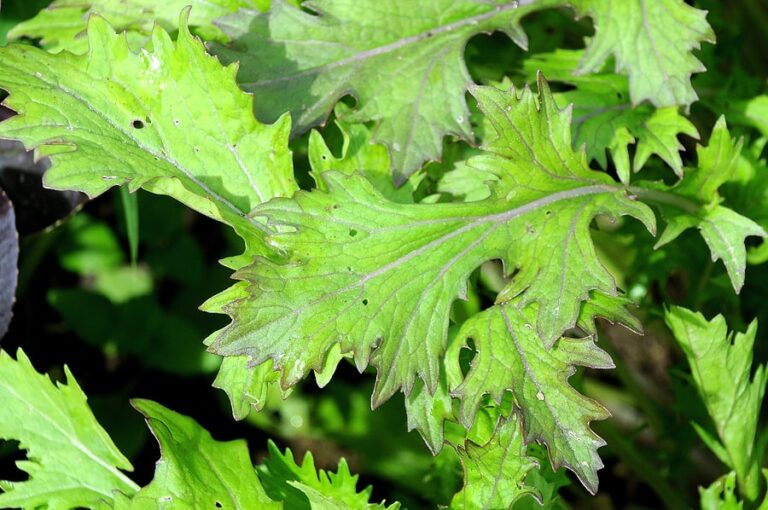
Common Bok Choy Pests and Diseases and How to Prevent and Control Them Naturally

Bok choy is one of the most rewarding and fast-growing leafy vegetables, but it’s also a favorite target for many common garden pests and diseases. Over the years growing bok choy in my Sonoma Valley garden—and helping other gardeners troubleshoot their crops—I’ve learned which problems to expect, how to spot them early, and which organic controls work best. With the right preventative strategies, you can keep your bok choy thriving from seedling to harvest.
Common Bok Choy Pests
1. Flea Beetles
Symptoms: Tiny “shot-hole” damage on leaves, most severe on young seedlings.
When They Appear: Early spring and early fall.
Prevention & Control:
- Cover crops immediately with row cover after planting.
- Avoid planting in beds used for brassicas the previous year.
- Use sticky traps or a light dusting of diatomaceous earth around plants.
In my garden, row cover is the single most effective strategy against flea beetles.
2. Cabbage Worms (Imported Cabbageworm, Loopers, Armyworms)
Symptoms: Ragged holes, green frass pellets, hidden caterpillars on undersides of leaves.
Prevention & Control:
- Cover with row cover from the start (prevents egg-laying).
- Handpick caterpillars if infestation is small.
- Apply Bacillus thuringiensis (Bt) as an organic spray.
Consistent scouting makes a big difference—catching the first caterpillars prevents major damage.
3. Aphids
Symptoms: Curling leaves, sticky honeydew, clusters of soft-bodied insects.
Prevention & Control:
- Knock aphids off with a strong blast of water.
- Encourage ladybugs and lacewings by planting dill, fennel, and alyssum nearby.
- Use insecticidal soap if populations increase.
I rely heavily on beneficial insects—once I planted sweet alyssum, aphid issues dropped dramatically.
4. Slugs and Snails
Symptoms: Large holes, slime trails, nighttime feeding damage.
Prevention & Control:
- Use iron phosphate bait around the bed perimeter.
- Set beer traps or lay out boards and collect slugs in the morning.
- Water in the morning, not evening, to reduce humidity overnight.
5. Root Maggots
Symptoms: Seedlings wilting or collapsing; tunneled roots.
Prevention & Control:
- Use row cover immediately after planting.
- Lay a 3–4 inch collar of sand around the base of plants (discourages egg-laying).
- Rotate brassicas yearly.
Root maggots are largely preventable with row cover alone.
Common Bok Choy Diseases
1. Downy Mildew
Symptoms: Yellow or pale patches on leaves; gray mold underneath.
Favors: Cool, humid conditions.
Prevention & Control:
- Space plants for good airflow.
- Water at the soil level—avoid wetting leaves.
- Remove and discard infected leaves.
- Use resistant varieties when possible.
2. Clubroot
Symptoms: Stunted growth, wilting, swollen or distorted roots.
Favors: Acidic, wet soils.
Prevention & Control:
- Rotate brassicas for at least 3 years.
- Maintain soil pH between 6.5–7.2.
- Remove and dispose of infected plants (do not compost).
Once clubroot arrives, rotation and pH adjustment are your main tools.
3. Black Rot
Symptoms: V-shaped yellow lesions on leaf edges, darkened veins.
Spread: Splashing water, infected soil or seeds.
Prevention & Control:
- Use certified clean seed.
- Avoid overhead watering.
- Remove affected plants immediately.
4. Powdery Mildew
Symptoms: White powdery patches on leaves.
Favors: Warm days, cool nights.
Prevention & Control:
- Improve airflow; avoid overcrowding.
- Apply neem or potassium bicarbonate sprays if needed.
In my garden, good spacing alone usually keeps powdery mildew in check.
General Prevention Strategies That Always Work
After decades of growing bok choy, I’ve found a handful of practices prevent most problems before they begin:
- Plant in the right season (cool spring and fall).
- Rotate crops yearly, especially after other brassicas.
- Use floating row cover early, especially against flea beetles, worms, and root maggots.
- Water at soil level to avoid moisture-related diseases.
- Grow bolt-resistant, disease-tolerant varieties like ‘Joi Choi,’ ‘Green Fortune,’ and ‘Mei Qing Choi.’
- Remove debris around the garden to reduce pest habitat.
Prevention is far more effective than battling an infestation mid-season.
Final Thoughts
Bok choy grows quickly, which means pests and diseases can spread quickly too. But with seasonally timed planting, regular scouting, and simple protective measures like row cover and clean watering practices, you can maintain healthy, fast-growing plants all season long. These strategies come directly from years of hands-on gardening and troubleshooting hundreds of brassica crops.
Bok Choy Learning Hub
Start here: The Ultimate Guide to Growing Bok Choy
Bok Choy Planting & Timing
- When to Plant Bok Choy for Spring, Summer, and Fall
- Bok Choy Planting Calendar: Month-by-Month Guide
- Best Growing Conditions for Tender, Bolt-Resistant Bok Choy
Starting, Transplanting & Direct Sowing
- How to Start Bok Choy Indoors Under Lights
- Direct Sowing Bok Choy for Fast, Tender Harvests
- How to Transplant Bok Choy Without Triggering Bolting
Bok Choy Care
- Watering Bok Choy: Keeping Plants Tender and Not Tough
- How to Fertilize Bok Choy for Fast, Leafy Growth
- How to Prevent Bok Choy from Bolting (Heat, Stress & Day Length)
Pests & Diseases
Harvest & Storage
Containers & Small Spaces
Varieties
- Best Bok Choy Varieties for Home Gardeners
- Baby Bok Choy Varieties for Fast, Tender Yields
- Heat-Tolerant and Bolt-Resistant Bok Choy Varieties
Companion Planting