Building Soil Health in Winter: Regenerative Garden Tips for Strong, Fertile Soil

Winter is the perfect time to focus on soil health. After more than 30 years of year-round gardening in Sonoma Valley, I’ve learned that healthy soil is the foundation for productive crops, strong roots, and resilient plants. Even while many beds are resting, you can actively improve fertility, structure, and biology using regenerative practices.
Visit the Winter Garden and Season Extension Learning Hub
Here’s how I build soil health during the winter season.
1. Add Organic Matter
Organic matter is the backbone of fertile soil.
Experience tips:
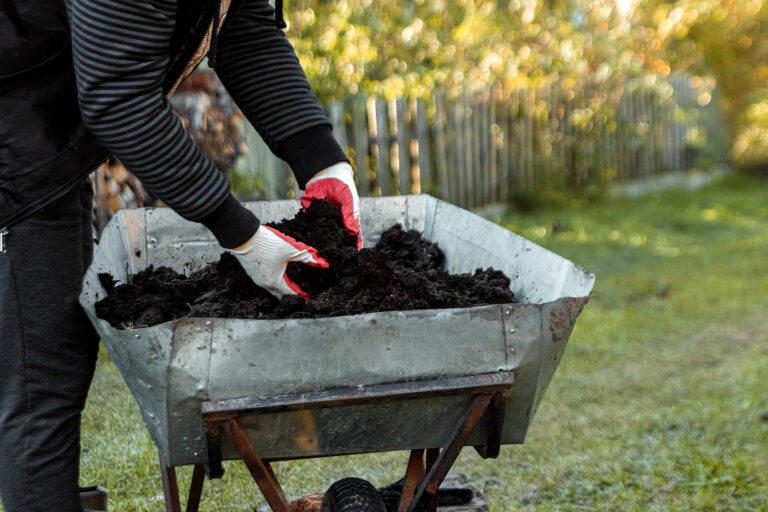
- Spread 2–4 inches of well-aged compost over beds
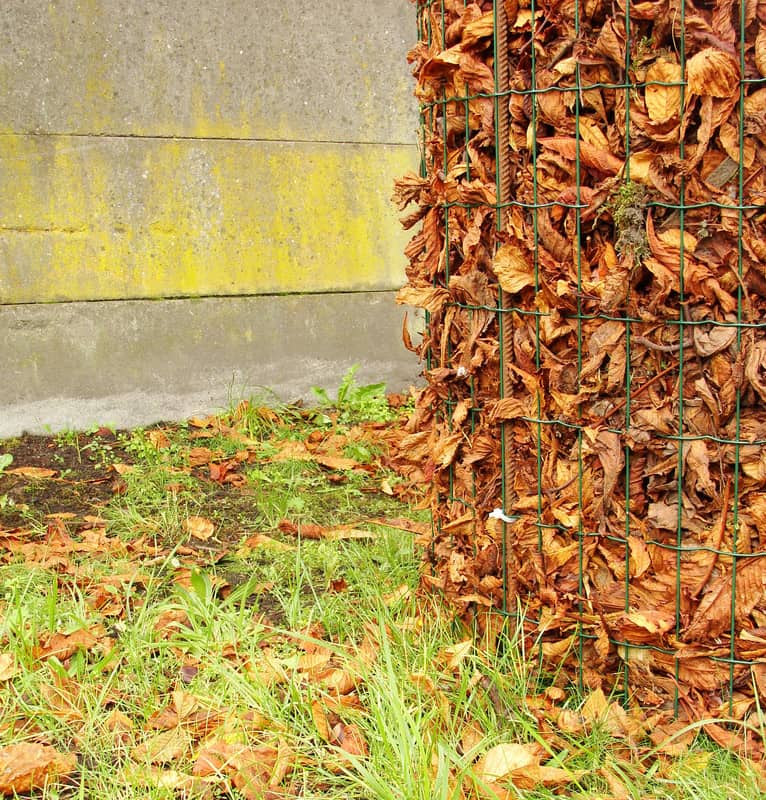
- Use leaf mold, shredded leaves, or grass clippings as additional mulch
- Incorporate spent cover crops (legumes, mustard, buckwheat) into beds
Why it works:
Organic matter feeds soil microbes, improves structure, and retains moisture for winter crops.
2. Plant Cover Crops
Cover crops are a cornerstone of regenerative gardening.
Experience tips:
- Legumes like fava beans or clover fix nitrogen for spring crops
- Mustards and radishes help break up compacted soil and suppress pests
- Sow cover crops in prepared beds after harvest
Benefit:
Cover crops enrich soil, prevent erosion, and encourage beneficial microorganisms.
3. Mulch for Microbial Health
Mulch protects soil and encourages beneficial life.
Experience tips:
- Apply straw, shredded leaves, or composted mulch 2–4 inches thick
- Keep soil covered at all times—regenerative gardens never leave soil bare
Benefit:
Mulch keeps soil temperatures stable, prevents nutrient loss, and feeds microbes as it decomposes.
4. Minimize Soil Disturbance
Tilling in winter can harm soil structure and microbial life.
Experience tips:
- Use no-dig or minimal-dig approaches wherever possible
- Incorporate amendments gently into the top 2–3 inches of soil
- Avoid walking on wet beds to prevent compaction
Why it matters:
Healthy soil structure improves water retention, drainage, and root growth.
5. Encourage Soil Biodiversity
Healthy soil is alive with microorganisms, worms, and insects.
Experience tips:
- Add compost teas or liquid amendments to feed microbes
- Avoid chemical fertilizers or pesticides that disrupt soil life
- Rotate crops and maintain plant diversity to support beneficial organisms
Benefit:
A biologically active soil is more resilient, nutrient-rich, and productive.
6. Plan for Spring
Winter is an ideal time to prepare regenerative strategies for the upcoming growing season.
Experience tips:
- Observe how beds performed last year and adjust cover crops or amendments
- Plan crop rotations to prevent disease and maintain soil fertility
- Schedule early spring planting based on soil readiness
Final Thoughts
Building soil health in winter isn’t just about feeding plants—it’s about nurturing the life beneath the surface. Decades of experience have taught me that a regenerative, winter-focused approach creates stronger, more resilient gardens year after year. Healthy soil in winter equals abundant harvests in spring.
Winter Soil Health & Regenerative Gardening Checklist
1. Add Organic Matter
- Spread 2–4 inches of well-aged compost over beds
- Incorporate shredded leaves, leaf mold, or grass clippings as mulch
- Add spent cover crops (legumes, mustard, buckwheat) into soil
2. Plant Cover Crops
- Sow legumes (fava beans, clover) to fix nitrogen
- Use mustard or radish to break up compacted soil and suppress pests
- Ensure full coverage of beds after harvest to prevent erosion
3. Mulch Beds
- Apply 2–4 inches of straw, shredded leaves, or composted mulch
- Keep soil covered at all times to feed microbes and retain moisture
- Replenish mulch as it decomposes throughout winter
4. Minimize Soil Disturbance
- Avoid deep tilling; use no-dig or minimal-dig approaches
- Incorporate amendments gently into the top 2–3 inches of soil
- Avoid walking on wet beds to prevent compaction
5. Encourage Soil Biodiversity
- Feed soil microbes with compost teas or liquid organic amendments
- Avoid chemical fertilizers and pesticides that disrupt soil life
- Maintain crop diversity and rotate beds to support beneficial organisms
6. Plan for Spring
- Observe bed performance and adjust amendments and cover crops
- Plan crop rotations to prevent disease and maintain fertility
- Schedule early spring planting based on soil readiness
Winter Soil Health & Regenerative Gardening Calendar (December–February)
December
Organic Matter & Mulch
- Spread 2–3 inches of well-aged compost on beds
- Add shredded leaves or straw mulch to protect soil and feed microbes
Cover Crops
- Sow fava beans, clover, or other winter legumes to fix nitrogen
- Plant mustard or radishes to break up compacted soil and suppress pests
Planning & Observation
- Take notes on last season’s bed performance
- Plan cover crops and amendments for upcoming spring
January
Soil Preparation
- Lightly incorporate compost and amendments into topsoil (no deep tilling)
- Maintain mulch layer, replenishing if needed
Cover Crop Maintenance
- Monitor growth of winter cover crops
- Mow or cut cover crops before they go to seed to incorporate into soil
Biodiversity
- Apply compost teas or liquid amendments to feed soil microbes
- Avoid chemical fertilizers or pesticides
February
Soil & Bed Prep
- Incorporate decomposed cover crops into beds as green manure
- Ensure soil is ready for early spring planting
Planning & Spring Prep
- Plan crop rotations to maintain soil fertility and reduce disease
- Schedule early sowing or transplanting based on soil temperature
- Observe and adjust winter soil management practices for next year