Best Companion Plants for Parsnips (and What to Avoid)

Parsnips thrive when planted alongside compatible vegetables and herbs, while some neighbors can stunt their growth or attract pests. Over decades of gardening in Sonoma Valley—using raised beds, mounded rows, and containers—I’ve learned which plants encourage healthy parsnips and which to avoid. Companion planting not only optimizes space but also improves flavor, root development, and pest resistance.
Why Companion Planting Matters
Interplanting parsnips with complementary crops provides several benefits:
- Reduces pest and disease problems
- Maximizes garden space
- Improves soil fertility
- Encourages better root and foliage development
When done right, companion planting turns a single bed into a mini ecosystem where plants support each other.
Best Companion Plants for Parsnips
1. Onions, Garlic, and Chives
- Repel carrot rust flies and other root pests.
- Their shallow roots don’t compete with deep-growing parsnips.
- Interplant thinly between parsnip rows for protection and space efficiency.
My experience:
When I interplanted onions with parsnips, I saw fewer pest issues and healthier roots overall.
2. Leeks
- Similar benefits to onions: repel pests and don’t compete for nutrients.
- Ideal for interplanting along the row edges.
3. Lettuce and Spinach
- Grow quickly and are harvested before parsnips mature.
- Provides shade for seedlings in warmer climates.
- Leaves soil cooler and reduces evaporation.
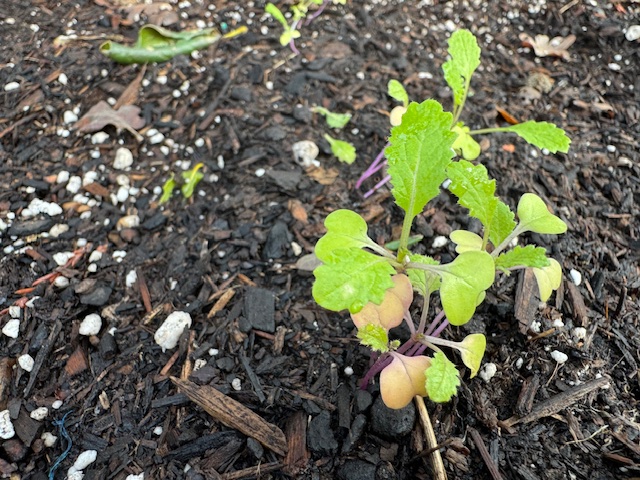
4. Radishes
- Radishes germinate fast and loosen soil near parsnip roots.
- Harvest early to avoid competing for space.
Interplanting tip:
Sow radishes between parsnip rows; they act as natural markers for row spacing while improving soil texture.
5. Herbs (Coriander, Sage, and Rosemary)
- Strong scents repel common pests.
- Small roots don’t interfere with parsnips.
My experience:
Coriander and sage planted near parsnips kept carrot rust flies away while adding flavor to my garden beds.
Plants to Avoid With Parsnips
1. Parsley
- Attracts similar pests as parsnips, increasing infestation risk.
2. Celery
- Competes for similar nutrients and slows root development.
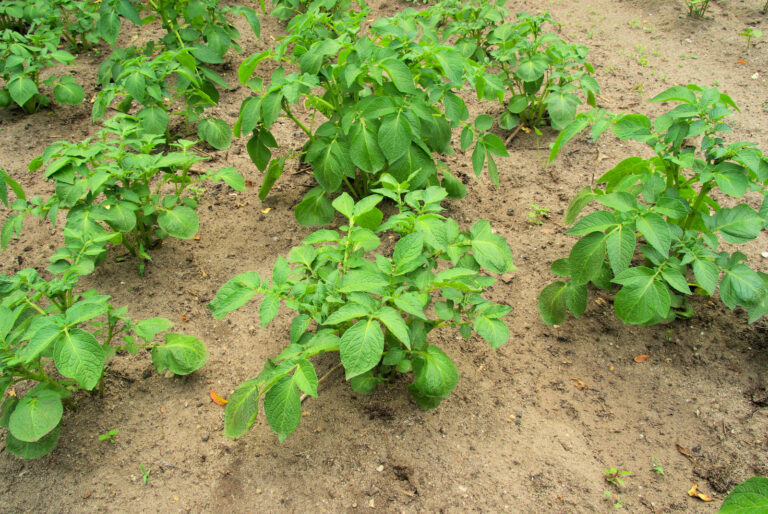
3. Potatoes
- Can harbor soil pathogens harmful to parsnips.
- Crowded root space and uneven soil moisture reduce parsnip quality.
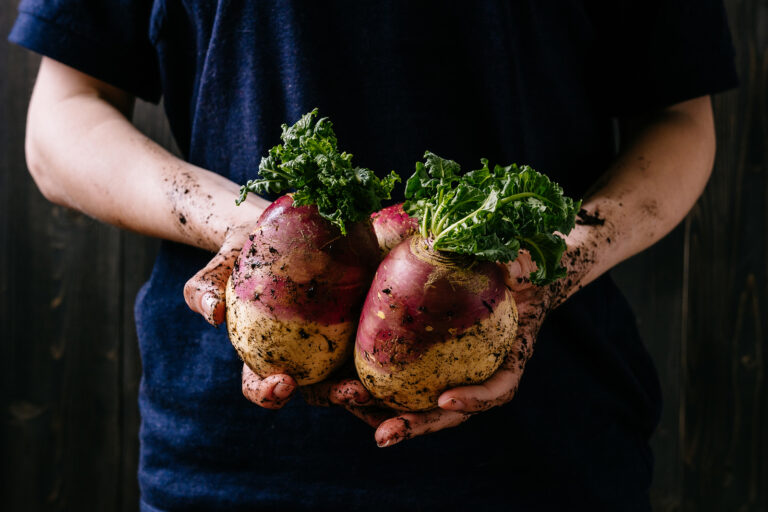
4. Brassicas (Cabbage, Broccoli, Kale)
- Heavy feeders that compete for nutrients.
- Their dense foliage can shade parsnip seedlings.
Tips for Successful Interplanting
- Maintain proper row spacing (12–18 inches) to avoid overcrowding.
- Sow fast-growing companions early to take advantage of short windows.
- Thin seedlings carefully to preserve root shape.
- Rotate crops yearly to reduce pest buildup.
My experience:
When interplanting, timing is key. Fast-growing crops like lettuce or radishes are harvested long before parsnips need full space, maximizing both yield and root quality.
Final Thought
Companion planting parsnips with onions, leeks, herbs, and quick-growing vegetables enhances growth, flavor, and pest resistance. Avoid heavy feeders or plants that attract the same pests. By carefully interplanting and observing spacing, you can create a thriving, balanced garden where parsnips reach their full potential.
Parsnip Learning Hub
Start here: How to Plant, Grow, and Harvest Parsnips: A Complete Guide
Planting & Timing
- When to Plant Parsnips: Best Soil Temperature & Seasonal Timing Explained
- How to Prepare Soil for Parsnips: Bed Prep, pH, and Amendments
- Parsnip Seed Germination Tips: How to Ensure Even, Fast Sprouting
Location & Setup
- Where to Grow Parsnips: Sun, Soil, and Garden Bed Requirements
- How to Grow Parsnips in Raised Beds
- Growing Parsnips in Containers: Soil Mix, Size, and Yield Expectations
Planting Techniques
- Parsnips Seed Starting Tips
- How to Plant Parsnip Seeds for Straight, Long Roots
- Parsnip Spacing Guide: Row Spacing, Thinning, and Root Development
Care & Maintenance
- How to Water Parsnips: Moisture Needs at Every Stage
- How to Feed Parsnips: Fertilizer Timing and Organic Amendments
- Parsnip Care Guide: Mulching, Weeding, and Protecting Roots
Companions & Intercropping
Pest & Diseases
Harvest & Kitchen
- How to Harvest and Store Parsnips
- How to Preserve Parsnips: Freezing, Drying, and Cellaring
- Five Ways to Cook and Serve Parsnips
Varieties