How to Grow Hardenbergia – Lilac Vine

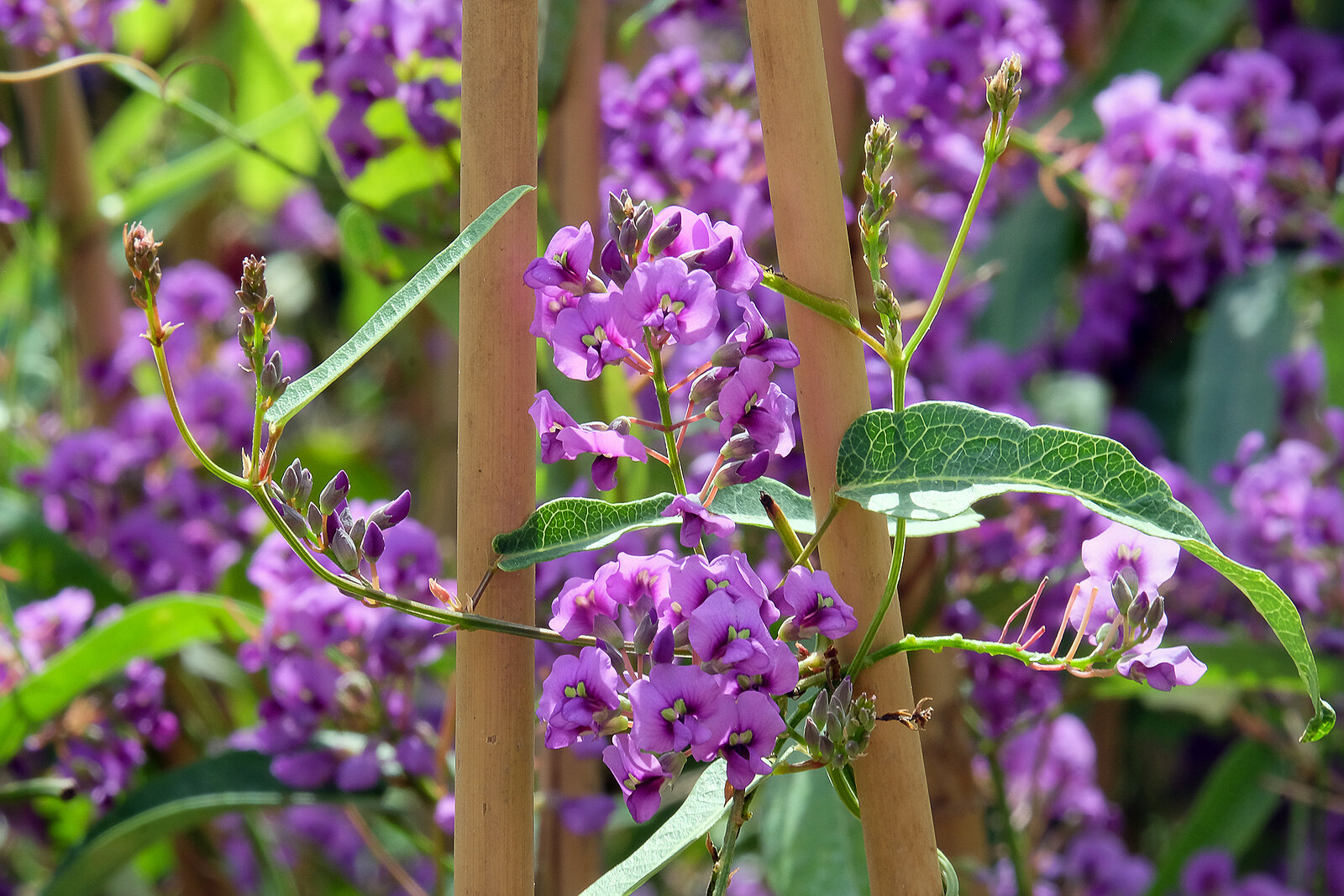
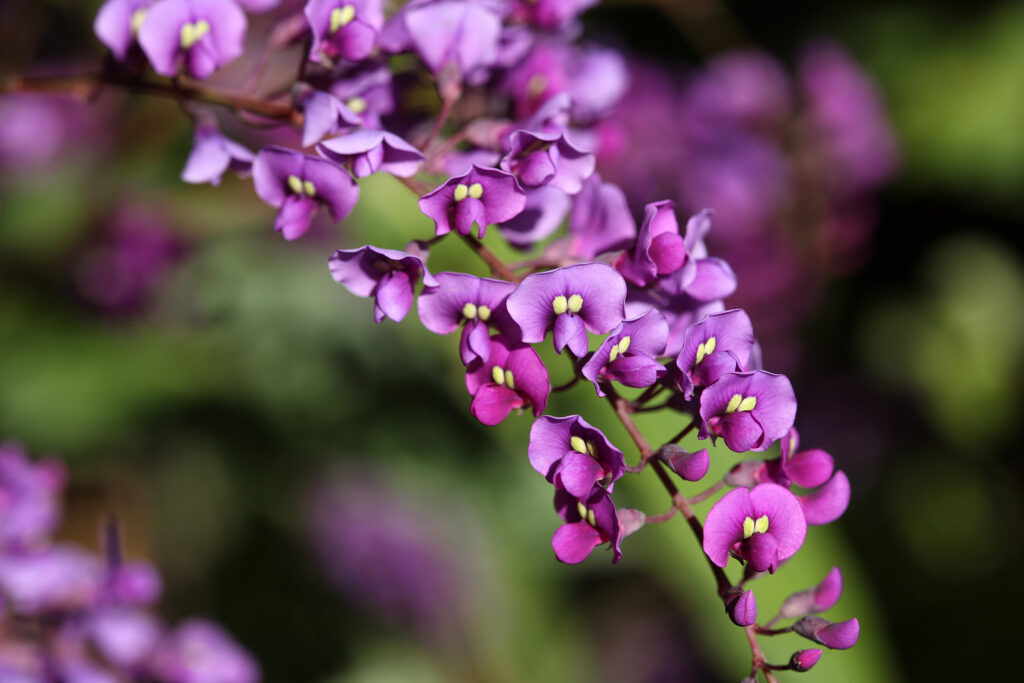
Hardenbergia is a shrubby vine with climbing branches that bears showy clusters of usually purple to lilac colored, pea-shaped flowers in early spring.
Hardenbergia vines can grow 8 to 10 feet tall. They will easily cover a small trellis or fence. Where not supported, Hardenbergia can be grown as a groundcover and allowed to cascade o er banks and slopes.
Hardenbergia grows best in slightly acid, well-drained soil. Hardenbergia can be damaged by light to moderate frosts.
Hardenbergia is a genus of 3 species native to Australia.
Know What to Plant This Week
Every week I answer the gardener's most important question: what should I plant now? Get seasonal planting advice free — or go Pro for my full Soil Temperature Garden Report, with soil temperature, moisture, weather trends, and crop-by-crop recommendations.
Get to know Hardenbergia
- Plant type: Evergreen vine
- Growing zones and range: Zones 10-15
- Hardiness: Deciduous in Zone 9
- Height and width: 6 feet (2m) tall or more
- Foliage: Alternate lance-shaped, deep-green, leathery leaves which can be palmate
- Flowers: Small, pea-like flowers borne in racemes
- Flower color: Pink to purple, sometimes wi=hite
- Bloom time: Spring
- Uses: Cover arbor, pergola, or wall
- Common name: Coral pea
- Botanical name: Hardenbergia
- Family name: Fabaceae
- Origin: Australia
Where to plant Hardenbergia
- Grow Hardenbergia in full sun to partial shade
- Grow Hardenbergia in moderately fertile, moist, but well-drained soil. Slightly acidic soil is best.
- Where not hardy, Hardenbergia can be grown in a temperate greenhouse.
When to plant Hardenbergia
- Plant container-grown Hardenbergia in the garden in spring.
Planting and spacing Hardenbergia
- Space
How to water and feed Hardenbergia
- Water Hardenbergia moderately during th growing season.
- Fertilize Hardenbergia with a balanced liquid fertilizer monthly.
Hardenbergia care
- Provide support for Hardenbergia to climb.
- Without support Hardenbergia can be grown as a groundcover.
Hardenbergia pests and diseases
- Hardenbergia is sometimes affected by bacterial an fungal leaf spots.
- Hardenbergia can be attacked by spider mites and aphids.
Hardenbergia propagation
- Sow Hardenbergia seeds at 68°F (20°C) in spring; presoak seeds for a day to aid germination.
- Root softwood cuttings in sring.
Hardenbergia varieties to grow
- Hardenbergia comptoniana. Vigorous climber; grows to 10 feet tall or more; bears penden, mauve to purple flowers; best in moist, slightly acid soil.
- H. violacea, purple coral pea. Climber or sometimes trailing; purple to violet flowers borne on racemes; grows to 6 feet tall; well-adapted to dry climates; cultivars include ‘Alba’ with white flowers, ‘Happy Wanderer’ with purple-blue flowers.