
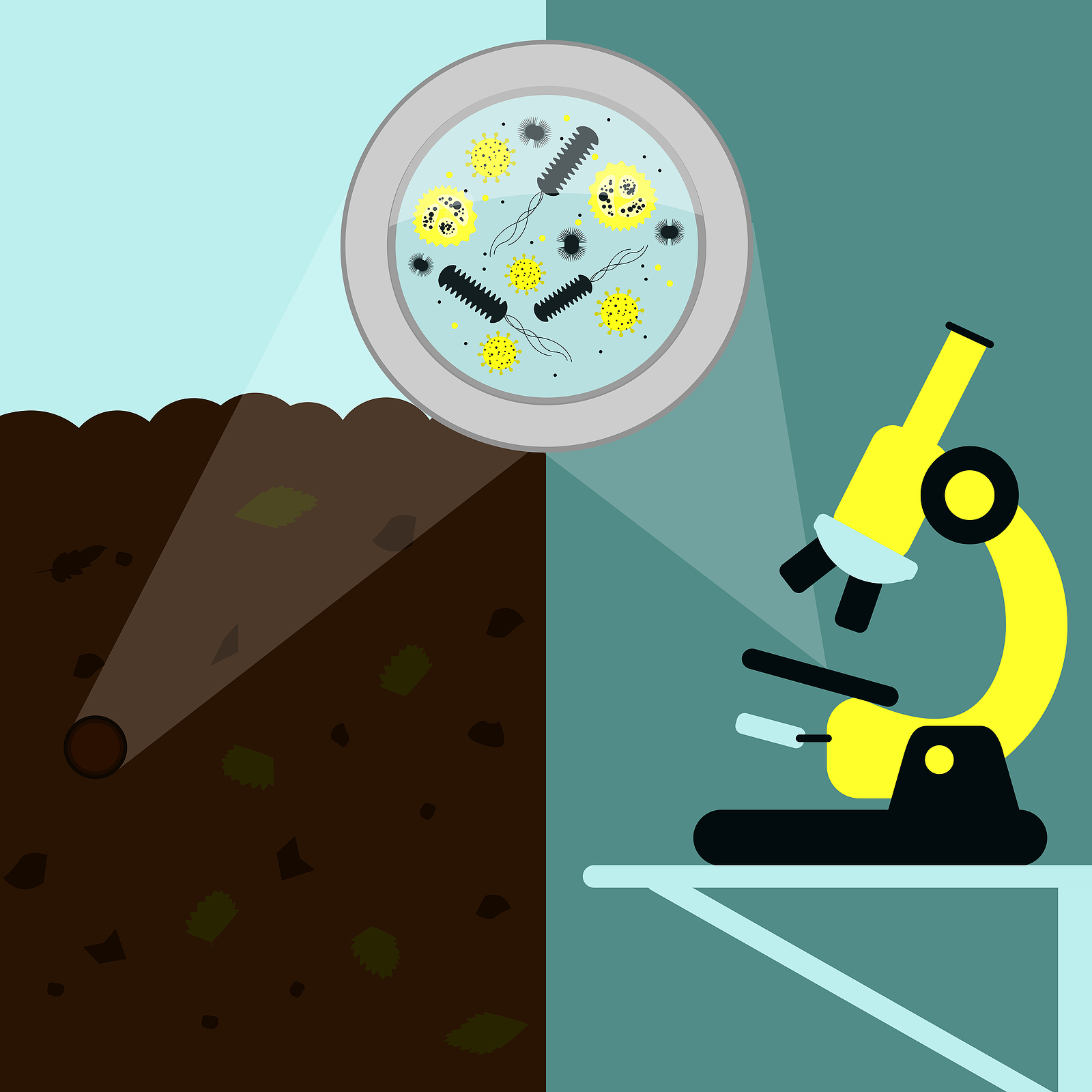
Soil Microorganisms: The Hidden Workforce That Makes Your Vegetable Garden Thrive

Healthy vegetable gardens don’t begin with fertilizer—they begin with living soil.
Every handful of healthy garden soil contains billions of microscopic organisms working around the clock. These organisms decompose organic matter, release nutrients, improve soil structure, suppress diseases, and help plant roots absorb water and minerals. In my own vegetable gardens over the past 30 years, I’ve found that crops consistently perform better when I focus first on feeding the soil rather than simply feeding the plants.
Here’s a look at the tiny organisms that make healthy gardens possible.
Why Soil Microorganisms Matter
Soil is far more than sand, silt, clay, and organic matter. It is a living ecosystem.
Know What to Plant This Week
Every week I answer the gardener's most important question: what should I plant now? Get seasonal planting advice free — or go Pro for my full Soil Temperature Garden Report, with soil temperature, moisture, weather trends, and crop-by-crop recommendations.
Most vegetable roots absorb nutrients only after microorganisms have broken down organic materials into forms plants can use. Without these organisms, much of the nitrogen, phosphorus, potassium, and micronutrients in the soil would remain unavailable.
Healthy microbial populations also:
- Improve soil structure
- Increase water infiltration
- Reduce soil compaction
- Help plants tolerate drought
- Suppress many soil-borne diseases
- Improve nutrient efficiency
- Build long-term soil fertility
1. Beneficial Bacteria
Bacteria are the most abundant microorganisms in healthy soil.
A teaspoon of fertile garden soil can contain hundreds of millions to billions of bacteria.
What They Do
- Break down compost and crop residues
- Release nitrogen, phosphorus, sulfur, and other nutrients
- Build stable organic matter (humus)
- Improve soil aggregation
- Some produce natural compounds that suppress plant diseases
Certain bacteria, such as Rhizobium, form partnerships with beans, peas, and other legumes. They capture nitrogen from the air and convert it into a form plants can use.
2. Mycorrhizal Fungi
Mycorrhizae are among the most valuable organisms in vegetable gardens.
These beneficial fungi attach themselves to plant roots and extend far into the surrounding soil with thread-like filaments called hyphae.
What They Do
- Increase the root system many times over
- Improve phosphorus uptake
- Help plants find water during dry periods
- Increase tolerance to drought
- Improve resistance to some root diseases
Most vegetables benefit from mycorrhizal fungi, although members of the cabbage family (broccoli, cauliflower, cabbage, kale, and radishes) generally do not form these partnerships.
3. Decomposer Fungi
Not all fungi form partnerships with roots.
Many fungi specialize in breaking down woody materials, leaves, stems, and other organic matter.
What They Do
- Decompose mulch and plant debris
- Create stable humus
- Improve soil structure
- Recycle nutrients back into the soil
Without decomposer fungi, dead plants would simply accumulate instead of becoming tomorrow’s fertile soil.
4. Actinomycetes
Actinomycetes are bacteria that behave much like fungi.
They become especially active as compost matures.
What They Do
- Break down tough organic materials
- Decompose cellulose and lignin
- Produce the familiar earthy smell after rain
- Help create rich, stable compost
That pleasant “fresh earth” aroma in healthy soil comes largely from these remarkable organisms.
5. Protozoa
Protozoa are tiny single-celled organisms that feed primarily on bacteria.
What They Do
- Keep bacterial populations balanced
- Release nitrogen in forms plants can absorb
- Speed nutrient cycling
- Improve overall soil fertility
They are an important link in the soil food web.
6. Beneficial Nematodes
Many gardeners think all nematodes are harmful.
In reality, most soil nematodes are beneficial.
What They Do
- Feed on bacteria and fungi
- Release plant-available nutrients
- Help regulate soil microbial populations
- Some prey on harmful insects
Only a small percentage of nematodes attack plant roots.
7. Earthworms
Earthworms aren’t microorganisms, but they are among the most important members of the soil ecosystem.
What They Do
- Mix organic matter into the soil
- Create channels that improve drainage
- Increase air movement to roots
- Produce nutrient-rich castings
- Improve soil structure
Their tunnels also help rainwater and irrigation soak deeper into the root zone.
The Soil Food Web
These organisms don’t work alone.
Bacteria feed on organic matter.
Protozoa consume bacteria.
Beneficial nematodes feed on bacteria, fungi, and other organisms.
Earthworms consume organic matter along with microbes.
Together they create what’s known as the soil food web—a complex ecosystem that continuously builds fertile soil.
Healthy vegetable gardens depend on this web of life.
How to Feed Soil Microorganisms
Microorganisms need food, air, moisture, and shelter.
You can support them by:
- Adding finished compost regularly
- Leaving roots in the soil after harvest when practical
- Mulching with shredded leaves or straw
- Avoiding unnecessary tillage
- Keeping soil evenly moist
- Growing cover crops during the off-season
- Rotating crops each year
- Avoiding excessive synthetic fertilizer applications
Every addition of organic matter feeds millions of beneficial organisms.
Practices That Harm Soil Life
Microbial populations decline when soil is:
- Left bare in hot weather
- Allowed to dry completely for extended periods
- Overworked by repeated tilling
- Compacted by foot traffic
- Low in organic matter
- Exposed to excessive applications of pesticides or fertilizers
Healthy soil is always covered, gently managed, and regularly supplied with organic materials.
Healthy Soil Is Living Soil
The healthiest vegetable gardens aren’t simply well fertilized—they’re biologically active.
When you build healthy populations of bacteria, fungi, protozoa, beneficial nematodes, and earthworms, they do much of the work for you. They recycle nutrients, improve soil structure, help roots absorb water, and create the conditions that produce stronger plants and better harvests.
Feed the soil first, and the soil will feed your vegetables for years to come.
Frequently Asked Questions
Can I see soil microorganisms?
Most soil microorganisms are microscopic and cannot be seen without a microscope. Their activity is often visible through healthy plant growth, rich compost, dark crumbly soil, and abundant earthworms.
Does adding compost increase beneficial microorganisms?
Yes. Finished compost introduces beneficial microorganisms and provides the organic matter they need to grow and reproduce.
Are all soil fungi beneficial?
No. Some fungi cause plant diseases, but many more are beneficial. Mycorrhizal fungi and decomposer fungi are essential parts of healthy garden soil.
Do chemical fertilizers kill soil microorganisms?
Used appropriately, most fertilizers do not kill soil microorganisms outright. However, excessive fertilizer use can reduce microbial diversity and discourage the natural relationships between roots and beneficial microbes.
Should I till my vegetable garden every year?
Occasional tillage is not harmful, but repeated deep tilling disrupts fungal networks, destroys soil structure, and reduces populations of beneficial organisms. Minimizing disturbance helps maintain a healthy soil food web.
What is the best way to increase soil life?
Regular additions of compost, organic mulch, cover crops, crop rotation, and consistent soil moisture are among the best ways to encourage beneficial microorganisms and build long-term soil fertility.

