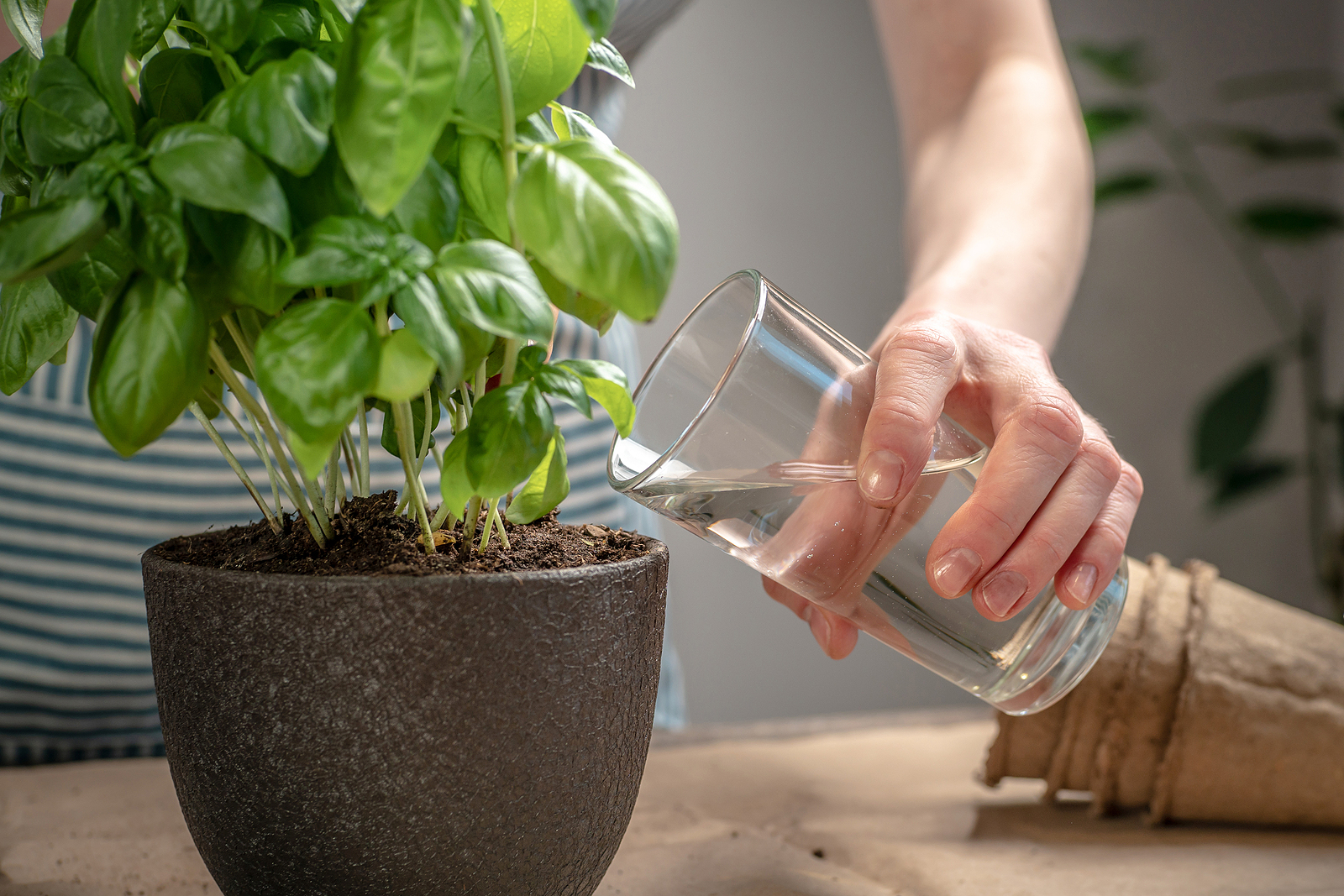
💧 How Often to Water Container Vegetables (A Simple Guide for Consistent Growth)

🌱 Why watering is the most common point of failure
If container vegetables struggle, watering is almost always part of the problem—but not always in the way gardeners expect.
In my experience growing vegetables year-round in containers and raised beds in Sonoma Valley, it’s rarely a question of watering too little or too much in isolation. The real issue is inconsistency—cycles of wet and dry that stress plants and disrupt growth.
Containers don’t have the buffering capacity of in-ground soil. Moisture levels change quickly, especially in warm weather, and plants respond just as quickly.
Once watering becomes consistent, most other problems—yellowing leaves, slow growth, poor fruiting—begin to correct themselves.
🪴 Quick answer: how often should you water?
There’s no fixed schedule, but a reliable approach looks like this:
- water when the top 1–2 inches of soil feel dry
- water deeply until excess drains from the bottom
- check daily in warm weather
The goal is even moisture—not constantly wet soil and not repeated drying out.
(If your soil dries too quickly or stays soggy, the issue may be structure—see Best Potting Soil Mix for Container Vegetables for how to create a balanced mix.)
🌿 1. Water deeply, not lightly
Shallow watering is one of the most common mistakes in container gardening.
Light watering only wets the surface, leaving deeper roots dry. This encourages shallow root growth and makes plants more vulnerable to heat and drought stress.
In my own garden, I water thoroughly so moisture reaches the entire root zone. You’ll know you’ve watered enough when water begins to drain from the bottom of the container.
This approach promotes deeper, stronger roots and more resilient plants.
🌡️ 2. Adjust watering to weather conditions
Water needs change constantly with the weather.
- Cool or mild conditions → slower evaporation, less frequent watering
- Hot or windy conditions → rapid drying, more frequent watering
In Sonoma Valley summers, I often check containers daily—and sometimes water twice during heat waves, especially for smaller pots.
The key is observation. Containers don’t follow a calendar; they respond to conditions.
🧱 3. Understand how container size affects watering
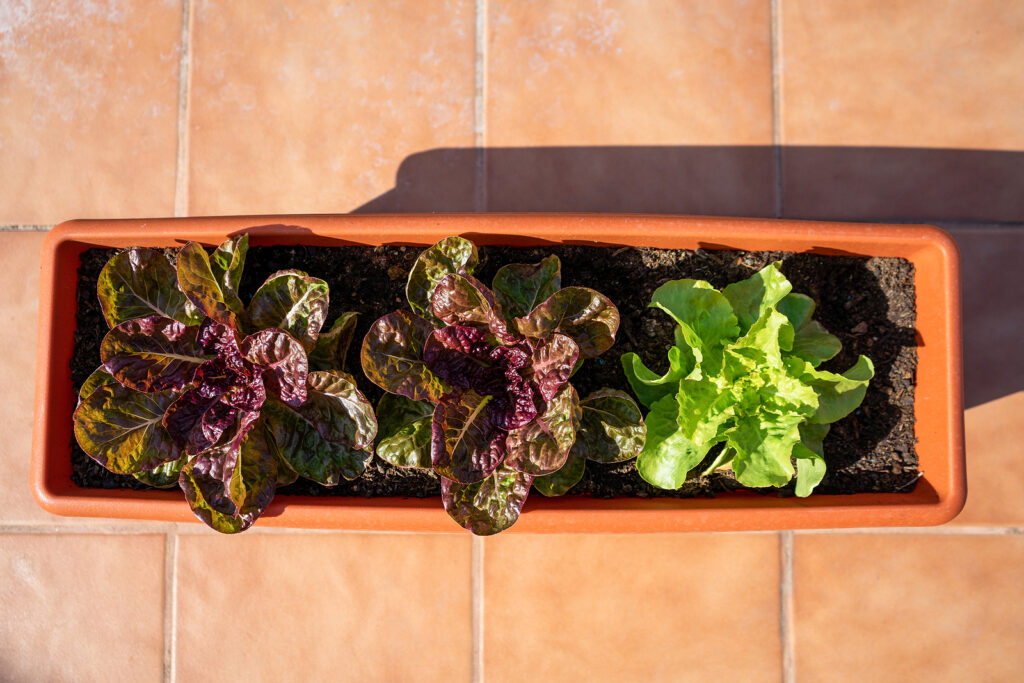
Container size directly impacts how often you need to water.
- Small containers dry out quickly and may need daily watering
- Large containers hold moisture longer and are more forgiving
Over time, I’ve moved toward larger containers for most crops. Not only do they support better root growth, but they also stabilize moisture, making watering easier and more consistent.
If you’re constantly chasing moisture levels, container size is often part of the issue.
Before planting, review Container Sizes for Growing Vegetables and Calculating Soil Requirements for Different Container Sizes to avoid common setup mistakes.
🌿 4. Watch for signs of overwatering
Overwatering is not about how often you water—it’s about how long the soil stays wet.
Signs include:
- wilting despite moist soil
- yellowing leaves
- slow or stunted growth
In these cases, roots may be lacking oxygen.
What I’ve found over the years is that overwatering is often really a soil structure problem. If the mix doesn’t drain well, even careful watering can lead to saturated conditions.
🌱 5. Recognize underwatering before it becomes stress
Underwatering shows up more visibly, but it can still be misleading.
Signs include:
- drooping or wilting plants
- dry, pulling-away soil
- slowed growth
While plants often recover quickly after watering, repeated dry cycles create stress that reduces overall productivity.
Consistent moisture—not occasional rescue watering—is what keeps plants performing well.
🍅 6. Keep watering consistent during flowering and fruiting
Water consistency becomes even more important once plants begin producing.
Fluctuations in moisture can lead to:
- blossom drop
- poor fruit set
- uneven growth
For crops like tomatoes and peppers, I’ve found that steady watering during flowering makes a noticeable difference in yield and quality.
(If plants are growing but not producing, it’s often a combination of watering and feeding—see Container Garden Fertilizer Schedule for how the two work together.)
🌡️ 7. Water early in the day when possible
Timing matters.
Watering early allows plants to absorb moisture before the heat of the day and reduces evaporation loss. It also helps foliage dry more quickly, which can limit disease issues.
While it’s sometimes necessary to water later in extreme heat, morning watering remains the most effective routine.
🪴 8. Recheck soil moisture—not just the surface
Surface soil can be misleading.
It may appear dry while deeper soil remains moist—or vice versa. That’s why it’s important to check below the surface, either with your finger or a moisture meter.
In practice, I rely on feel. After a while, you develop a sense of when a container needs water.
🔧 Troubleshooting: problem → cause → adjustment
When watering issues arise, simplify:
- Wilting with wet soil → poor drainage → improve soil structure
- Dry soil daily → small container → increase size or frequency
- Yellow leaves + slow growth → overwatering or poor aeration
- Blossom drop → inconsistent moisture → stabilize watering
If multiple issues appear together, it’s often part of a larger system problem.
(For a broader look at how these issues connect, see Why Container Vegetables Fail.)
🌿 Advanced observations from experience
After years of container growing, a few patterns are clear:
- watering problems are rarely isolated—they connect to soil and feeding
- plants respond best to steady conditions, not extremes
- consistency is more important than precision
Once moisture levels stabilize, plants become easier to manage—and more productive.
❓ FAQ
Should I water every day?
Sometimes—but only if conditions require it. Always check soil first.
Is it better to water in the morning or evening?
Morning is best, but consistency matters more than timing.
How do I know if I’m overwatering?
If plants wilt while soil is still moist, roots may lack oxygen.
Can I fix watering problems without repotting?
Sometimes—but if drainage is poor, improving soil structure is often necessary.
🌱 What to do next
If your container plants are inconsistent—growing well one week and struggling the next—watering is the first place to stabilize your system.
Focus on:
- deep, thorough watering
- checking soil regularly
- adjusting to weather conditions
In my experience, once watering becomes consistent, plants recover quickly and growth becomes more predictable.
From there, the next step is to make sure your soil mix supports even moisture and your fertilizing routine keeps nutrients steady. When all three systems work together, container gardening becomes far more reliable—and far more productive.