Why Rutabaga Roots Turn Woody or Bitter—and How to Prevent It

Rutabaga is naturally sweet and tender when grown under consistent cool-season conditions, but roots can become woody or bitter due to stress, poor soil, or inconsistent care. After more than 30 years growing rutabaga in Sonoma Valley, I’ve pinpointed the most common causes and preventative measures that consistently produce smooth, sweet roots.
🥕 Common Causes of Woody or Bitter Rutabaga Roots
1. Crowded Spacing
- Roots forced to compete for nutrients and moisture become small, tough, or elongated.
- My experience: Thinning seedlings to 6–8 inches apart ensures uniform, tender root development.
2. Inconsistent Moisture
- Fluctuating wet-dry cycles cause roots to split and develop woody textures.
- My solution: Deep, regular watering during root expansion, plus a 2–3 inch layer of mulch to retain moisture.
3. Excess Nitrogen
- Overfeeding with high-nitrogen fertilizer promotes leafy tops at the expense of root sweetness.
- I use light compost at planting and a mild balanced fertilizer midseason only.
4. Overmature Roots
- Leaving rutabaga too long in the ground, especially after first hard frost, can produce fibrous, bitter roots.
- I harvest when roots reach 3–5 inches diameter, leaving larger roots only if soil is consistently cool and moist.
5. Heat or Sudden Warm Spells
- Rutabaga grown in late-season heat can bolt or develop strong flavors.
- My experience: Planting mid-to-late summer and using shade cloth during warm autumns prevents stress-induced bitterness.
🌱 How to Prevent Woody or Bitter Rutabaga Roots
1. Proper Spacing
- Thin seedlings early: 6–8 inches apart.
- Maintain uniform spacing in rows 12–18 inches apart.
2. Consistent Watering
- Deeply water once or twice weekly in raised beds.
- Mulch with straw or shredded leaves to stabilize soil moisture.
3. Balanced Feeding
- Use light compost at planting.
- Avoid high-nitrogen fertilizers.
- Apply low-N organic fertilizer midseason if needed.
4. Timing and Harvest
- Sow for a 90–100 day fall/winter cycle.
- Harvest at optimal root size.
- Avoid leaving roots in overly warm or fluctuating conditions.
5. Pest and Stress Prevention
- Cover young plants with floating row cover to prevent flea beetle damage.
- Keep weeds down to reduce competition.
- Avoid soil compaction; loosen soil before planting.
✅ My Proven Routine
- Sow mid-late summer in well-prepared raised beds.
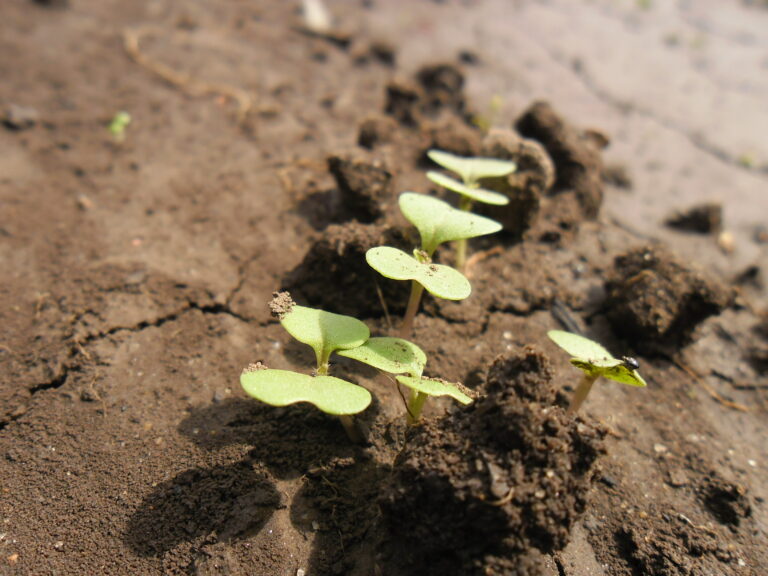
- Thin to 6–8 inches after first true leaves.
- Mulch and water consistently.
- Monitor soil nutrients lightly; feed only if needed.
- Harvest at 3–5 inches for tender, sweet roots.
Following these steps, my rutabaga roots stay smooth, sweet, and woody-free even in variable Sonoma Valley fall weather.
Rutabaga Learning Hub
Start here: How to Plant, Grow, and Harvest Rutabaga: A Complete Guide
Planting, Timing & Setup
- When to Plant Rutabaga for Fall and Winter Harvests
- Where Rutabaga Grows Best: Soil, Sun, and Bed Preparation
- Rutabaga Seed Starting Tips
- Rutabaga Spacing Guide: Row Layout, Thinning, and Root Development
- How to Grow Rutabaga in Raised Beds
- Growing Rutabaga in Containers: Pot Size, Soil Mix, and Yield Tips
Care, Water & Feeding
- How to Water and Feed Rutabaga at Every Growth Stage
- Rutabaga Care Guide: Mulching, Weeding, and Root Protection
Companions & Intercropping
- Best Companion Plants for Rutabaga (and What to Avoid)
- How to Interplant Rutabaga with Carrots, Turnips, and Brassicas
Pests, Diseases & Troubleshooting
- Rutabaga Pests and Diseases and How to Control Them Naturally
- Why Rutabaga Roots Turn Woody or Bitter—and How to Prevent It
Harvest, Storage & Kitchen
- How to Harvest and Store Rutabaga
- How to Preserve Rutabaga: Freezing, Fermenting, and Canning Options
- Seven Ways to Cook and Serve Rutabaga
Varieties & Background