Why Are My Seedlings Leggy? (Causes and Fixes That Work Fast)

Leggy seedlings are one of the most common early-season frustrations. You start seeds with care—and within days, they stretch into thin, pale stems that flop over.
I’ve dealt with this many times over the years, especially when starting seeds indoors during cool, low-light periods. The good news: leggy seedlings are preventable—and often fixable if you act quickly.
A complete guide to starting vegetables from seed, based on 30+ years of hands-on gardening experience available at the Seed Starting and Propagation Learning Hub.
What Are Leggy Seedlings?
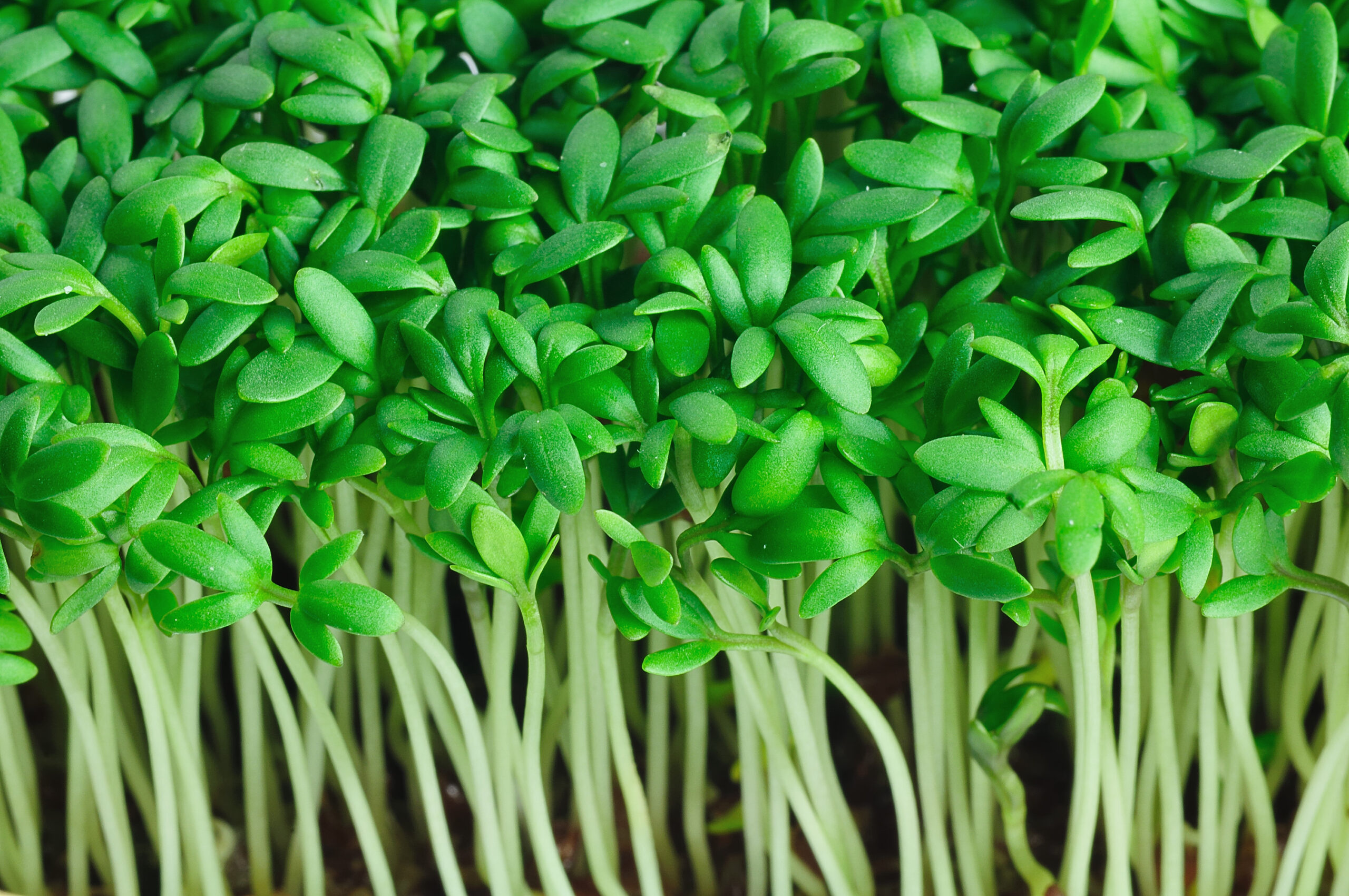
Leggy seedlings are young plants that grow tall, thin, and weak, often leaning or collapsing.
Common signs:
- Long, stretched stems
- Pale or light green leaves
- Seedlings falling over
- Wide spacing between leaves
This happens because the plant is stretching toward light faster than it can build strong tissue.
The 5 Most Common Causes of Leggy Seedlings
1. Not Enough Light (Most Common Cause)
Seedlings need strong, direct light immediately after germination.
From my experience, a bright window is often not enough—especially in late winter and early spring when daylight is limited.
What happens:
- Plants stretch toward available light
- Stems elongate rapidly
- Growth becomes weak and unstable
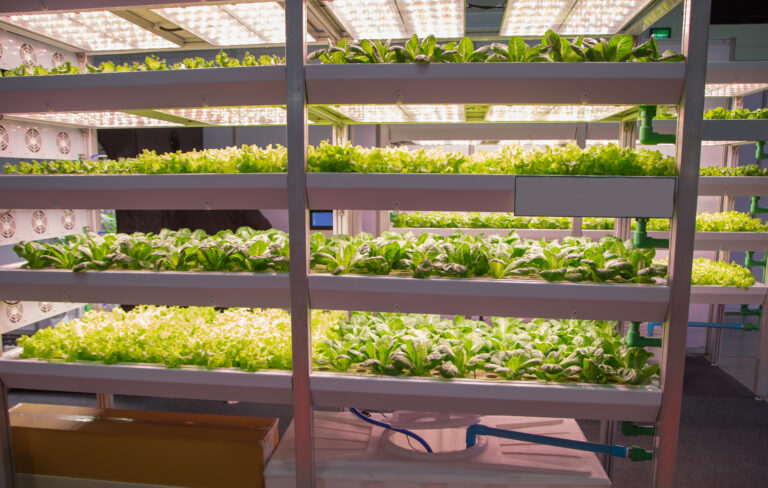
👉 If you’re starting seeds indoors, a basic LED grow light setup makes a dramatic difference. Even a simple shop light-style fixture positioned close to seedlings works well.
2. Light Is Too Far Away
Even with grow lights, distance matters.
If lights are more than a few inches above seedlings, they will stretch.
What works:
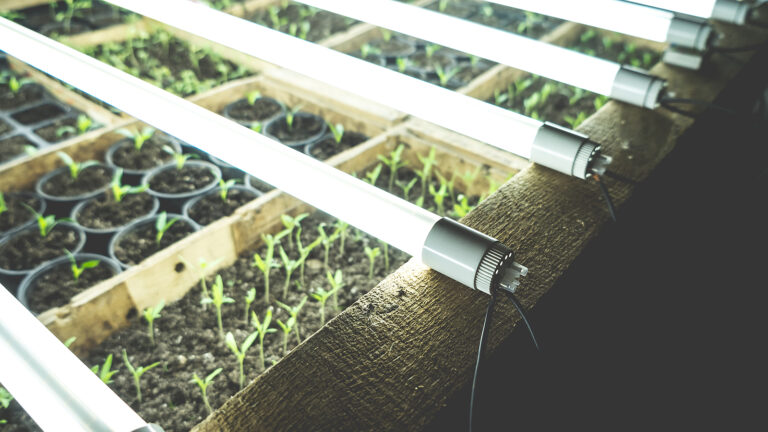
- Keep lights 2 to 3 inches above seedlings
- Adjust daily as plants grow
👉 Adjustable grow light stands or chain-hung shop lights make it easy to keep lights at the correct height.
3. Temperatures Are Too Warm
Warm temperatures encourage fast growth—but without enough light, that growth becomes weak.
I’ve found that lowering temperatures slightly after germination makes a big difference.
Ideal range:
- 60–65°F after sprouting
👉 If you’re using a heat mat for germination, remove it as soon as seeds sprout—this alone can prevent legginess.
4. Overcrowding
When seedlings are too close together, they compete for light.
This leads to:
- Stretching
- Weak stems
- Poor airflow
👉 Seed starting trays with proper cell spacing help reduce crowding and make thinning easier.
5. Too Much Fertilizer Too Early
This is a common mistake.
Feeding seedlings before they’re established encourages rapid, weak growth.
👉 A light, well-draining seed-starting mix provides everything seedlings need early on—no fertilizer required at first.
How to Fix Leggy Seedlings (Step-by-Step)
If you catch legginess early, you can often correct it.
Step 1: Increase Light Immediately
- Move seedlings to the brightest location possible
- Use grow lights if natural light is insufficient
- Provide 12–16 hours of light daily
👉 Full-spectrum LED grow lights designed for seedlings provide consistent, reliable light compared to window light.
Step 2: Lower the Light Source
- Keep lights just above the seedlings
- Adjust height daily
👉 Clip-on or adjustable grow lights make this quick and easy without disturbing plants.
Step 3: Reduce Temperature Slightly
- Move seedlings to a cooler room
- Avoid heat mats after germination
Step 4: Improve Air Movement
- Gently brush seedlings with your hand daily
- Or use a small fan on low
👉 A small tabletop fan improves stem strength and helps prevent fungal issues at the same time.
Step 5: Transplant Deep (For Some Crops)
Tomatoes are especially forgiving.
- Bury stems deeper when transplanting
- New roots will form along the buried stem
Step 6: Thin Seedlings
- Remove weaker plants
- Give remaining seedlings space to grow strong
My Simple Indoor Seed Starting Setup (What I Use)
Over the years, I’ve simplified my setup to just a few essentials that consistently produce strong, compact seedlings:
- LED grow lights positioned close to plants
- Standard seed trays with drainage
- Lightweight seed-starting mix
- A small fan for airflow
- A simple timer for consistent light cycles
👉 You don’t need anything complicated—just consistent light, good spacing, and basic airflow.
Grow Lights vs Window Light (What Actually Works)
From experience, this is where most seed-starting problems begin.
Window light:
- Works only in very bright, south-facing exposures
- Inconsistent in early spring
- Often leads to legginess
Grow lights:
- Provide consistent intensity
- Can be positioned close to plants
- Produce compact, sturdy growth
👉 If you plan to start seeds every year, investing in a simple grow light setup pays off quickly in healthier plants.
Can Leggy Seedlings Be Saved?
Sometimes.
- Slightly leggy seedlings usually recover
- Severely stretched seedlings often struggle long-term
From experience, it’s often faster and more productive to restart fast-growing crops like lettuce or brassicas if legginess is severe.
How to Prevent Leggy Seedlings
Prevention is simple once you know what to watch for.
Start with Strong Light
Use grow lights early—don’t wait for problems.
Match Temperature to Light
Cooler temperatures slow weak growth.
Don’t Rush Fertilizer
Wait until seedlings have true leaves.
Give Plants Space
Proper spacing reduces competition and improves airflow.
My Experience
Gardening year-round in Sonoma Valley, I’ve learned that light is the limiting factor in early spring—not temperature.
Early on, I relied on windowsills and consistently got leggy seedlings. Once I switched to close-positioned grow lights and cooler post-germination temperatures, the problem largely disappeared.
These days, I also direct sow many cool-season crops—like lettuce, kale, and arugula—right into my raised beds to avoid the issue entirely.
Quick Troubleshooting Checklist
- Are seedlings getting 12–16 hours of strong light?
- Are lights close enough (2–3 inches)?
- Is temperature too warm?
- Are seedlings overcrowded?
- Did you fertilize too early?
Read more about leggy seedlings at Troubleshooting Seed Starting Problems: Leggy Seedlings, Damping Off, Weak Growth, and More.
Frequently Asked Questions
Why are my seedlings tall and falling over?
They’re not getting enough light or the light is too far away.
Will leggy seedlings recover?
Yes—if corrected early. Deep planting helps some crops like tomatoes.
Should I fertilize leggy seedlings?
No. Fertilizer can make the problem worse at this stage.
Can I fix legginess without grow lights?
Sometimes—but it’s difficult. A very bright, south-facing window may work, but grow lights are more reliable.
Which plants tolerate legginess best?
Tomatoes recover well. Most others—like lettuce and broccoli—do not.
The Bottom Line
Leggy seedlings are almost always caused by insufficient light combined with warm conditions.
Fix the light, adjust the temperature, and act quickly—you can still grow strong, productive plants.