When to Harvest Summer Squash for Maximum Production

Summer squash is one of the most generous vegetables in the garden. A few healthy plants can provide more zucchini, yellow squash, or pattypan squash than most families can eat. But the secret to keeping those harvests coming isn’t simply growing healthy plants—it’s harvesting them at the right time.
Many gardeners wait until squash become large, only to discover they are less tender and that production has slowed. Harvesting summer squash while the fruit is young encourages the plant to continue producing flowers and new squash throughout the growing season.
After decades of growing summer squash in my home gardens and market garden, and gardening in Iowa, eastern Massachusetts, and Northern California, I’ve learned that frequent harvesting is one of the simplest ways to increase yields. In my market garden, zucchini and yellow squash were harvested nearly every morning because customers preferred small, tender fruit, and the plants rewarded that attention with weeks of continued production.
If your goal is bigger harvests rather than bigger squash, timing your harvest makes all the difference.
Know What to Plant This Week
Every week I answer the gardener's most important question: what should I plant now? Get seasonal planting advice free — or go Pro for my full Soil Temperature Garden Report, with soil temperature, moisture, weather trends, and crop-by-crop recommendations.
Why Harvest Timing Matters
Summer squash plants are programmed to produce seeds.
When fruit remains on the plant until seeds mature, the plant assumes its reproductive work is nearly complete. As a result, it slows the production of new flowers and fruit.
Harvesting squash before seeds fully develop tells the plant to continue flowering.
Regular harvesting encourages:
- More female flowers
- More fruit
- Longer harvests
- Better fruit quality
- Healthier plants
The more often you harvest, the more productive the plant usually becomes.
When to Harvest Different Types of Summer Squash
Each type of summer squash has its ideal harvest size.
Zucchini
Harvest when fruit reaches:
- 6 to 8 inches long
- About 1½ to 2 inches in diameter
Smaller zucchini are tender, flavorful, and have undeveloped seeds.
Yellow Straightneck and Crookneck Squash
Harvest when fruit is:
- 4 to 7 inches long
Young yellow squash have thin skin and excellent flavor.
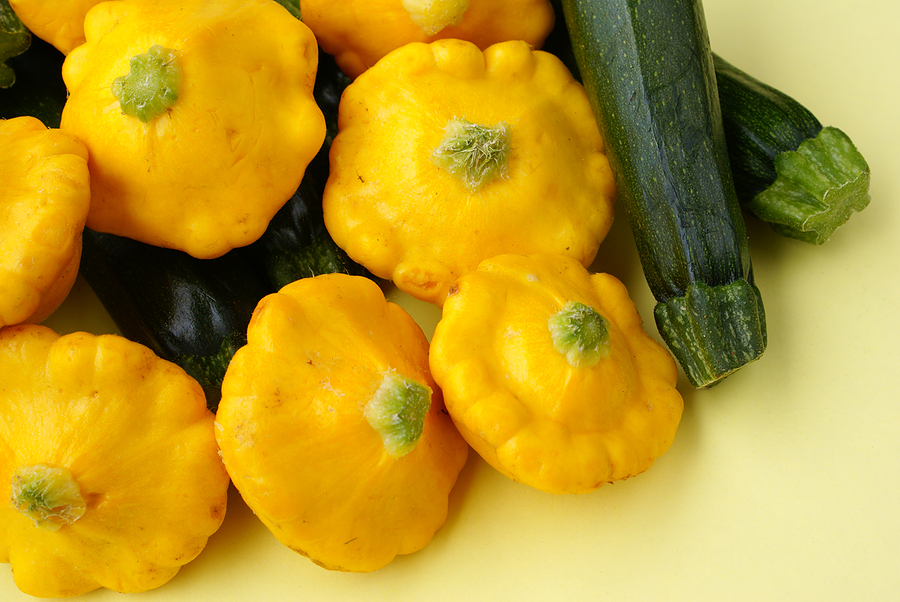
Pattypan Squash
Harvest when fruit measures:
- 2 to 4 inches across
Small pattypan squash are especially tender and require little preparation.
Always check the expected mature size of the variety you are growing, but remember that smaller fruit usually offers the best eating quality.
Harvest Summer Squash Every Day or Two
Summer squash can grow astonishingly fast during warm weather.
A zucchini that measures six inches today may be ten inches long two days later.
During peak production:
- Check plants every day.
- Harvest every one to two days.
- Remove mature fruit promptly.
In my California garden, warm summer temperatures often meant daily harvesting was necessary to keep zucchini from becoming oversized overnight.
Signs Summer Squash Is Ready to Harvest
Harvest fruit when it is:
- Firm
- Brightly colored
- Glossy
- Tender
- Proper size for the variety
Avoid waiting until fruit:
- Develops dull skin
- Feels hard
- Contains large seeds
- Becomes oversized
Tender squash always has the best texture and flavor.
Why Large Squash Reduce Future Production
Leaving oversized squash on the plant has consequences.
Large fruit compete with developing squash for:
- Water
- Nutrients
- Plant energy
More importantly, mature fruit signal the plant to slow flower production.
One forgotten zucchini can noticeably reduce the number of new squash produced.
Harvest in the Morning
The best time to harvest summer squash is early morning.
Morning-harvested squash is:
- Crisp
- Well hydrated
- Cooler
- Easier to store
Plants are also less stressed during the cooler part of the day.
This has always been my preferred harvest time, both in my market garden and home garden.
Use Pruners Instead of Pulling Fruit
Never twist or pull squash from the plant.
Instead:
- Use clean pruners or a sharp knife.
- Cut the stem just above the fruit.
- Support the fruit while cutting.
Pulling can damage stems and break nearby flowers that will become future squash.
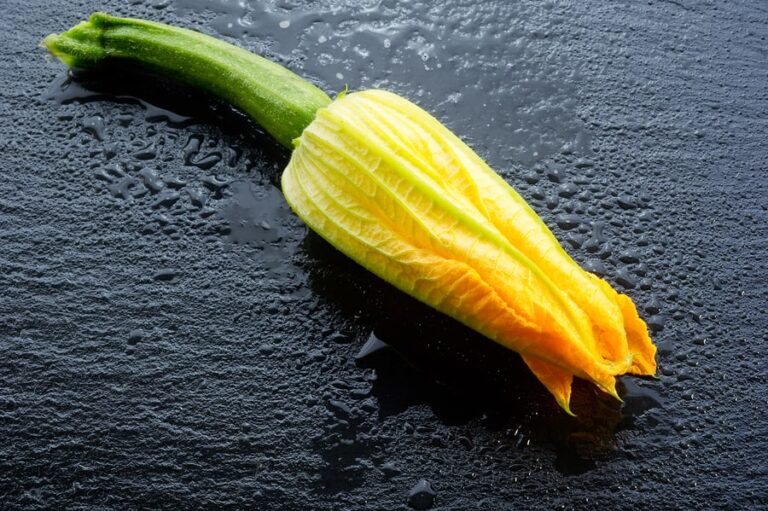
Keep Harvesting Male Flowers
Male squash flowers appear before female flowers and continue throughout the season.
Male flowers:
- Have thin stems.
- Do not produce fruit.
You can harvest some male flowers for cooking without reducing squash production, provided enough remain for pollination.
Avoid removing female flowers, which have the small developing squash behind the blossom.
Continue Watering During Heavy Production
Heavy-producing squash plants need consistent moisture.
Water stress can cause:
- Smaller harvests
- Blossom drop
- Bitter fruit
- Misshapen squash
Maintain steady soil moisture by:
- Watering deeply
- Applying mulch
- Avoiding repeated drought cycles
Healthy roots support continuous flowering.
Feed Plants as Harvest Continues
Summer squash are heavy feeders.
As production continues:
- Side-dress with compost.
- Apply a balanced fertilizer if needed.
- Avoid excessive nitrogen.
Too much nitrogen encourages leaves instead of fruit.
Balanced nutrition supports continued flowering and harvests.
Remove Overgrown and Damaged Fruit
Do not leave poor-quality squash on the plant.
Remove fruit that is:
- Oversized
- Damaged
- Diseased
- Insect injured
This allows the plant to direct energy toward producing healthy new squash.
Growing Summer Squash in Different Climates
Growing squash in Iowa, Massachusetts, and California taught me that harvest frequency changes with the weather.
Warm, humid summers in Iowa produced rapid growth that required daily harvesting. Massachusetts offered a shorter but productive season when harvests were timely. Northern California’s long growing season allowed squash to remain productive for months with consistent irrigation and regular picking.
Regardless of climate, frequent harvesting always resulted in larger total yields.
My Home Garden and Market Garden Experience
Summer squash was one of the busiest harvest crops in my market garden.
During peak season, I walked the rows nearly every morning because zucchini seemed to double in size overnight. Customers wanted small, tender squash, and harvesting them regularly kept the plants producing new flowers week after week.
In my home garden, the lesson has been exactly the same. A gardener who checks squash plants every day is rewarded with higher-quality vegetables and a much longer harvest season.
The biggest harvests come from harvesting often—not from waiting for giant squash.
Frequently Asked Questions
When should I harvest summer squash?
Harvest summer squash while it is young and tender, usually every one to two days during peak production.
How big should zucchini be before harvesting?
Most zucchini taste best when they are 6 to 8 inches long, though this varies slightly by variety.
Will harvesting squash often produce more squash?
Yes. Frequent harvesting encourages plants to continue flowering and producing new fruit.
What happens if I leave zucchini on the plant too long?
Oversized zucchini develop large seeds and signal the plant to slow future production.
What is the best time of day to harvest summer squash?
Early morning is ideal because fruit is crisp, well hydrated, and easier to store.
Should I cut or twist squash off the plant?
Use clean pruners or a knife. Pulling or twisting can damage stems and nearby flowers.
Can I eat oversized zucchini?
Yes, but they often have tougher skin, larger seeds, and a coarser texture. They are best used in baking, soups, or stuffed recipes.
How long will summer squash keep producing?
Healthy plants can continue producing for many weeks if harvested frequently and provided with consistent water and nutrients.
The Bottom Line
Harvesting summer squash at the right time is one of the easiest ways to increase your total harvest.
Pick fruit while it is young, tender, and properly sized, and your plants will continue producing flowers and fresh squash throughout the growing season.
After decades of growing summer squash in home gardens and market gardens, I’ve learned that the most productive gardeners are the ones who harvest often. A daily walk through the garden with a basket in hand is one of the best investments you can make in a longer, more abundant squash season.