The Year-Round Container Gardening Calendar: What to Plant and Do Each Season

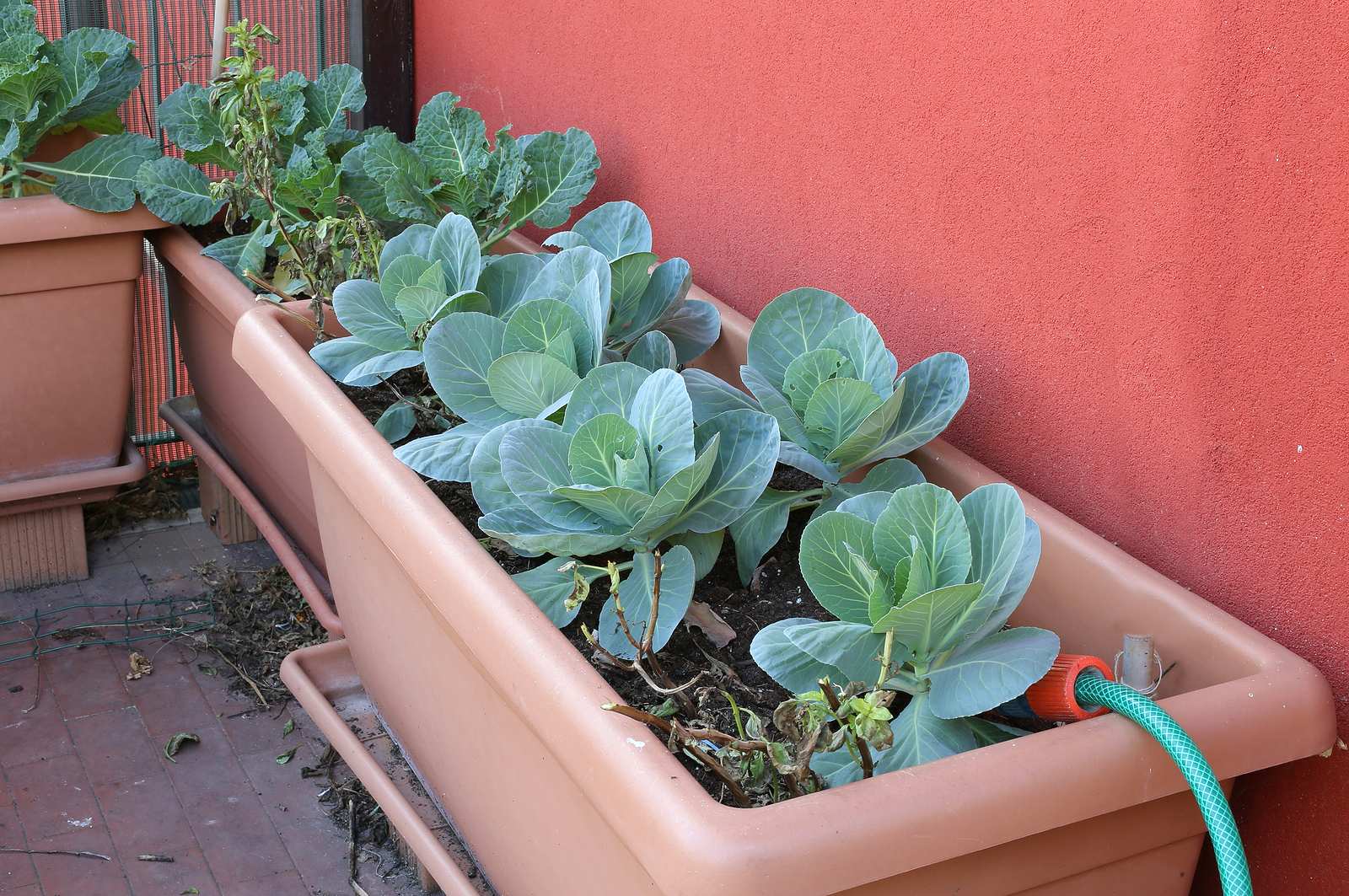
Container gardening changes with the seasons even more dramatically than in-ground gardening. Pots and raised containers warm faster, cool faster, dry faster, and respond immediately to shifts in weather.
That creates both advantages and challenges throughout the year.
In spring, containers can warm early and jumpstart cool-season crops. In summer, they may overheat and dry rapidly. In fall, they often remain productive longer than in-ground beds because soil stays warmer. In winter, containers can become vulnerable to repeated freezing and moisture swings.
Over the years, I’ve learned that successful container gardening depends less on following a fixed schedule and more on understanding how containers respond to temperature, sunlight, wind, and moisture during each season.
Know What to Plant This Week
Every week I answer the gardener's most important question: what should I plant now? Get seasonal planting advice free — or go Pro for my full Soil Temperature Garden Report, with soil temperature, moisture, weather trends, and crop-by-crop recommendations.
Here’s a practical season-by-season guide to what to plant and what to do in container gardens throughout the year.
Winter Container Gardening (December–January)
What to Plant
In mild winter climates:
- lettuce
- spinach
- arugula
- kale
- Asian greens
- cilantro
- parsley
- green onions
In cold climates:
- focus on protection and overwintering rather than active planting
What to Do
- Protect pots from repeated freezing and thawing
- Reduce watering frequency
- Keep containers from becoming waterlogged
- Remove dead foliage and debris
- Add compost to refresh potting mix
- Move containers into protected microclimates when possible
Key Insight
Winter container soil stays wetter longer because evaporation slows dramatically.
My Experience
Winter losses in containers usually come more from excess moisture and root damage than from cold alone.
Late Winter to Early Spring (February–March)
What to Plant
- peas
- lettuce
- spinach
- radishes
- carrots
- beets
- chard
- cilantro
- dill
- parsley
What to Do
- Begin monitoring soil moisture more frequently
- Refresh potting mix with compost
- Start succession sowing cool-season crops
- Rotate containers for even light exposure
- Protect seedlings during cold nights
Key Insight
Containers warm faster than garden beds, allowing earlier planting opportunities.
My Experience
This is often the best season for container greens because temperatures stay cool enough for steady growth without heat stress.
Mid to Late Spring (April–May)
What to Plant
Cool-season crops:
- lettuce
- spinach
- herbs
- carrots
- beets
Warm-season crops after stable warmth:
- tomatoes
- peppers
- cucumbers
- bush beans
- basil
- eggplant
What to Do
- Watch for rapid moisture swings
- Harden off warm-season transplants gradually
- Begin regular feeding schedules
- Protect tender crops from sudden cold snaps
- Mulch container surfaces to slow evaporation
Key Insight
Containers amplify spring temperature swings more than in-ground soil.
Warm spells create rapid growth and fast drying. Cold reversals can suddenly stall roots and increase stress.
Container Gardening Reality Check
Warm-season container crops should often be staged gradually instead of fully exposed immediately.
My Experience
I rarely rush tomatoes into full spring exposure. Containers respond so quickly to temperature shifts that protection during unstable weather often makes the difference between steady growth and transplant shock.
Summer Container Gardening (June–August)
What to Plant
- tomatoes
- peppers
- cucumbers
- eggplant
- basil
- beans
- summer squash
- heat-tolerant herbs
For succession:
- lettuce in partial shade
- basil
- bush beans
What to Do
- Water deeply and consistently
- Check moisture daily during heat waves
- Mulch container surfaces
- Feed regularly with diluted organic fertilizer
- Provide afternoon shade during extreme heat
- Watch for nutrient depletion in fast-growing crops
Key Insight
Summer container gardening is primarily about moisture and root temperature management.
My Experience
During heat waves, some containers may need watering twice daily—especially fabric pots, hanging baskets, and small containers exposed to wind.
Early Fall Container Gardening (September–October)
What to Plant
- lettuce
- spinach
- arugula
- kale
- mustard greens
- radishes
- carrots
- cilantro
- parsley
- green onions
What to Do
- Remove declining summer crops
- Refresh containers with compost
- Replant immediately while soil remains warm
- Continue feeding lightly
- Reduce watering gradually as temperatures cool
Key Insight
Warm soil and cooler air create excellent growing conditions for fall container crops.
My Experience
Fall is often the easiest and most productive container gardening season because moisture stress declines while soil warmth remains high.
Late Fall Container Gardening (November)
What to Plant
In mild climates:
- garlic
- spinach
- fava beans
- overwintering onions
- hardy greens
What to Do
- Prepare frost protection
- Reduce feeding
- Clean and sanitize empty containers
- Move sensitive herbs indoors if desired
- Protect exposed pots from winter storms
Key Insight
Container soil temperatures decline faster than in-ground beds once nights become consistently cold.
Container Gardening Principles for Every Season
1. Moisture Stability Is Everything
Containers can swing from dry to saturated very quickly.
Check soil regularly below the surface—not just on top.
2. Root Temperature Matters
Roots in containers experience far greater temperature fluctuation than roots in the ground.
Protect pots from:
- overheating
- freezing
- cold wind
- reflected heat
3. Feed Lightly but Consistently
Frequent watering leaches nutrients quickly from containers.
Gentle, regular feeding works better than heavy applications.
4. Use Microclimates
Move containers strategically:
- morning sun
- afternoon shade
- protected walls
- sheltered patios
- reflective heat zones
One of the biggest advantages of container gardening is mobility.
Bottom Line
Container gardening is less about following a rigid calendar and more about responding to changing conditions.
Because containers react quickly to weather, successful gardeners learn to make small, steady adjustments throughout the year:
- adjust watering
- protect roots
- rotate crops
- manage temperature
- feed lightly
- observe daily
With that approach, containers can remain productive through nearly every season of the year.