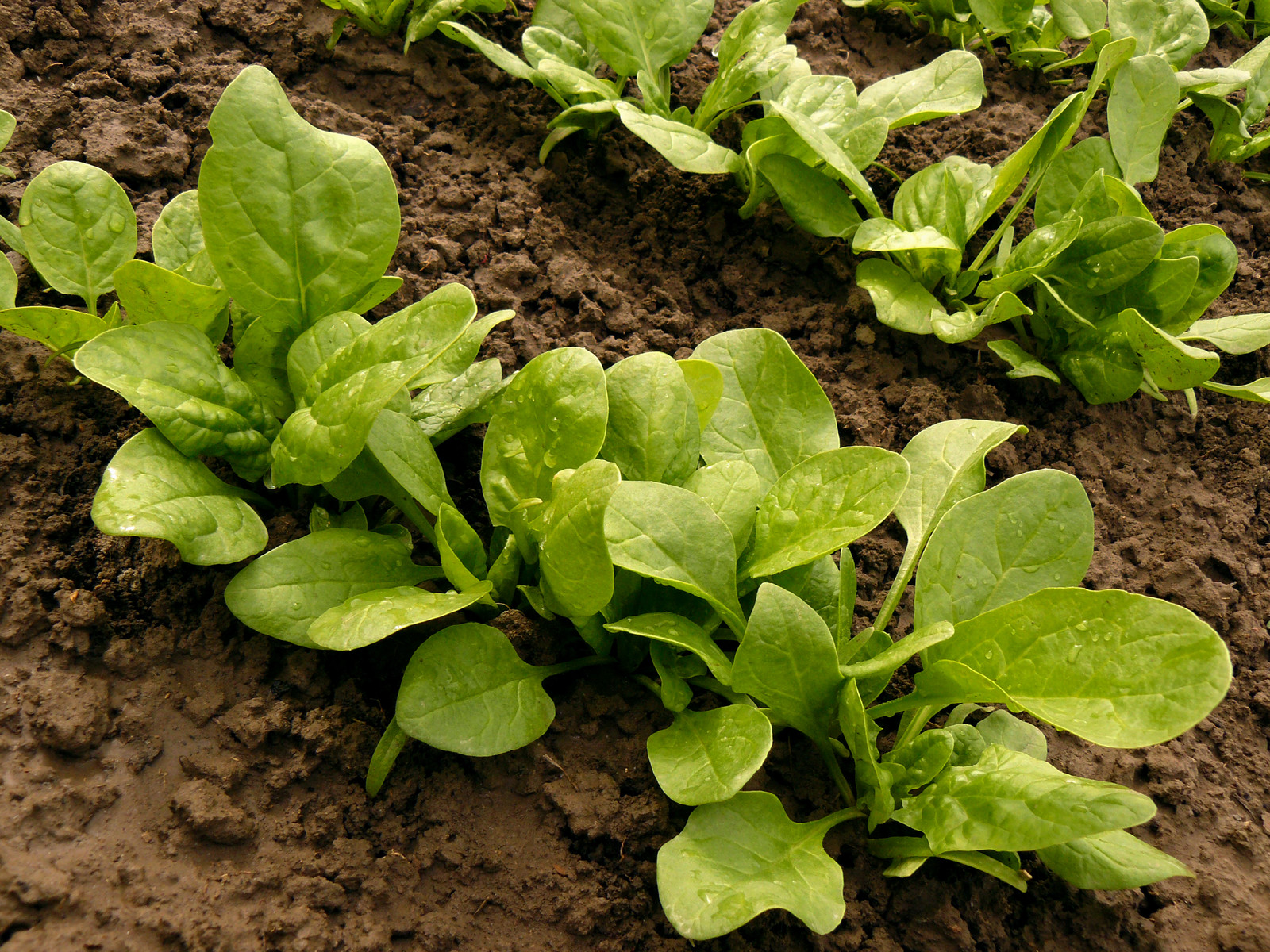
Succession Planting Spinach for a Continuous Harvest

Succession planting is one of the best ways to keep spinach on your table from early spring through winter. After more than three decades of growing spinach in my raised beds and mounded rows, I’ve learned that staggered sowings—not just one big planting—ensure tender, flavorful leaves for months instead of weeks.
Why Succession Planting Works
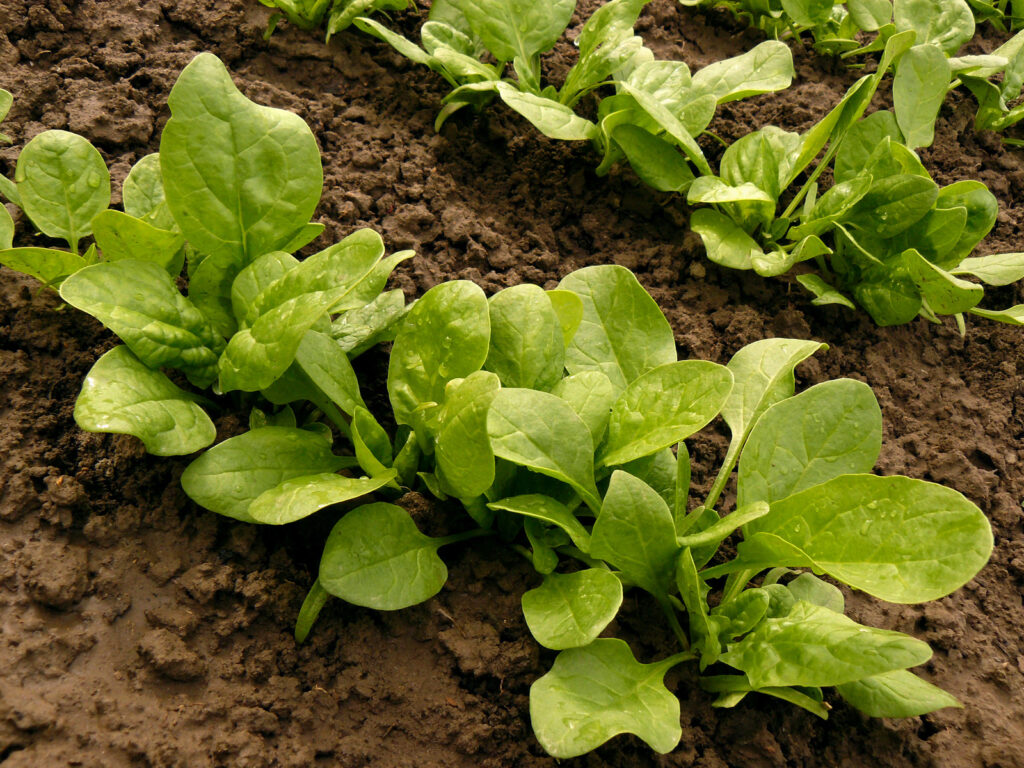
Spinach grows quickly, often maturing in 35–50 days, but it also bolts quickly in warm weather. By planting new rows every 10–14 days, you always have young plants coming up as older ones finish. This method avoids gaps in your harvest.
My Proven Succession Planting Schedule
- Spring: Start sowing as soon as the soil is workable (about 45°F). Plant every 10–12 days until warm weather approaches.
- Fall: Begin sowing again in late summer. Continue every 10–14 days until your first hard frost.
- Winter (mild climates or under cover): Sow in late fall and again in midwinter for an early spring harvest.
For example, in my Zone 9b garden, I sow my first spinach in early February, then every two weeks until late March. In late August, I start again and plant through mid-November under row cover.
Choosing the Right Varieties for Each Planting
- Early spring & fall: ‘Bloomsdale Long Standing’ for flavor.
- Summer edges (cooler microclimates): ‘Tyee’ for bolt resistance.
- Winter: ‘Giant Winter’ for cold hardiness.
Matching the variety to the season keeps your crop productive and reduces losses.
Tips for Managing Multiple Successions
- Prepare extra garden space or use containers to avoid crowding.
- Keep soil consistently moist for germination, especially in late summer heat.
- Label plantings with sowing dates to track maturity.
From experience, I’ve found that the key to success is not over-planting at once—your harvest will pile up and go to waste. By pacing sowings, you keep your harvest in step with your kitchen needs.
Spinach Succession Planting Calendar
| Season | USDA Zones | Planting Frequency | First Planting | Last Planting | Notes & Tips |
|---|---|---|---|---|---|
| Spring | Zones 3–6 | Every 10–12 days | 4–6 weeks before last frost | 2 weeks before temps reach 75°F | Use cold-hardy, bolt-resistant varieties early; mulch to keep soil cool. |
| Zones 7–10 | Every 10–12 days | 6–8 weeks before last frost | Stop when daytime temps regularly exceed 75°F | Consider partial shade to extend season. | |
| Fall | Zones 3–6 | Every 10–14 days | 8 weeks before first frost | 2–3 weeks before first frost | Shorter days slow growth—plant slightly thicker. |
| Zones 7–10 | Every 10–14 days | 10–12 weeks before first frost | Until frost arrives | Sweetest flavor comes from cool nights. | |
| Winter (Under Cover) | Zones 6–7 | One planting in late fall; one in midwinter | Late Oct–Early Nov | Late Jan–Early Feb | Cold frames or row covers extend harvest. |
| Zones 8–10 | One planting in late fall; optional in midwinter | Nov–Dec | Feb | Minimal protection needed; avoid heat buildup in covers. |
Quick tip from my garden:
When I succession-plant spinach in late summer, I shade new seedlings with lightweight cloth until they establish—this has cut germination failure by more than half in my Zone 9b beds.
Spinach Growing Hub
🌱 Start here: The Ultimate Spinach Growing Guide: From Seed to Harvest
🌿 Planting & Seasonal Growing
- Spinach Seed Starting Tips
- When to Plant Spinach for Spring, Fall, and Winter Gardens
- Zone-specific planting dates and tips for cool-season success.
- How to Grow Spinach as a Winter Crop: Tips for Cold Hardy Gardening
- Covers frost protection, cold frames, and season extension methods.
- Succession Planting Spinach for a Continuous Harvest
- How to space and time planting for steady fresh leaves.
- Container Growing Spinach: Best Practices for Small Spaces
- Soil, container size, watering, and feeding tips.
- Hot Weather Spinach Alternatives: Best Greens When Spinach Bolts
- List of spinach substitutes like Malabar spinach, New Zealand spinach, and more.
💧 Care & Maintenance
- How to Water Spinach Properly to Prevent Bolting and Leaf Damage
- Avoiding over- and under-watering issues.
- Feeding Spinach for Lush Leaf Growth: Fertilizer and Soil Tips
- Organic and mineral feeding strategies.
🐛 Pests & Diseases
- Common Spinach Pests and Diseases and Natural Control Methods
- Aphids, leaf miners, slugs, and flea beetles.
🧺 Harvest & Storage
- How and When to Harvest Spinach for the Best Flavor and Nutrition
- Cut-and-come-again technique, harvesting baby leaves vs mature.
- How to Harvest and Store and Spinach
- Step-by-step harvest and preservation methods.
🍽️ Spinach in the Kitchen
- Six Ways to Cook and Serve Spinach
- Fresh salads, sautés, smoothies, and more.
🌱 Varieties & Seed Saving
- Best Spinach Varieties to Grow for Flavor, Heat Tolerance, and Quick Growth
- Compare smooth leaf vs savoy vs semi-savoy types.
- How to Plant, Grow, and Harvest New Zealand Spinach
- Grow this warm weather alternative to regular spinach.
- How to Plant, Grow, and Harvest Malabar Spinach
- Here’s another warm weather alternative to regular spinach.