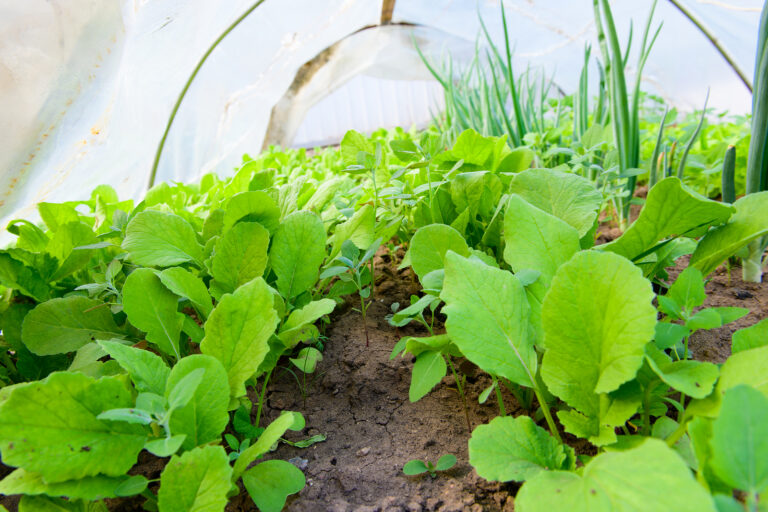
Succession Planting in Winter: How to Stagger Sowing Dates for a Continuous Harvest

Succession planting is a proven strategy for keeping your winter garden productive over the entire cold season. From my experience growing vegetables in Iowa’s Zone 5 winters to year-round gardening in Sonoma, staggering sowing dates allows you to harvest fresh greens, root crops, and salad vegetables consistently, rather than all at once.
Visit the Winter Garden and Season Extension Learning Hub
Here’s how to plan and execute succession planting in your winter garden.
1. What is Succession Planting?
Succession planting is staggering sowing dates for the same crop or compatible crops so that harvests occur over time.
Benefits:
- Extends the harvest season for short-lived crops like lettuce and arugula
- Reduces risk of losing an entire crop to weather or pests
- Keeps your kitchen stocked with fresh produce throughout winter
2. Choosing Crops for Winter Succession
Best crops for winter succession include:
- Leafy greens: Spinach, kale, arugula, lettuce, mache, mustard greens
- Root crops: Carrots, beets, radishes, turnips, rutabaga
- Salad mixes: Mesclun, mixed greens
My Experience:
In Iowa, I sowed spinach and arugula every 2–3 weeks under low tunnels, ensuring harvestable leaves through December and January. In Sonoma, mild winter conditions allow slightly longer intervals between sowings for continuous harvest.
3. Staggering Sowing Dates
- Fast-growing greens (25–40 days): Sow every 2–3 weeks
- Slower-growing greens (50–70 days): Sow every 3–4 weeks
- Root crops (60–90 days): Sow every 4 weeks, depending on frost protection
Tip:
Plan your sowing schedule according to your local first and last frost dates, or the protection your tunnels, cold frames, or row covers provide.
4. Using Protection to Extend Succession
- Low tunnels or row covers: Allow earlier sowings in late fall and later sowings into winter
- Cold frames: Protect crops from severe cold, enabling additional sowing rounds
- Mulch and thermal mass: Stabilize soil temperature for slower, steady growth
My Experience:
In Iowa, combining low tunnels with staggered sowing kept carrots and beets growing under mulch, allowing small harvests through deep winter. In Sonoma, I use cold frames and tunnels for leafy greens nearly year-round.
5. Harvesting Tips for Succession Crops
- Pick outer leaves first for continuous regrowth in leafy greens
- Thin seedlings gradually to give remaining plants space and maintain a steady supply
- Harvest root crops selectively when they reach usable size, leaving smaller roots to mature
Tip:
Keep a planting calendar to track sowing and expected harvest dates for each crop.
Key Takeaways
- Succession planting ensures a steady supply of winter vegetables.
- Stagger sowing dates according to crop growth rates and climate.
- Use tunnels, row covers, and cold frames to extend winter harvests.
- Harvest selectively to maintain continuous production.
- Planning and a calendar system maximize winter garden productivity.
By implementing succession planting, your winter garden stays productive, resilient, and consistently providing fresh vegetables, whether in cold Iowa winters or mild Sonoma conditions.