Soil Structure vs. Soil Texture: The Hidden Difference That Impacts Plant Growth

Most gardeners know their soil can be sandy, loamy, or clayey—but that’s only half the story. Soil texture and soil structure may sound similar, but they describe two very different (and equally important) qualities of soil. Understanding the difference—and how to improve both—is one of the most powerful ways to grow stronger, healthier vegetable crops.
After more than 30 years of gardening in California’s diverse soils—from heavy Central Valley clay to Sonoma Valley loam—I’ve seen how soil texture and structure can make or break a growing season. Let’s dig into what each one means and how you can work with them to grow thriving plants.
What Is Soil Texture?
Soil texture refers to the relative proportions of sand, silt, and clay particles in your soil. These mineral particles determine how your soil handles water, air, and nutrients.
- Sand particles are the largest; they create loose, quick-draining soils that dry out fast.
- Silt particles are medium-sized; they help hold water and nutrients.
- Clay particles are the smallest; they pack tightly, holding water and nutrients but limiting air flow.
The combination of these three determines your soil type—for example, sandy loam, silty clay, or clay loam.
You can discover your texture by using a simple jar test: shake a soil-and-water mix in a jar, let it settle overnight, and observe the layers of sand, silt, and clay.
Texture is permanent. You can’t change it—only improve how it functions by managing organic matter, drainage, and microbial life.
What Is Soil Structure?
While texture is about what your soil is made of, soil structure is about how it’s put together.
Structure describes how soil particles bind together into aggregates, or small crumbs, creating the open spaces (pores) that roots, air, and water need to move through.
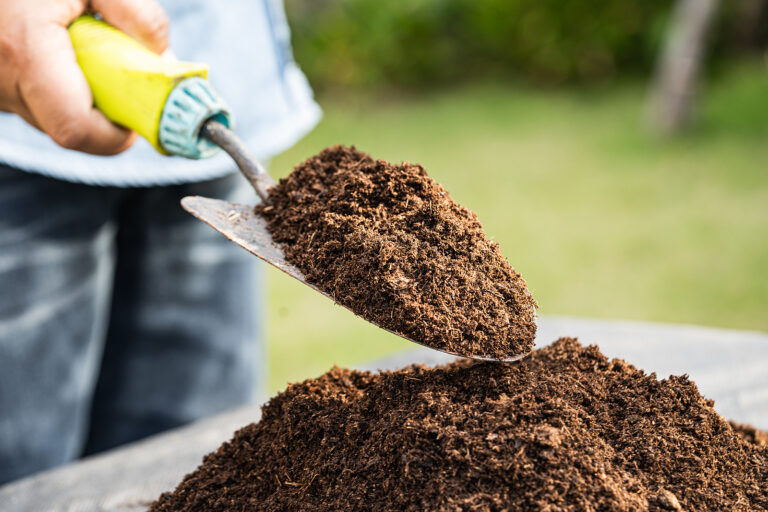
Good soil structure feels soft, crumbly, and easy to dig. Poor structure feels hard, compacted, or crusted on top—making it harder for roots and water to penetrate.
Healthy structure forms naturally through the activity of roots, fungi, and soil organisms. Earthworms tunnel through, bacteria excrete sticky substances that bind particles, and fungal hyphae weave soil crumbs together—literally creating a living, breathing soil network.
Why Texture and Structure Work Together
Texture and structure are closely related, but one can’t make up for the other.
- Sandy soils often have good structure but poor water-holding capacity.
- Clay soils have high nutrient potential but poor structure when compacted.
- Loam—the gardener’s dream—has a balanced texture that supports strong structure and microbial life.
When soil has both favorable texture and well-developed structure, it provides the ideal growing conditions: steady moisture, free drainage, oxygen-rich pore space, and easy root expansion.
How to Improve Soil Structure Naturally
Even if you can’t change your soil’s texture, you can dramatically improve its structure with regenerative and organic practices:
1. Add Organic Matter Regularly
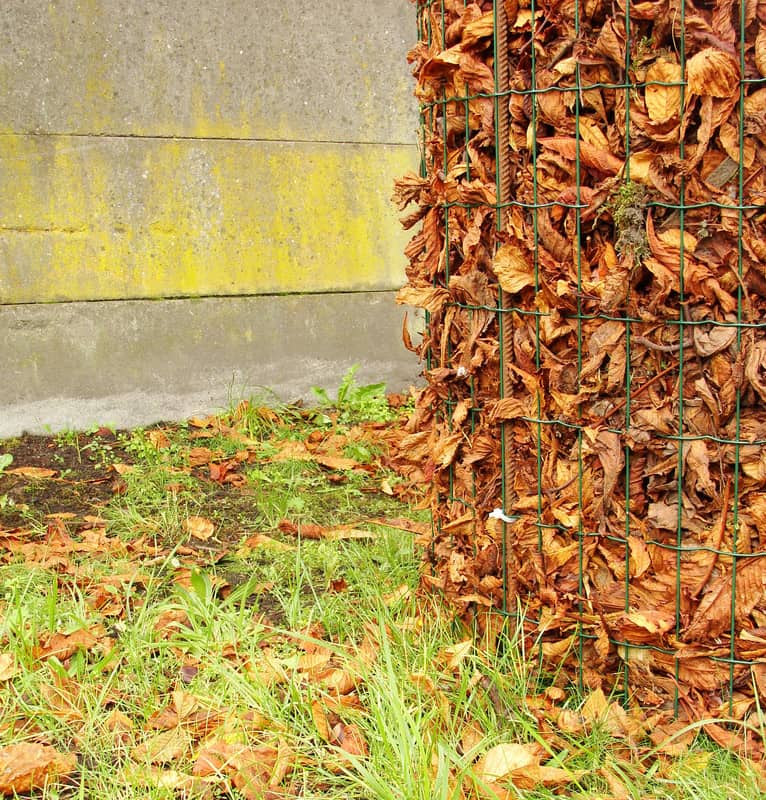
Compost, aged manure, or decomposed leaves act like glue and sponge in the soil—helping particles stick together while increasing porosity and moisture retention.
2. Minimize Tillage
Tilling breaks apart aggregates and destroys the fungal networks that hold soil together. Instead, use no-till or low-disturbance methods.
3. Keep Soil Covered
Use organic mulches or cover crops to protect the surface from compaction and erosion. Living roots help bind soil and feed the microbes that form aggregates.
4. Avoid Overwatering and Compaction
Excess water or foot traffic compresses soil and collapses its pore structure. Garden from paths and water deeply but less often.
5. Feed the Soil Life
Microbes, fungi, and earthworms are the engineers of soil structure. Support them with organic materials, compost teas, and minimal chemical disturbance.
Signs of Healthy Soil Structure
You’ll know your soil structure is improving when:
- Soil is easy to dig, not sticky or powdery.
- Water soaks in quickly without pooling.
- Roots spread widely and deeply.
- Earthworms and fungi are visible when you turn the soil.
Good structure doesn’t just help plants grow—it makes your garden more resilient to drought, flooding, and disease.
My Experience and Results
In my own vegetable beds, improving soil structure transformed plant growth. When I first began gardening in the clay-heavy soil of Sonoma Valley, I could barely sink a trowel after a winter rain. After several years of adding compost, rotating cover crops, and avoiding tillage, my soil became loose, rich, and full of life. Carrot roots now grow straight and long, tomatoes thrive with less irrigation, and my soil holds water even through California’s hot summers.
Experience—and decades of trial and error—have proven that soil health starts with structure. You can’t see it on the surface, but your plants will always show you the results.
In Summary
- Soil texture is what your soil is made of (sand, silt, and clay).
- Soil structure is how those particles are arranged and held together.
- Healthy structure improves drainage, aeration, and microbial life, no matter your soil’s texture.
- You can build structure through organic matter, cover crops, and low-disturbance methods.
When you learn to read and nurture both, you’re not just growing plants—you’re cultivating the living foundation that sustains your entire garden.