Slugs and Snails Eating Young Plants? Controls That Work

Few things frustrate gardeners more than waking up to find young seedlings chewed down to stems or disappearing overnight.
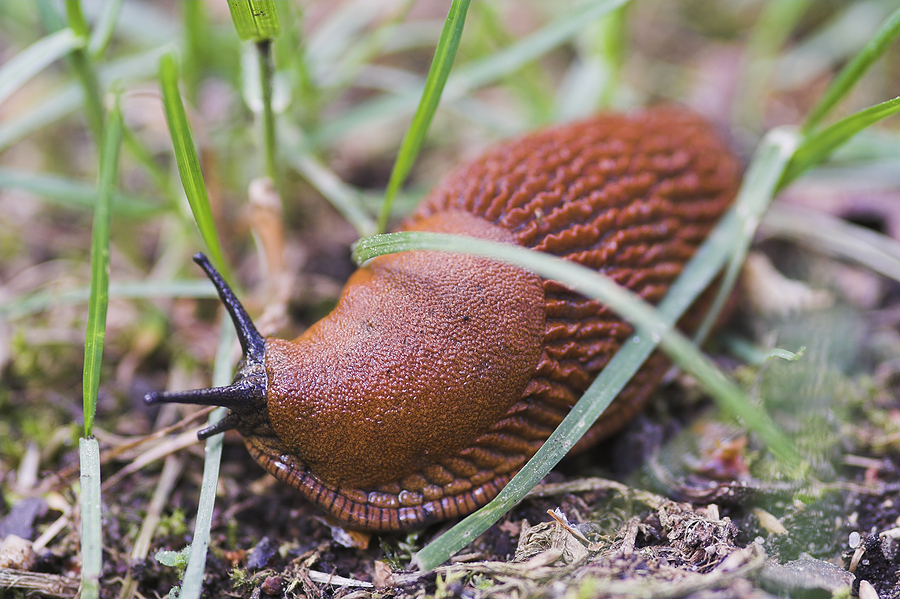
If your vegetables are being eaten at the soil line or leaves look shredded, there’s a very good chance the culprits are slugs and snails.
I’ve dealt with this repeatedly in my own Sonoma Valley garden, especially during cool, moist spring weather when populations surge. The good news is that you can control them effectively without harsh chemicals—if you combine the right methods.
Let’s walk through what actually works.
How to Know It’s Slugs or Snails
Before treating the problem, confirm the cause.
Common signs:
- Irregular holes in leaves
- Seedlings cut down at soil level
- Silvery slime trails on soil or leaves
- Damage mostly at night or early morning
Slugs and snails are night feeders, so damage often appears overnight.
1. Hand Picking (Most Effective Immediate Control)
This is the simplest and most direct method—and still one of the most effective.
How to do it:
- Go out at dusk or early morning
- Check under leaves, boards, and mulch
- Drop pests into soapy water
My Experience:
In my own garden, hand-picking during peak spring pressure often reduces damage dramatically within a few days.
2. Reduce Hiding Places (Break Their Habitat Cycle)
Slugs and snails thrive in cool, damp shelter.
Common hiding spots:
- Thick mulch piles
- Boards or stones
- Dense weeds
- Garden debris
Fix:
- Thin heavy mulch in problem areas
- Remove hiding objects near seedlings
- Keep beds tidy during early growth
👉 Helpful tools:
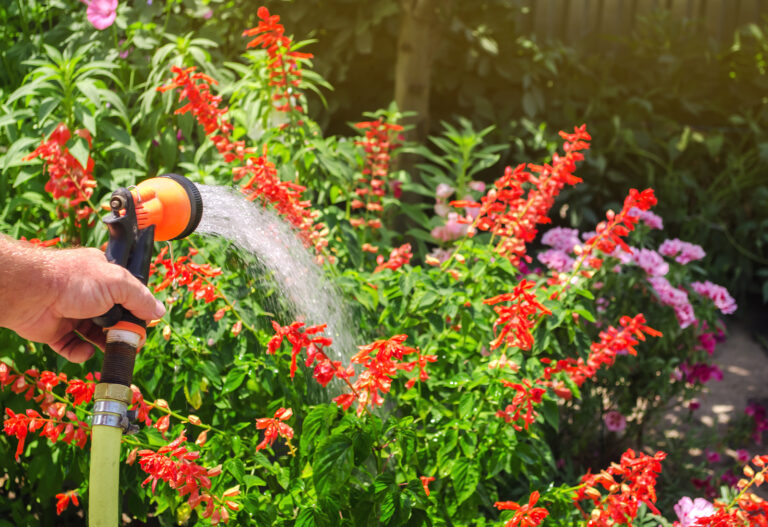
3. Water Timing Change (Simple but Powerful Fix)
Slugs and snails prefer moist nighttime conditions.
What happens:
- Evening watering creates ideal feeding conditions
- Soil stays damp overnight
Fix:
- Water in the morning instead of evening
- Allow soil surface to dry before nightfall
👉 In my experience, simply shifting watering time reduces pressure more than most gardeners expect.
4. Barriers That Actually Work
Physical barriers are highly effective when applied correctly.
Options:
- Copper tape
- Copper rings around plants
- Rough dry surfaces they avoid crossing
Fix:
- Place barriers around raised beds or individual plants
- Keep surfaces clean for best effectiveness
👉 Helpful tools:
5. Traps (Beer and Alternative Methods)
Slugs are attracted to fermentation.
How to use:
- Bury shallow containers at soil level
- Fill with beer or yeast-water mix
- Empty regularly
Important note:
Traps reduce populations but do not eliminate them entirely.
👉 Helpful tools:
6. Iron Phosphate Bait (Organic Control Option)
When populations are high, this is one of the most effective safe treatments.
How it works:
- Slugs ingest bait and stop feeding
- Breaks reproductive cycle over time
Fix:
- Apply around affected areas
- Reapply after heavy rain
👉 Helpful tools:
7. Encourage Natural Predators
A long-term strategy that supports balance.
Natural predators:
- Ground beetles
- Birds
- Frogs and toads
Fix:
- Avoid overuse of broad-spectrum pesticides
- Add habitat diversity in garden edges
My Experience
After more than 30 years growing vegetables in raised beds and mounded systems, I’ve learned that slug and snail control is not about one solution—it’s about combining pressure points.
In Sonoma Valley’s cool spring conditions, I typically rely on:
- Morning watering
- Early hand-picking
- Targeted barriers in high-risk beds
When these three are combined, damage drops significantly within days.
Simple Slug & Snail Control Checklist
Before assuming plants are lost, check:
- Are you watering in the evening?
- Is mulch too thick near seedlings?
- Are hiding places nearby?
- Have barriers been installed?
- Are traps or bait needed for heavy pressure?
🧰 Recommended Slug Control Setup (Buying Guide)
This simple setup is what I recommend for early-season protection.
🛡️ Physical Barriers
🪤 Traps & Monitoring
🌿 Organic Control
💧 Prevention Tools
- Drip irrigation systems (to avoid wet foliage and soil at night)
👉 In my experience, combining barriers + timing changes is far more effective than any single product alone.
Related Posts You May Find Helpful
- Why Are My Seedlings Leggy? (Causes and Fixes)
- Seeds Not Germinating? 7 Reasons Your Garden Isn’t Sprouting
- Why Are My Young Plants Yellow? (Causes and Fixes)
- Transplant Shock: Why Plants Stall After Planting
Frequently Asked Questions
How do I know if slugs are eating my plants?
Look for slime trails, irregular holes, and nighttime damage patterns.
What is the fastest way to control slugs?
Hand-picking combined with barriers gives the fastest results.
Do coffee grounds or eggshells work?
They may have limited deterrent effect but are not reliable alone.
Are slugs worse in spring?
Yes—cool, moist spring conditions create ideal breeding and feeding environments.
Can plants recover from slug damage?
Yes—if the growing point is intact, most seedlings recover quickly.
The Bottom Line
Slug and snail damage looks dramatic, but it is highly manageable.
When you combine:
- Water timing
- Physical barriers
- Targeted control methods
…you can protect seedlings and maintain strong early-season growth.