Regenerating Depleted Garden Soil into a Vibrant Ecosystem

Healthy soil is the foundation of every thriving garden. Yet over time, repeated planting, tilling, and chemical fertilizers can strip soil of its vitality—leaving it compacted, lifeless, and unable to hold nutrients or moisture. Regenerative gardening offers a path to bring that soil back to life. By working with nature rather than against it, you can transform depleted beds into a vibrant, living ecosystem teeming with beneficial organisms.
Step 1: Stop Disturbing the Soil
Every time soil is tilled or heavily turned, delicate networks of fungi, bacteria, and earthworms are disrupted. These living communities create soil structure and help move air, water, and nutrients. To regenerate life, minimize disturbance and let these organisms rebuild naturally.
Regenerative tip: Use a garden fork or broadfork to loosen soil without inverting layers.
Step 2: Add Organic Matter
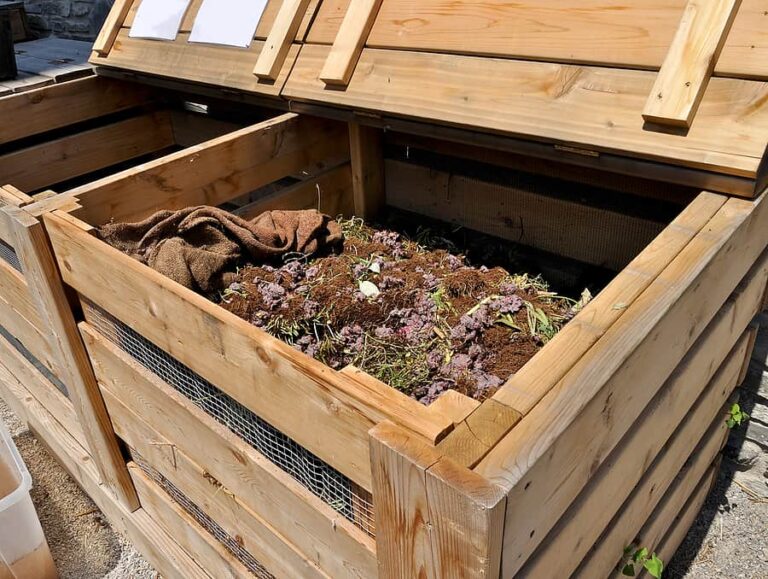
Organic matter is the food source that fuels soil life. Compost, worm castings, and decomposed leaves replenish carbon and nutrients while improving texture and moisture balance. As microbes consume organic matter, they release nutrients in forms plants can use.
Regenerative tip: Apply 2–3 inches of compost on top of your beds twice a year.
Step 3: Keep the Soil Covered
Bare soil loses moisture, erodes easily, and heats up quickly, stressing the living organisms below. Mulch acts like armor, keeping soil cool and moist while feeding microbial life as it decomposes.
Regenerative tip: Use straw, wood chips, or shredded leaves to maintain constant soil cover.
Step 4: Grow Living Roots Year-Round
Plants and soil life exist in partnership. Roots release sugars that feed microbes, and in return, microbes deliver nutrients to plants. The more time living roots occupy your soil, the more active and balanced the ecosystem becomes.
Regenerative tip: Grow cover crops or interplant quick-growing greens between vegetable successions.
Step 5: Welcome Biodiversity
Regenerative gardens thrive on diversity—of plants, insects, and microbes. Rotate crops, mix plant families, and include pollinator flowers nearby. Diverse root systems create more habitat for beneficial soil organisms, improving structure and nutrient cycling.
Regenerative tip: Design garden beds as mini-ecosystems, blending legumes, roots, and leafy crops for balance.
Step 6: Observe, Adjust, and Trust the Process
Regeneration doesn’t happen overnight. Over time, your soil will grow darker, looser, and more fragrant. Earthworms will return, water will infiltrate easily, and plants will grow stronger with fewer inputs.
Regenerative mindset: See your soil as alive, not inert. The more life you support, the more abundance it will return.
The Living Payoff
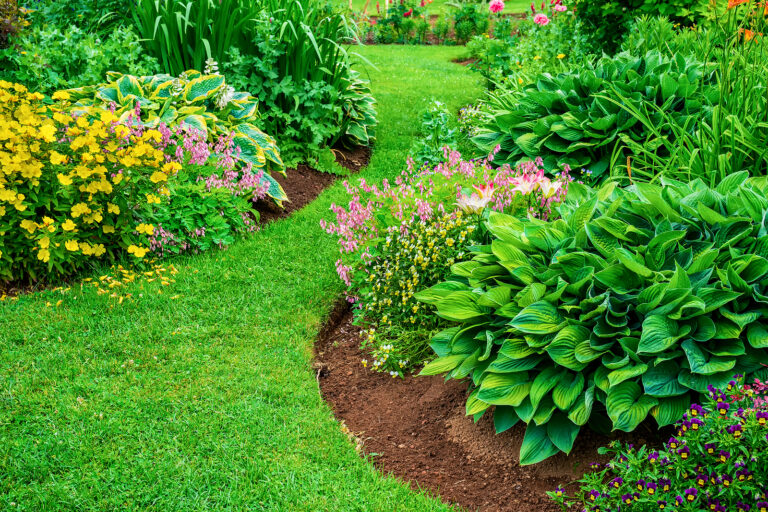
When you regenerate soil, you create a garden that sustains itself—naturally fertile, resilient, and rich with life. From the microbe to the earthworm, every living thing plays a part in restoring the soil ecosystem.