Pruning Vegetables for Bigger Harvests (Tomatoes, Peppers, Cucumbers)

If you want bigger harvests from container vegetables, pruning is one of the fastest ways to increase production—when done correctly.
Done right, pruning:
- Directs energy into fruit
- Improves airflow and light
- Reduces disease risk
Done wrong, it can reduce yield.
I’ve been growing and pruning vegetables for decades in Sonoma Valley. The goal isn’t to cut more—it’s to cut strategically.
Know What to Plant This Week
Every week I answer the gardener's most important question: what should I plant now? Get seasonal planting advice free — or go Pro for my full Soil Temperature Garden Report, with soil temperature, moisture, weather trends, and crop-by-crop recommendations.
Why Pruning Increases Yield
Plants have limited energy. If that energy goes into excess leaves and shoots, fruit production suffers.
Pruning helps by:
- Removing non-productive growth
- Improving light penetration
- Increasing airflow
👉 Result: larger, higher-quality harvests
Tomatoes: The Most Important Crop to Prune
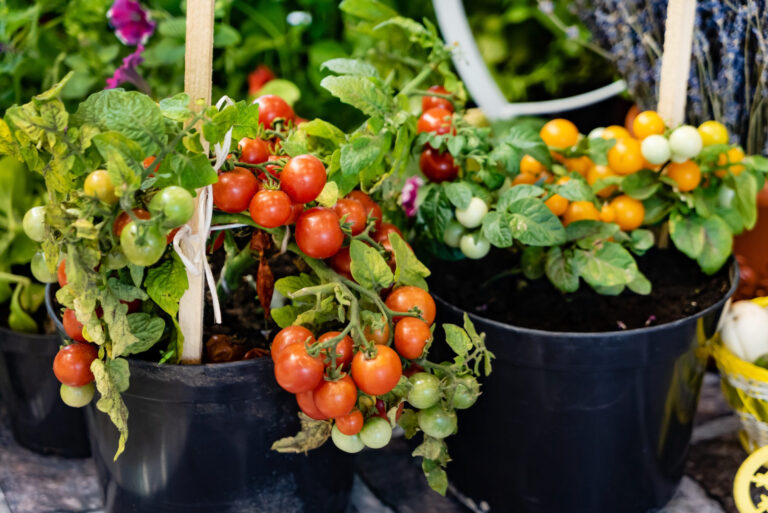
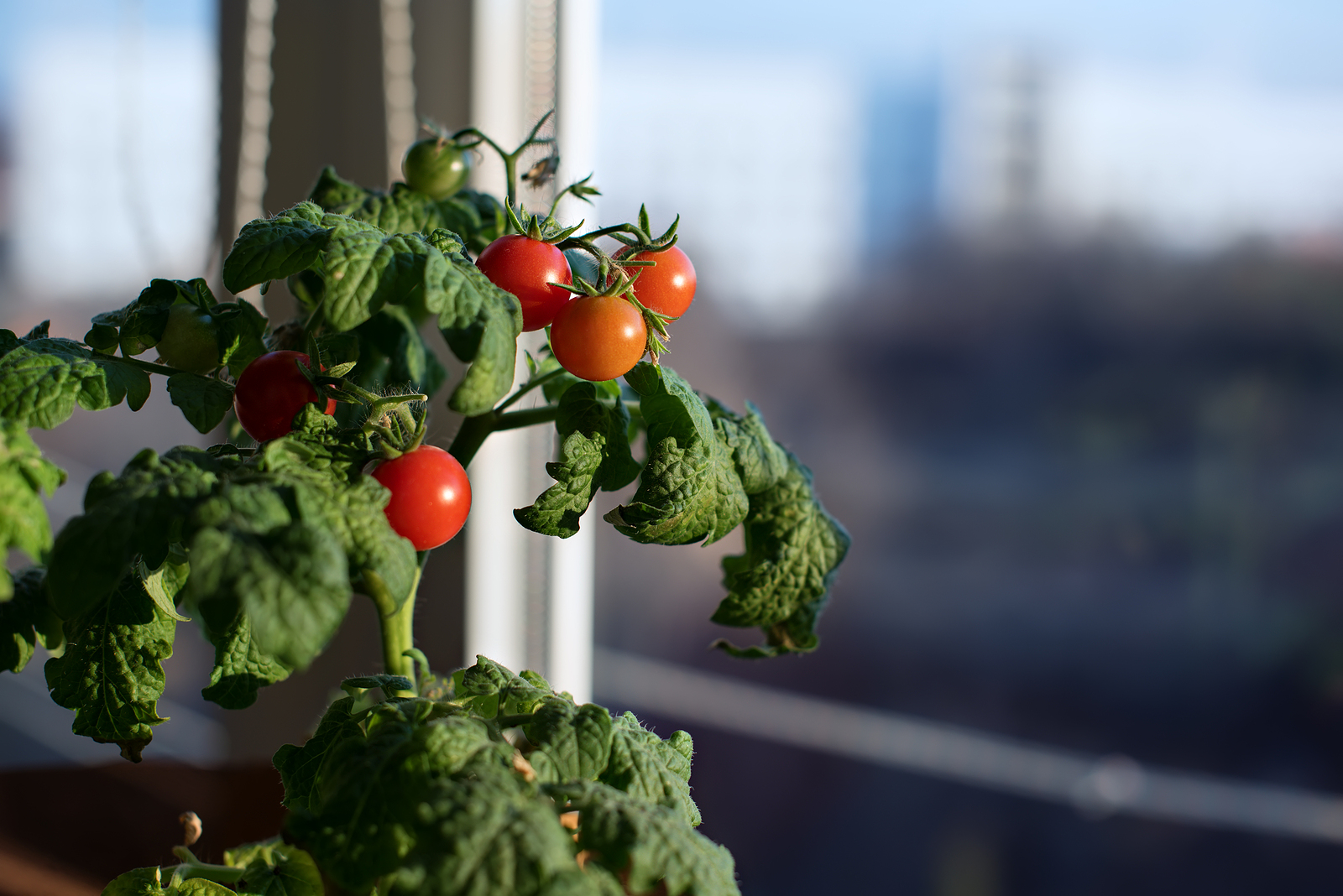
Tomatoes respond more to pruning than almost any other vegetable.
What to Remove:
- Suckers (shoots between main stem and branches)
- Lower leaves touching soil
- Yellowing or crowded foliage
How to Do It:
- Pinch suckers when small
- Use clean pruners for larger growth
Recommended tools:
Key Strategy:
- Indeterminate tomatoes → prune regularly
- Determinate tomatoes → prune lightly only
👉 In my garden, controlled pruning leads to earlier and larger harvests.
Peppers: Prune Lightly for Stronger Plants
Peppers don’t need heavy pruning—but strategic cuts help.
What to Remove:
- Early flowers (on young plants)
- Weak interior shoots
- Damaged leaves
Why It Works:
- Encourages stronger root and plant development
- Leads to more productive fruiting later
👉 Think of pepper pruning as guidance, not reduction.
Cucumbers: Manage Growth for Better Production
Cucumbers grow fast and can become overcrowded quickly.
What to Remove:
- Excess lateral vines
- Damaged or yellow leaves
- Crowded interior growth
Train Vertically:
- Use trellises for better airflow and light
Helpful supports:
👉 Vertical, pruned cucumbers produce cleaner, more consistent fruit.
When to Prune (Timing Matters)
- Start early (when plants are established)
- Prune regularly—not all at once
- Avoid heavy pruning during extreme heat
👉 Light, consistent pruning works better than aggressive cutting.
Common Pruning Mistakes
Avoid these yield-reducing errors:
- Over-pruning (removing too much foliage)
- Pruning determinate tomatoes heavily
- Ignoring sanitation (dirty tools spread disease)
- Removing healthy productive branches
👉 If in doubt, prune less—not more.
Quick Pruning Checklist
For bigger harvests:
- Remove tomato suckers (indeterminate types)
- Lightly shape pepper plants
- Control cucumber vines
- Improve airflow and light
- Use clean, sharp tools
My Perspective (What Actually Works)
After decades of growing vegetables, I’ve learned:
👉 Pruning is about directing energy—not reducing growth.
My approach:
- Remove non-productive growth
- Maintain airflow and light
- Avoid over-pruning
That balance consistently increases yields without stressing plants.
Final Takeaway
Pruning can significantly increase container vegetable yields when done correctly.
Focus on:
- Tomatoes: strategic sucker removal
- Peppers: light shaping
- Cucumbers: controlled, vertical growth
Done right, pruning turns healthy plants into high-producing plants.