No-Till, Not Never-Till: When Soil Disturbance Is Actually Helpful

When Limited Soil Disturbance Is Acceptable—and How to Do It Without Breaking No-Till Principles
No-till gardening is based on the idea that soil thrives when its layers, organisms, and structure are left intact. Yet gardeners often wonder: Is it ever acceptable to disturb or turn the soil in a no-till system?
The short answer: Yes—sometimes. But only with intention, minimal disruption, and clear regenerative purpose.
No-till gardening is not a rigid rule; it’s a soil-first philosophy. Occasional, thoughtful disturbance is permissible—especially when it improves long-term soil health, corrects structural issues, or helps establish a new garden.
When Soil Disturbance Is Acceptable in a No-Till Garden
1. Establishing a New Bed on Compacted or Dead Soil
In new gardens with heavily compacted clay, construction fill, or dead ground, light mechanical loosening may be needed to:
Know What to Plant This Week
Every week I answer the gardener's most important question: what should I plant now? Get seasonal planting advice free — or go Pro for my full Soil Temperature Garden Report, with soil temperature, moisture, weather trends, and crop-by-crop recommendations.
- Improve drainage
- Break up hardpan
- Allow root penetration
- Jump-start microbial activity
After this initial intervention, follow with thick organic mulches and compost to rebuild soil biology.
2. Correcting Severe Compaction or Waterlogging
Foot traffic, machinery, or years of tillage can create layers of compacted soil.
Strategic loosening can help restore:
- Water infiltration
- Root growth
- Oxygen exchange
Once corrected, return to no-till management to maintain structure.
3. Removing Deep Taproot Weeds or Perennial Root Systems
Some weeds—bindweed, Bermuda grass, dock, thistle—may require targeted digging.
This is not full tillage; it is focused disturbance, isolate to the problem area.
4. Planting Trees, Shrubs, or Large Perennials
Deep planting holes inevitably disturb soil, but this does not violate no-till principles when:
- Holes are kept localized
- Soil biology is preserved around the site
- The area is mulched afterward
5. Repairing Erosion Gullies or Bed Edges
Regrading, reshaping, or filling small eroded areas is sometimes essential to protect the garden long-term.
When Soil Should Not Be Disturbed
Avoid turning or digging the soil when:
- Adding compost or amendments (these can sit on top)
- Preparing beds for seasonal planting
- Removing annuals (cut stems at soil level instead)
- Addressing weeds that can be smothered with mulch
- Trying to aerate healthy soil—worms already do this
Healthy, biologically rich soil rarely needs human intervention.
Tools That Can Be Used in a Mostly No-Till Garden
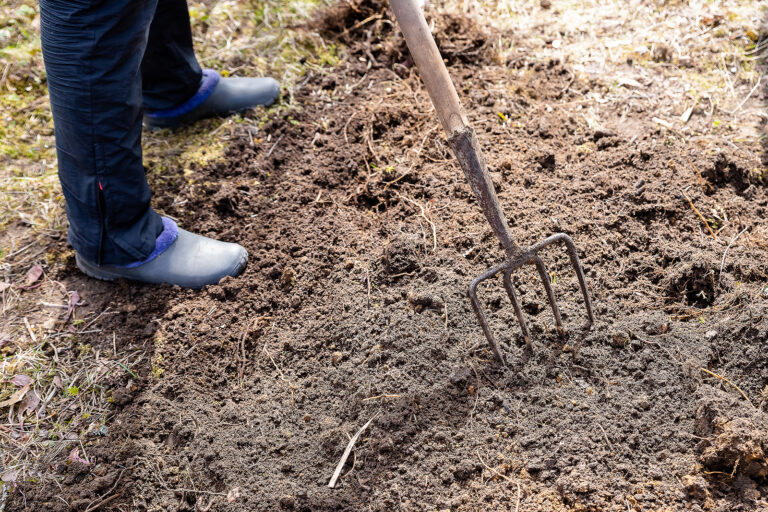
1. Garden Fork (Used Gently)
For loosening—not flipping—soil. Insert, wiggle, and lift slightly to create fractures without inversion.
2. Broadfork (Yes, It Can Be Used)
A broadfork is widely accepted in no-till systems when used correctly.
It:
- Loosens soil deeply
- Aerates without inversion
- Preserves mycorrhizal networks
- Opens channels for roots and water
Avoid lifting or turning the soil. Simply rock back to create vertical cracks, then pull out.
3. Hori Hori or Narrow Weeding Tools
For surgical removal of deep-rooted perennial weeds.
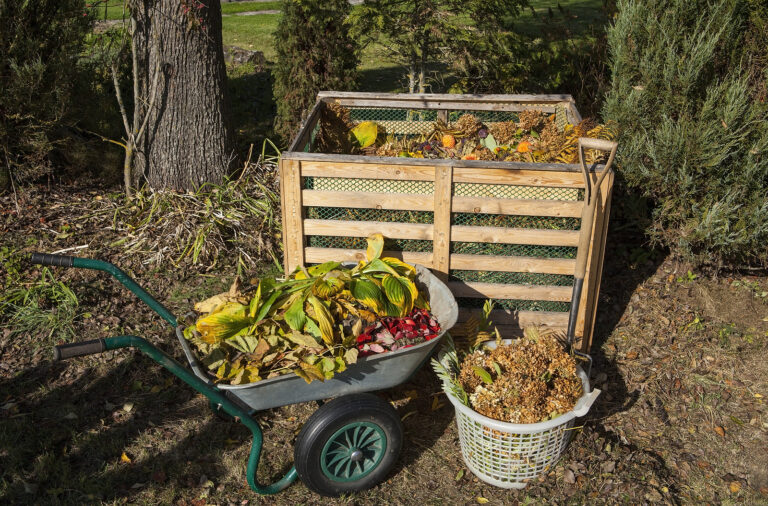
4. Mulch and Compost Tools
- Rake
- Wheelbarrow
- Compost fork
- Mulch scoops
These tools support the build-up of top-layer fertility without disturbance.
5. Hand Trowel (As Needed)
Acceptable for small planting holes, especially for seedlings or transplants.
Why Minimal Disturbance Still Matters
Even occasional light disturbance should be intentional. Too much disruption can:
- Break fungal networks
- Release stored carbon
- Destroy soil aggregates
- Reduce worm populations
- Increase weeds by exposing buried seeds
The goal is not perfection but respect for soil biology.
Disturb only when needed, and always follow with:
- Compost
- Mulch
- Root growth
- Living cover
These rebuild soil life quickly.
My Experience
I’ve practiced no-till and low-dig methods for more than 30 years in my year-round Sonoma Valley garden, where I grow vegetables in raised beds, wide-row beds, and containers. My approach is shaped by hands-on experience as a long-time Master Gardener, UC Extension landscape design instructor, and chief vegetable garden volunteer at the Sonoma Garden Park. Over the decades I’ve learned when soil truly benefits from being left undisturbed—and when strategic, minimal interventions like broadforking or loosening compacted areas actually improve plant health, drainage, and microbial life. This post reflects those real-world lessons combined with regenerative gardening principles that support long-term soil fertility.
Conclusion
No-till gardening does not mean the soil can never be touched. Instead, it means choosing disturbance only when it benefits long-term soil health. Tools like garden forks and broadforks can be used—with care—to loosen but not overturn soil structure. When gardeners cultivate with intention and restraint, occasional disturbance becomes part of a regenerative, resilient garden system.