No Space? Grow These 7 Vegetables in Pots

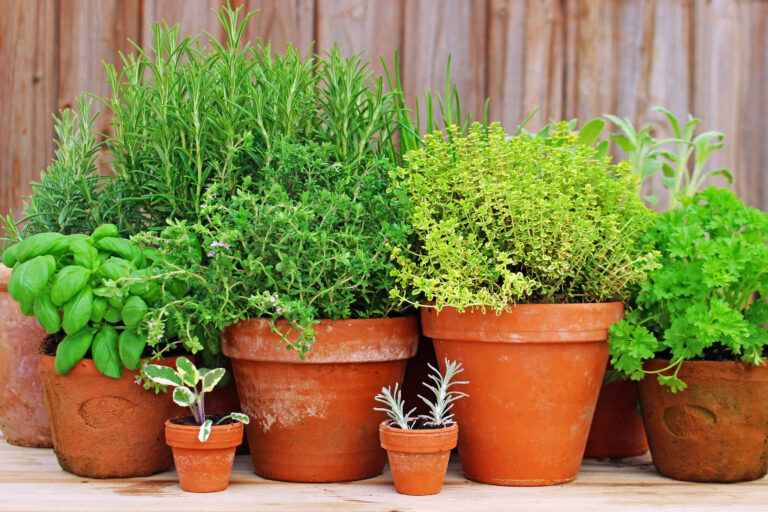
No backyard? No problem. You can grow a surprising amount of food in containers—on a patio, balcony, porch, or even a sunny driveway. I’ve grown vegetables in pots for decades, and with the right varieties and a few container-specific tweaks, you can harvest real meals from very little space.
Here are 7 vegetables that thrive in pots, the best varieties to choose, and practical tips to help you succeed.
1. Tomatoes (Especially Determinate & Dwarf Types)
Best varieties for pots
- ‘Patio’
- ‘Bush Early Girl’
- ‘Tiny Tim’
- ‘Tumbling Tom’ (great for hanging pots)
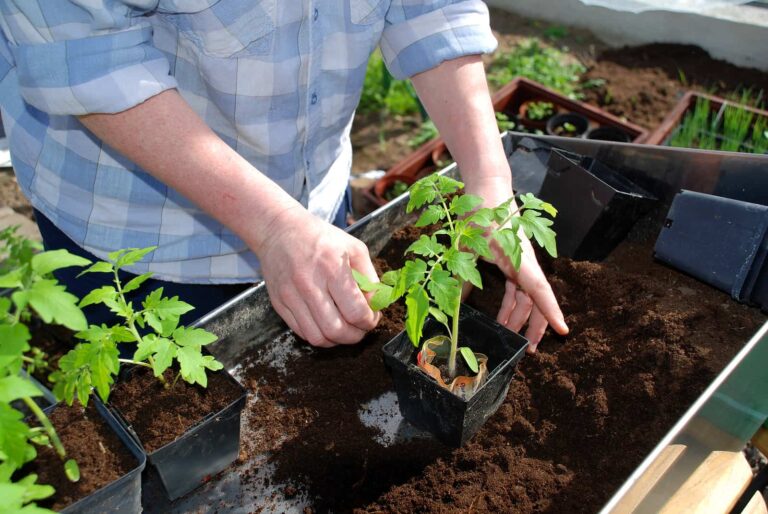
How to grow tomatoes in pots Choose a container that holds at least 5 gallons of soil—larger is always better. Use a high-quality potting mix, not garden soil, and plant tomatoes deeply to encourage strong root growth. Even compact varieties need support, so add a cage or stake at planting time. Water consistently; pots dry out faster than garden beds, and uneven watering leads to cracked fruit.
Why they work: Modern compact varieties are bred to stay small while producing full-size flavor.
2. Peppers (Sweet and Hot)
Best varieties for pots
- ‘California Wonder’ (sweet)
- ‘Lunchbox’ peppers
- ‘Jalapeño M’
- ‘Shishito’
- ‘Cajun Belle’
How to grow peppers in pots Peppers prefer warm roots, which makes containers ideal. Use a 3–5 gallon pot per plant and place containers where they’ll get full sun and reflected heat. Feed lightly but regularly once flowering begins. Avoid oversized pots early on—peppers grow best when roots warm quickly.
Why they work: Peppers are naturally compact and adapt well to confined root spaces.
3. Lettuce and Leafy Greens
Best varieties for pots
- ‘Buttercrunch’
- ‘Red Sails’
- ‘Black Seeded Simpson’
- Mesclun mixes
- Baby spinach varieties
How to grow lettuce in pots Shallow containers work well—6–8 inches deep is enough. Plant densely and harvest often using the cut-and-come-again method. In warm climates, move pots to afternoon shade to extend the season. Lettuce grows quickly, making it perfect for small spaces.
Why they work: Leaf crops don’t need deep roots and mature fast.
4. Radishes
Best varieties for pots
- ‘Cherry Belle’
- ‘French Breakfast’
- ‘Easter Egg’
How to grow radishes in pots Radishes thrive in wide, shallow containers with loose soil. Keep soil consistently moist to prevent woody roots or splitting. You can plant radishes between slower-growing crops or succession plant every two weeks for a steady harvest.
Why they work: Radishes grow fast and don’t need much space or attention.
5. Bush Beans
Best varieties for pots
- ‘Provider’
- ‘Contender’
- ‘Blue Lake Bush’
- ‘Mascotte’ (excellent container variety)
How to grow bush beans in pots Use a container at least 10–12 inches deep and plant seeds close together for a full harvest. Beans don’t need fertilizer beyond good potting soil—they fix their own nitrogen. Harvest frequently to keep plants producing.
Why they work: Bush beans stay compact and produce heavily in small spaces.
6. Cucumbers (Compact & Bush Types)
Best varieties for pots
- ‘Bush Pickle’
- ‘Spacemaster’
- ‘Patio Snacker’
- ‘Picklebush’
How to grow cucumbers in pots Choose a 5–7 gallon container and provide a small trellis or cage to keep vines tidy and improve airflow. Water deeply and consistently—container cucumbers dry out quickly. Compact varieties produce full-size fruit without long runners.
Why they work: Bush cucumbers are bred specifically for containers and small gardens.
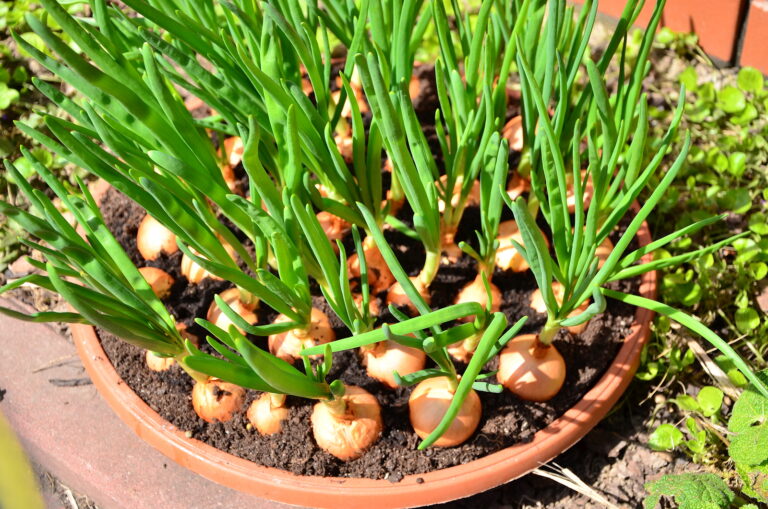
7. Green Onions (Scallions)
Best varieties for pots
- ‘Evergreen Hardy White’
- ‘White Lisbon’
- ‘Tokyo Long White’
How to grow green onions in pots Scallions are ideal for narrow or shallow containers and can be grown very densely. Snip what you need and let the plants regrow. They tolerate partial shade and can be grown year-round in mild climates.
Why they work: Minimal root space, fast growth, and repeat harvests.
Container Growing Tips for Success
- Choose the right pot size: Bigger containers hold moisture longer and support healthier plants.
- Use quality potting mix: Never use garden soil—it compacts and drains poorly.
- Water more often: Containers dry out faster than beds, especially in summer.
- Feed lightly but regularly: Nutrients wash out of pots faster than in-ground soil.
- Move pots as needed: One of the biggest advantages of container gardening.
Small Space, Big Harvest
You don’t need a traditional garden to grow real food. With the right vegetables and a few pots, you can harvest fresh produce from almost anywhere. Start with one or two containers, learn how they behave in your space, and expand from there.
No space? You’ve still got options—and plenty of vegetables to grow.