Mulching Strategies for Regenerative Vegetable Gardens: Materials, Timing, and Benefits

Mulching is a cornerstone of regenerative vegetable gardening, improving soil structure, moisture retention, and fertility while supporting a thriving soil food web. By selecting the right materials and applying them at the proper time, gardeners can enhance plant health, reduce weeds, and boost microbial activity.
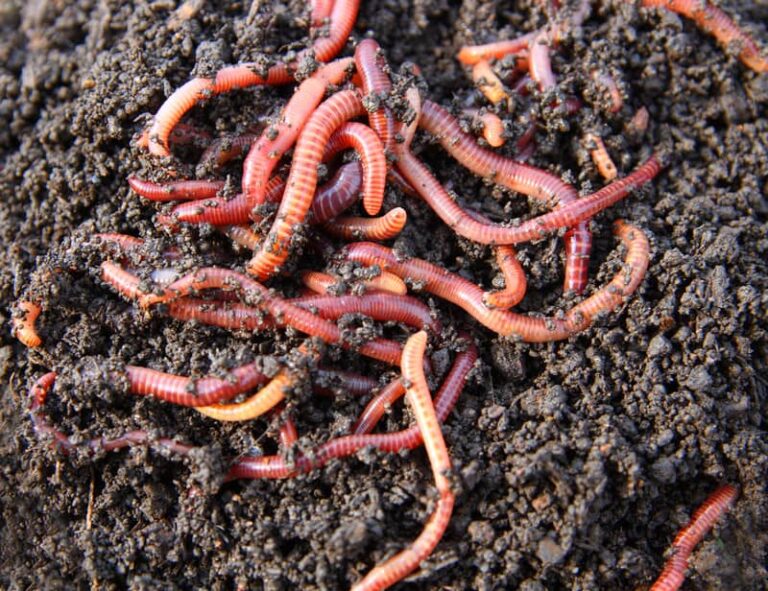
Drawing from decades of hands-on experience, I’ve observed that consistent mulching not only protects soil but also stimulates earthworms, fungi, and beneficial microbes, creating a resilient and productive garden ecosystem.
1. Choosing Mulch Materials
Organic Mulches:
- Straw, leaves, grass clippings, wood chips, shredded bark
- Feed soil microbes as they decompose, improving soil organic matter
- Attract earthworms and fungi, enhancing soil fertility
Inorganic Mulches:
- Gravel, landscape fabric, black plastic (used selectively)
- Reduce erosion and suppress weeds but do not feed soil life
- Best for pathways or long-term soil protection
My Insight: In my gardens, organic mulches consistently increase microbial activity and earthworm populations, whereas inorganic mulches primarily control weeds.
2. Timing Mulch Application
- Spring: Apply mulch after soil has warmed and seeds or transplants are established
- Summer: Replenish to retain moisture, suppress weeds, and moderate temperature
- Fall: Add thicker layers to protect soil during winter, preserve structure, and feed microbes
My Insight: Seasonal timing in my beds ensures maximum benefits for soil biology and plant growth.
3. Depth and Layering
- General Recommendation: 2–4 inches for straw, leaves, or grass clippings
- Wood Chips / Bark: 3–6 inches for slow decomposition and long-term coverage
- Avoid piling mulch directly against plant stems to prevent rot
My Insight: Proper depth in my beds balances moisture retention and airflow, supporting healthy root systems and soil life.
4. Mulch Benefits for Regenerative Gardens
- Soil Moisture Retention: Reduces evaporation and drought stress
- Temperature Moderation: Keeps soil cool in summer, warmer in winter
- Weed Suppression: Reduces competition and labor for weed control
- Enhanced Soil Life: Provides habitat and food for earthworms, fungi, and microbes
- Soil Structure Improvement: Decomposing mulch contributes to humus and better aggregation
My Insight: I’ve observed that mulched beds consistently develop looser, richer soil with more active microbial life than bare beds.
5. Integrating Mulch with Other Practices
- Combine with cover crops to feed microbes year-round
- Use alongside compost applications for nutrient boost
- Pair with no-till or minimal-till practices to protect soil structure
My Insight: In my experience, combining mulch, compost, and cover crops creates a living soil ecosystem that improves fertility and vegetable yields naturally.
My Experience
Over decades of regenerative gardening, mulching has been one of the most impactful soil-building practices. Organic mulches feed soil life, conserve moisture, reduce weeds, and protect soil structure. When combined with cover crops, compost, and minimal disturbance, mulch helps create resilient, fertile, and biologically active beds capable of sustaining healthy vegetables year-round.
Mulching Strategies for Regenerative Vegetable Gardens
| Mulch Material | Recommended Depth | Best Timing | Soil Life Supported | Benefits to Soil & Plants | EEAT Insight from Experience |
|---|---|---|---|---|---|
| Straw | 2–4 inches | Spring, summer, fall | Earthworms, fungi, bacteria | Retains moisture, suppresses weeds, builds humus | Straw mulch in my beds feeds soil life and improves structure within months. |
| Leaves / Leaf Mold | 2–4 inches | Fall, spring | Earthworms, fungi, bacteria | Adds organic matter, improves soil aggregation, moderates temperature | Leaf mulch quickly decomposes, enhancing microbial activity and fertility in my experience. |
| Grass Clippings | 1–2 inches | Spring, summer | Bacteria, fungi | Provides quick nitrogen, retains moisture | Grass clippings feed microbes rapidly, boosting SOM when applied regularly. |
| Wood Chips / Bark | 3–6 inches | Fall, winter | Fungi, earthworms | Slow-release organic matter, long-term soil protection | I use wood chips for pathways and perennial beds; they support long-term fungal networks. |
| Black Plastic / Landscape Fabric | N/A | Spring / Summer | Minimal soil life | Suppresses weeds, warms soil, reduces erosion | I use plastic for early-season warm crops; it doesn’t feed soil life but controls weeds. |
💡 Note:
From decades of hands-on regenerative gardening, I’ve observed that organic mulches consistently improve soil fertility, structure, and biological activity. When combined with cover crops, compost, and minimal tillage, mulching creates resilient, productive beds that sustain vegetables naturally.
Signs Your Mulch is Benefiting Soil Life
| Indicator | Linked Mulch Practices | What It Shows / Benefit | EEAT Insight from Experience |
|---|---|---|---|
| Earthworm Abundance | Straw, leaves, grass clippings, wood chips | Active nutrient cycling, improved soil aeration | Mulched beds in my gardens consistently attract more worms than bare beds. |
| Visible Fungal Hyphae | Straw, leaves, wood chips | Active fungal networks supporting root health and nutrient cycling | I often see white threads in mulched soil, indicating a thriving soil food web. |
| Moist Soil with Reduced Evaporation | All organic mulches | Retains moisture, reduces drought stress | Mulched beds maintain consistent soil moisture even during hot, dry spells. |
| Improved Soil Structure / Crumbly Texture | Straw, leaves, wood chips | Better aeration, root penetration, and aggregation | Beds with mulch develop loose, rich soil with improved tilth over seasons. |
| Decomposing Organic Matter | Leaves, straw, grass clippings | Feeds microbes and fungi | Visible breakdown of mulch indicates active microbial activity in my experience. |
| Reduced Weed Growth | Thick mulch layers | Minimizes competition for crops | I’ve observed significantly fewer weeds in mulched beds compared to bare soil. |
| Healthy Vegetable Growth | All effective mulches | Enhanced nutrient cycling, moisture, and soil life | Vegetables in well-mulched beds show stronger roots, higher yields, and resilience. |
💡 Note:
From decades of regenerative gardening, I’ve found that these indicators reliably show mulch is actively improving soil health. By monitoring worms, fungal activity, soil texture, and moisture, gardeners can assess mulch effectiveness and adjust practices for optimal regenerative benefits.