How to Prevent Bok Choy from Bolting (Heat, Stress & Day Length)

Preventing bok choy from bolting is one of the biggest challenges I’ve seen gardeners face—and one I’ve navigated many times in my own Sonoma Valley beds. Bok choy is naturally sensitive to stress, temperature swings, and increasing day length. But with the right timing, conditions, and care, you can grow tender, full-sized plants without sending them into flower prematurely. Here’s how to prevent bolting based on both horticultural science and more than 30 years of hands-on experience.
Why Bok Choy Bolts
Bolting happens when bok choy shifts from leaf production to seed production. This jump is triggered by:
- Rising temperatures (usually above 80°F)
- Sudden cold snaps after planting
- Increasing day length, especially in late spring
- Root stress from inconsistent watering
- Transplant shock
- Nutrient imbalances
Asian greens evolved for cool, mild seasons—so any stress that suggests “summer is coming” can push the plant to bolt early.
Choose Bolt-Resistant Varieties
Selecting the right cultivars is one of the biggest differences between bolting and success.
Varieties that have performed best for me:
- ‘Joi Choi’ – Extremely bolt-resistant, vigorous
- ‘Mei Qing Choi’ – Compact, tolerant of heat
- ‘Green Fortune’ – Reliable in spring and fall
- ‘Black Summer’ – Handles warm spells surprisingly well
In my garden, ‘Joi Choi’ consistently gives me the slowest bolting under fluctuating temperatures.
Plant at the Right Time
Timing is crucial.
Spring
Plant as early as your soil can be worked, about 2–4 weeks before your last frost. Early planting keeps growth in the cool season before long days and heat arrive.
Summer
Only sow in summer if you have:
- Partial shade
- Consistent moisture
- Fast-maturing varieties
In most regions, summer plantings bolt easily—my summer attempts succeed only with shade cloth.
Fall
Fall is the easiest, most reliable season.
Shortening days + cooling temperatures = almost zero bolting.
Use Shade to Keep Plants Cool
Bok choy grows best between 55–70°F. In my garden, I use 30–40% shade cloth whenever temperatures rise above 78°F.
Shade helps by:
- Reducing leaf temperature
- Blocking harsh afternoon sun
- Protecting plants from heat-triggered bolting
Even a simple umbrella or row cover works if you don’t have shade cloth.
Water Consistently to Prevent Stress
Inconsistent watering is one of the fastest ways to trigger bolting.
To avoid it:
- Keep soil evenly moist, never allowing it to dry out
- Use drip irrigation for steady moisture
- Mulch lightly to reduce evaporation
When bok choy experiences drought—even for a day—the plant may interpret it as stress and initiate bolting.
Avoid Transplant Shock
Transplant shock is a major bolting trigger, especially in spring.
To minimize it:
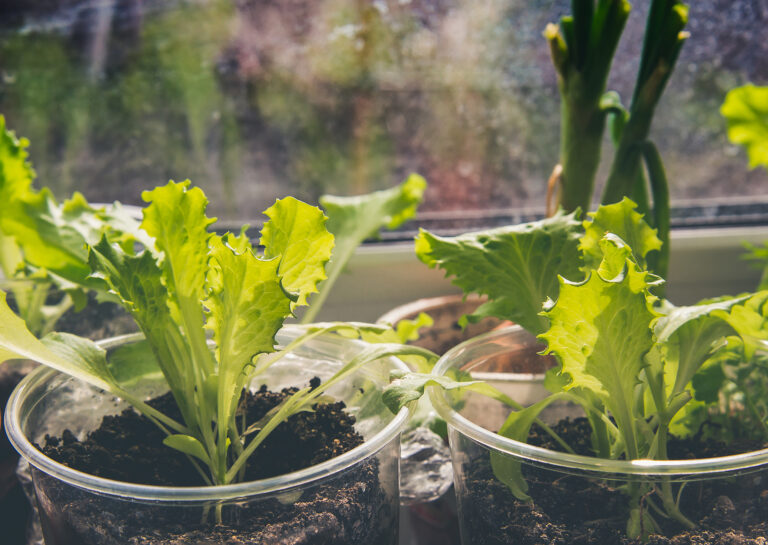
- Start seedlings indoors in cool conditions
- Harden off for 5–7 days
- Transplant on a cool, cloudy day
- Water deeply before and after planting
- Avoid letting seedlings become rootbound
From experience, bok choy transplants grown too warm indoors bolt more readily once outdoors.
Feed Lightly but Consistently
Overfertilizing with nitrogen can accelerate bolting.
Underfertilizing stresses the plant—also triggering bolting.
Follow a balanced plan:
- Add compost at planting
- Apply a diluted liquid fertilizer weekly (fish emulsion or compost tea)
- Avoid high-nitrogen spikes
Steady, gentle nutrition keeps bok choy growing smoothly.
Thin Plants Early
Crowding creates heat and competition—two stress factors.
Thin seedlings to:
- 4–6 inches apart for baby bok choy
- 8–10 inches for full-size bok choy
Crowded plants bolt faster and produce smaller heads.
Harvest at the Right Stage
Even healthy bok choy will eventually bolt if left too long.
Harvest based on variety:
- Baby types: 30–35 days
- Full size: 45–55 days
If you see the core beginning to rise or tighten, harvest immediately.
Final Thoughts
Bolting is natural, but it doesn’t have to ruin your crop. With bolt-resistant varieties, cool-season timing, steady moisture, and shade during warm spells, you can grow full, tender bok choy even in unpredictable weather. These strategies come from decades of trial and error—and they work.
Bok Choy Learning Hub
Start here: The Ultimate Guide to Growing Bok Choy
Bok Choy Planting & Timing
- When to Plant Bok Choy for Spring, Summer, and Fall
- Bok Choy Planting Calendar: Month-by-Month Guide
- Best Growing Conditions for Tender, Bolt-Resistant Bok Choy
Starting, Transplanting & Direct Sowing
- How to Start Bok Choy Indoors Under Lights
- Direct Sowing Bok Choy for Fast, Tender Harvests
- How to Transplant Bok Choy Without Triggering Bolting
Bok Choy Care
- Watering Bok Choy: Keeping Plants Tender and Not Tough
- How to Fertilize Bok Choy for Fast, Leafy Growth
- How to Prevent Bok Choy from Bolting (Heat, Stress & Day Length)
Pests & Diseases
Harvest & Storage
Containers & Small Spaces
Varieties
- Best Bok Choy Varieties for Home Gardeners
- Baby Bok Choy Varieties for Fast, Tender Yields
- Heat-Tolerant and Bolt-Resistant Bok Choy Varieties
Companion Planting