How to Harvest Lima Beans: Fresh, Shelling, and Dry Bean Stages Explained

Harvesting lima beans at the right stage is essential for flavor, texture, and seed preservation. Over many seasons growing both bush and pole varieties in raised beds, mounded rows, and containers, I’ve learned how to identify the perfect time to pick fresh beans, shelling beans, or dry seeds for storage. Here’s my experience-based guide to get the most from your lima bean crop.
1. Fresh Lima Beans (Baby or Immature Stage)
Timing
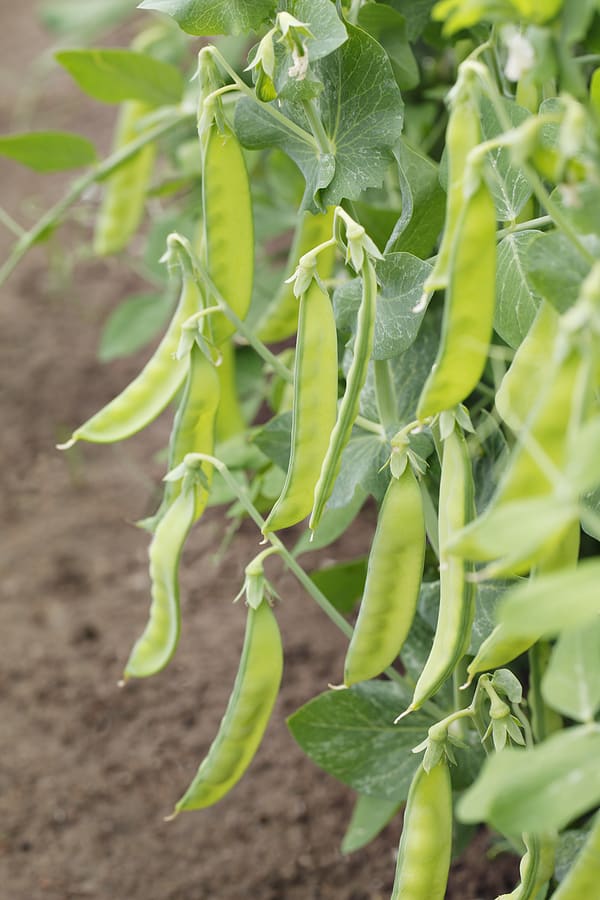
- Pick when pods are plump but still tender and seeds are small and soft.
- Pods should feel firm to the touch but not hard.
Tips from My Garden
- Check daily once pods begin swelling; bush limas often produce several pods at once.
- Harvest in the morning for best flavor—beans are sweeter and firmer.
- Frequent picking encourages more flowers and continued pod set.
2. Shelling Lima Beans (Mature Stage)
Timing
- Allow pods to grow full-sized and slightly firm.
- Seeds inside should fill the pod completely but still be soft enough to snap easily.
Harvesting Method
- Gently snap pods off the vine or cut with scissors.
- Shell immediately or refrigerate pods for a day or two.
- For large bush or pole limas, stagger harvests over 1–2 weeks to catch pods at peak maturity.
Experience Tip
- I often shell beans over a large bowl outdoors to save pods and avoid spills.
- Avoid leaving fully mature pods on the vine too long—beans can toughen and lose sweetness.
3. Dry Lima Beans (Storage Stage)
Timing
- Leave pods on the vine until they turn tan or brown and dry completely.
- Beans inside should rattle freely when shaken.
Harvesting Method
- Pull entire vines for pole limas or cut bush plants at the base.
- Remove pods and allow to air-dry further if needed.
- Shell seeds after thorough drying and store in airtight containers in a cool, dry place.
Experience Notes
- Drying in a well-ventilated area prevents mold.
- Dry beans are excellent for long-term storage and can be replanted the following season.
General Harvesting Tips
- Use sharp scissors or pruners for pole limas to avoid vine damage.
- Check plants every 2–3 days during peak production.
- Avoid wet harvesting—moisture can encourage disease.
- Staggered harvests maximize yield and reduce pod waste.
My Lima Bean Harvest Rule of Thumb
- Baby/Fresh beans: plump, tender pods
- Shelling beans: fully grown, soft seeds
- Dry beans: brown, hard seeds, fully dried
Following this method over decades has consistently given me flavorful beans, high yields, and plenty of seed for the next season.
Lima Beans Learning Hub
Start here: How to Plant, Grow, and Harvest Lima Beans: A Complete Guide
Introduction to Lima Beans
- About Lima Beans: History, Botany, and How They Differ from Other Beans
- The Best Lima Bean Varieties to Grow: Bush, Pole, Baby, and Large-Seeded Types
- Lima Bean Quick Growing Tips: Fast Reference Guide for Planting Through Harvest
- How to Grow Lima Beans for Warm Climates
Planting Lima Beans
- Where to Plant Lima Beans: Best Soil, Sun, and Garden Bed Preparation Tips
- When to Plant Lima Beans: Seasonal Timing for Bush and Pole Varieties
- How to Plant and Space Lima Beans: Row, Hill, and Trellis Planting Methods
- Lima Bean Companion Plants: What to Grow (and Avoid) Nearby
- Growing Lima Beans in Containers: Best Pot Sizes, Supports, and Soil Mixes
Caring for Lima Beans
- How to Water and Fertilize Lima Beans for Vigorous Growth and High Yields
- Lima Bean Care Guide: Mulching, Weeding, Trellising, and Midseason Maintenance
- Lima Bean Pests and Diseases and Organic Controls
Harvesting, Storage, and Kitchen