How to Grow Bromeliads: A Beginner’s Guide to the Top Indoor Varieties

Bromeliads are some of the most striking and low-maintenance houseplants you can grow. With their bold foliage, colorful blooms, and unusual shapes, they bring a touch of the tropics indoors—and they’re surprisingly easy to care for. Whether you’re a first-time plant parent or an experienced indoor gardener, bromeliads can brighten any corner of your home.
Why Bromeliads Make Great Indoor Plants
Bromeliads are part of a large family of tropical plants that naturally thrive in warm, humid environments. What makes them perfect for indoor gardening?
- Low maintenance: Many bromeliads require minimal watering and tolerate a range of light conditions.
- Long-lasting blooms: Their colorful flowers can last for weeks or even months.
- Unique shapes: From rosettes to cascading spikes, bromeliads add texture and interest to any indoor space.
- Air purification: Like other tropical plants, they help improve indoor air quality.
Basic Bromeliad Care
Light: Bright, indirect light is ideal. Too much direct sun can scorch their leaves, while too little light may prevent flowering.
Water: Bromeliads are unique in that they store water in a central “cup” formed by their rosette of leaves. Keep this cup filled with water, refreshing it every week. Water the soil lightly, allowing it to dry slightly between waterings.
Know What to Plant This Week
Every week I answer the gardener's most important question: what should I plant now? Get seasonal planting advice free — or go Pro for my full Soil Temperature Garden Report, with soil temperature, moisture, weather trends, and crop-by-crop recommendations.
Humidity: Bromeliads enjoy humidity. Mist leaves occasionally or place the plant near a humidity tray if your home is dry.
Temperature: These tropical plants thrive in 60–80°F (15–27°C) and should be protected from drafts or sudden temperature changes.
Fertilizer: Feed with a diluted, balanced liquid fertilizer once a month during the growing season. Avoid over-fertilizing, which can damage the plant.
Top Bromeliads for Indoor Gardens
Here are some of the most popular bromeliads for indoor growing:
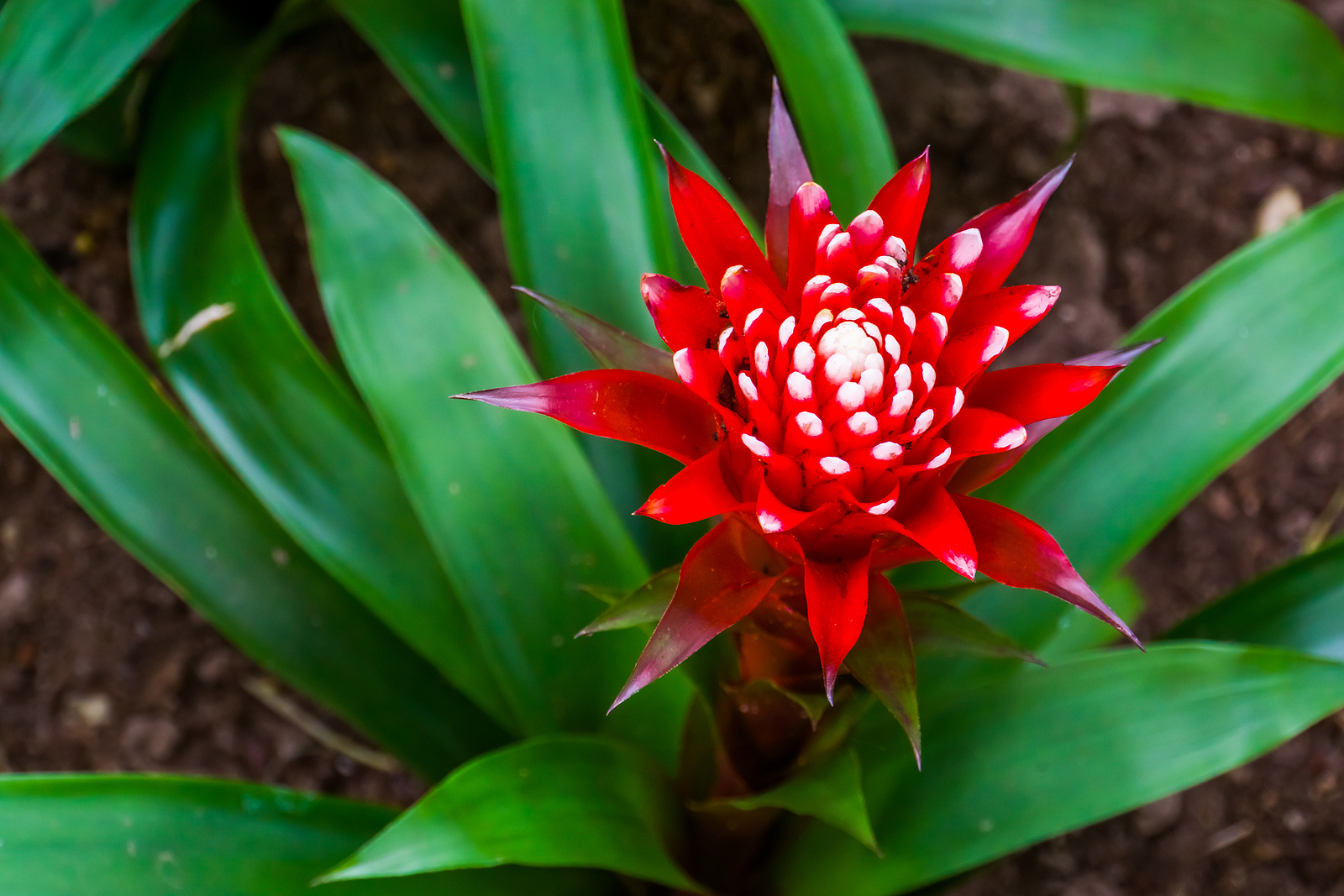
- Guzmania – Known for its vibrant red, yellow, or orange flower spikes, Guzmania is a classic indoor bromeliad. Its bright blooms make it a stunning centerpiece. Commonly called Scarlet Star.
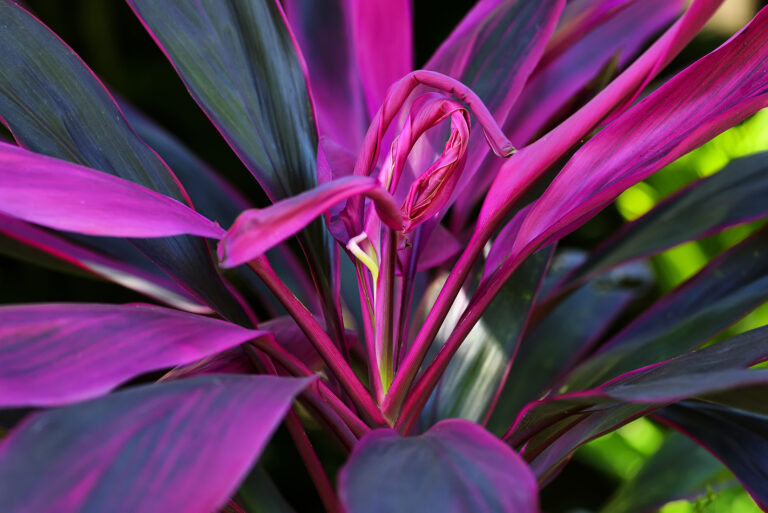
- Neoregelia – Famous for its colorful, cup-shaped rosettes, Neoregelia is prized for foliage color rather than flowers. It’s perfect for tabletops or terrariums. Commonly called Painted Leaf.
- Aechmea – Often called the “Urn Plant,” Aechmea produces striking, long-lasting flowers that can bloom for several months. Its bold structure adds height and drama to your indoor garden. Commonly called Urn Plant or Silver Vase.
- Billbergia – With tubular flowers and arching leaves, Billbergia adds an elegant, cascading look. Ideal for hanging baskets or high shelves. Commonly called Vase Plant or Cigar Plant.
- Vriesea – Vriesea bromeliads have patterned leaves and brightly colored flower spikes. They’re great for brightening up corners and require minimal care. Commonly called Flaming Sword.
Final Tips for Success
- Remove any dead leaves or faded flowers to keep your bromeliad looking its best.
- Many bromeliads produce “pups” or offsets after flowering. These can be separated and potted to grow new plants.
- Experiment with placement in your home—bromeliads can thrive in bathrooms, kitchens, or living areas as long as they get bright, indirect light.
With a little attention, bromeliads can reward you with vibrant colors and exotic flair year-round. Even beginners can enjoy the tropical beauty these unique plants bring indoors.
Indoor Bromeliad Reference Chart
| Bromeliad | Light | Water | Bloom Color | Notes |
|---|---|---|---|---|
| Guzmania | Bright, indirect | Keep cup filled; soil lightly moist | Red, yellow, orange | Classic centerpiece; long-lasting flowers |
| Neoregelia | Bright, indirect | Keep cup filled; occasional soil watering | Foliage color (red, purple) | Best for colorful rosettes; flowers secondary |
| Aechmea | Bright, indirect | Cup and soil watered lightly | Pink, red, blue | Dramatic, tall structure; blooms last months |
| Billbergia | Bright to medium indirect | Keep cup filled; soil dries slightly | Purple, pink, red | Cascading form; great in hanging baskets |
| Vriesea | Bright, indirect | Cup filled; soil lightly moist | Red, yellow, orange | Patterned leaves; low-maintenance and striking spikes |
Tips: Refresh the water in the central cup weekly, mist occasionally, and remove dead leaves. After flowering, separate pups to grow new plants.