How to Grow and Care for Daboecia

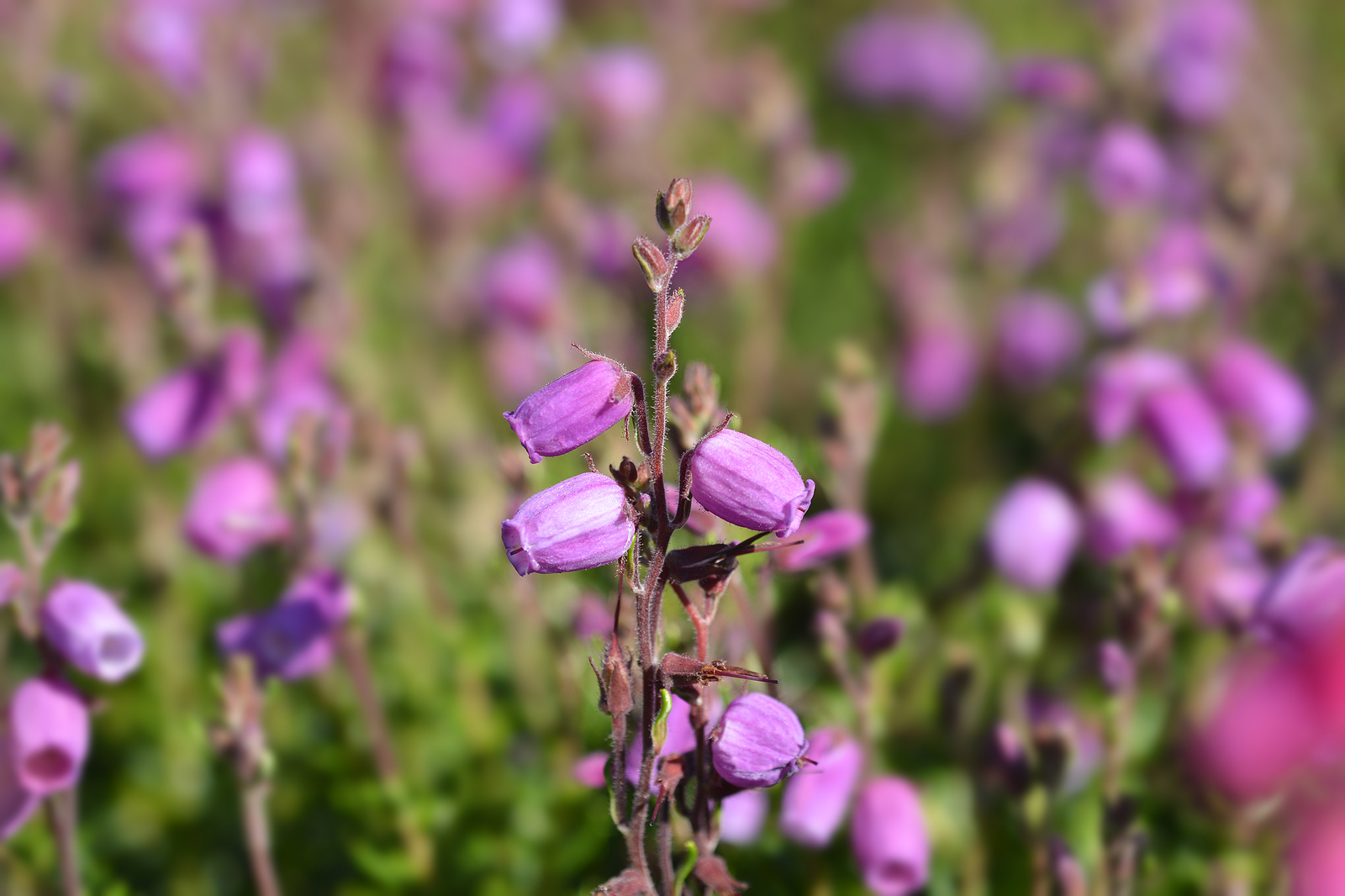
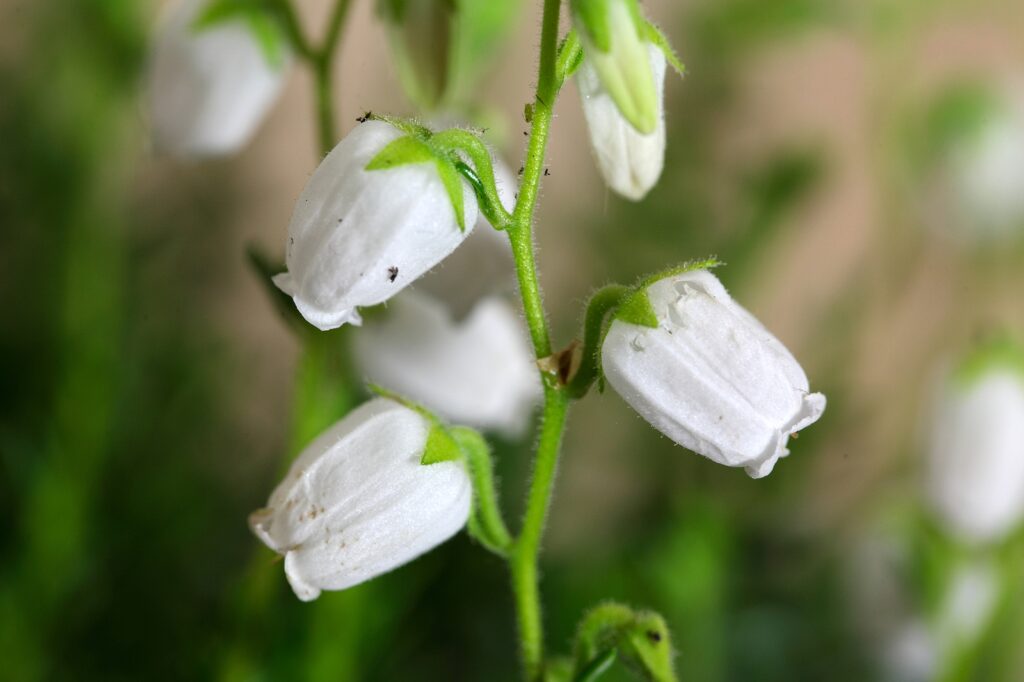
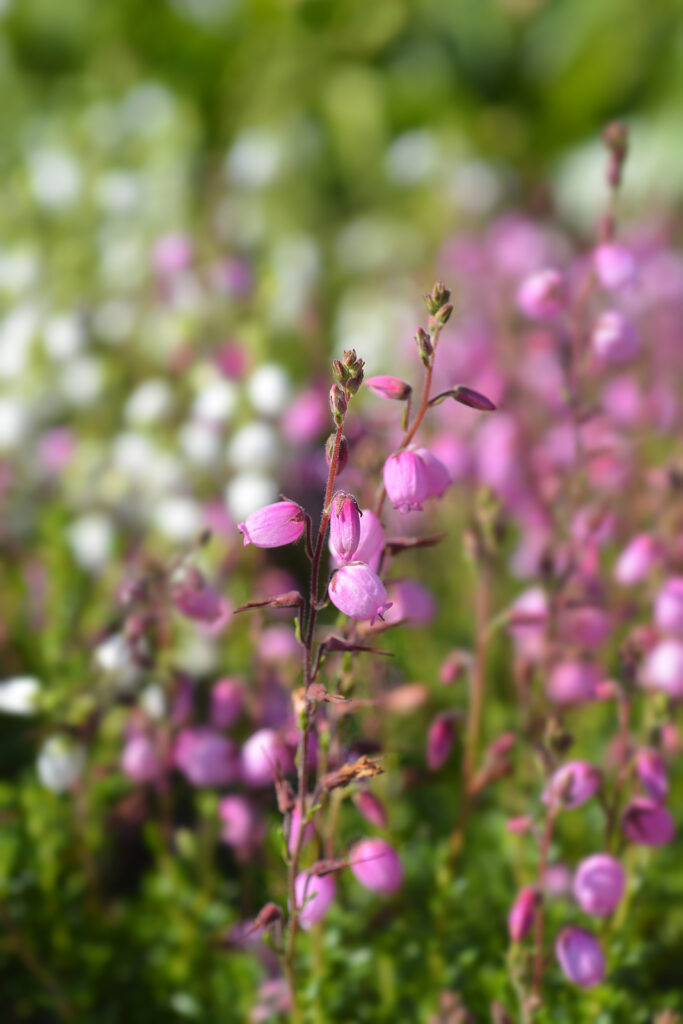
Daboecia, commonly known as Irish heath or St. Dabeoc’s heath, is a small genus of evergreen shrubs known for their bell-shaped flowers and attractive foliage. They are particularly popular in rock gardens, borders, and heather gardens. The most common species used in gardens is Daboecia cantabrica, prized for its long blooming period and vibrant flower colors, ranging from white to deep pink and purple.
Whher to Plant Daboecia
Daboecia thrives best in specific conditions:
- Light: Prefers full sun to partial shade. It will flower more profusely in full sun but appreciates some afternoon shade in hotter climates.
- Soil: Requires well-drained, acidic soil with a pH of 4.5-6.0. It is ideal for growing in peat-rich or sandy soils that mimic its natural habitat.
- Climate: Hardy in USDA zones 6-9. It can tolerate cooler temperatures and light frost but may need some protection in regions with harsh winters.
How to Plant Daboecia
- Best Time to Plant: Spring or early fall is the best time to plant Daboecia to allow the plant to establish roots in mild conditions.
- Planting Steps:
- Prepare the Soil: Amend the soil with peat moss, compost, or other organic matter to improve its acidity and drainage if needed.
- Dig the Hole: Make a hole that is twice as wide and slightly deeper than the root ball.
- Position the Plant: Place the plant in the hole so that the top of the root ball is level with the surrounding soil.
- Backfill the Hole: Fill in around the roots with the amended soil, pressing down gently to remove air pockets.
- Water Thoroughly: Give the plant a good watering to help settle the soil around the roots.
Caring for Daboecia
Watering
- Regular Watering: Keep the soil consistently moist but not waterlogged, especially during the first growing season. Water the plant during dry spells to prevent the soil from drying out.
- Drought Tolerance: Once established, Daboecia can tolerate some dryness, but it generally prefers a consistently moist environment.
Fertilizing
- Light Feeding: Fertilize lightly in spring with an acidic plant fertilizer, such as a rhododendron or camellia formula, to promote healthy growth.
- Organic Options: A top dressing of compost in spring can also provide nutrients and improve soil structure.
Pruning
- Light Pruning for Shape: After flowering, trim back the plant lightly to remove spent blooms and encourage bushier growth.
- Avoid Hard Pruning: Avoid cutting back too far into old wood, as Daboecia does not respond well to heavy pruning.
Mulching
- Apply a Layer of Mulch: Mulch around the base of the plant with pine needles, bark, or other acidic organic material to help retain soil moisture and suppress weeds.
- Keep Mulch Away from the Stems: Ensure the mulch does not touch the stems to avoid rot.
Winter Protection
- Mulch in Late Fall: Apply a thicker layer of mulch in late fall to protect the roots from frost.
- Sheltered Location: In colder regions, plant Daboecia in a sheltered spot to protect it from harsh winter winds.
Propagating Daboecia
Daboecia can be propagated by cuttings or division:
Semi-Hardwood Cuttings:
Know What to Plant This Week
Every week I answer the gardener's most important question: what should I plant now? Get seasonal planting advice free — or go Pro for my full Soil Temperature Garden Report, with soil temperature, moisture, weather trends, and crop-by-crop recommendations.
- Take cuttings from semi-hardwood stems in late summer.
- Dip the cut end in rooting hormone and plant in a well-draining medium, keeping it moist until roots develop.
Division:
- In early spring, divide mature clumps.
- Replant the divisions in the garden or containers with well-draining, acidic soil.
Pests and Diseases
Daboecia is generally resistant to pests and diseases, but some issues can still arise:
- Aphids: Occasionally, aphids may infest the plant. Use insecticidal soap or a strong water spray to remove them.
- Root Rot: Poorly drained soils can lead to root rot. Ensure the soil is well-drained, and avoid overwatering.
- Powdery Mildew: Can occur in humid conditions. Improve air circulation around the plant by spacing it properly and pruning back any congested growth.
How to Use Daboecia in the Garden
- Rock Gardens: The low, spreading habit and attractive flowers make it a perfect choice for rock gardens.
- Borders and Edges: Plant along the edges of garden beds, paths, or borders for a charming display.
- Heather Gardens: Combine with other acid-loving plants like heathers (Calluna) and heaths (Erica) for a beautiful heath garden.
- Containers: Grow in containers with acidic potting mix if garden soil is not suitable.
Benefits of Growing Daboecia
- Long Blooming Season: Flowers from late spring to early fall, providing continuous color.
- Attracts Pollinators: The bell-shaped flowers attract bees and other pollinators.
- Evergreen Foliage: The small, glossy leaves provide year-round interest.
Davoecia Varieties
- Daboecia cantabrica ‘Alba’: A white-flowered variety that brings a bright contrast to the garden.
- Daboecia cantabrica ‘Atropurpurea’: Features deep purple flowers that add rich color.
- Daboecia cantabrica ‘Praegeri’: A compact form with pink flowers, ideal for small gardens or container planting.
Daboecia Summary
Growing Daboecia in the garden adds a unique touch with its bell-shaped flowers and evergreen foliage. This plant is well-suited for rock gardens, borders, and heather gardens, especially in areas with acidic soil. With proper planting, watering, and occasional pruning, Daboecia will thrive and bring beauty to the garden throughout the year. Its hardiness and low maintenance requirements make it a great choice for gardeners seeking a reliable, ornamental shrub.