How to Build Healthy Soil Before Spring

Healthy spring gardens are built long before seeds ever go into the ground. In my experience gardening year-round in Sonoma Valley—mostly in raised beds, mounded beds, and containers—the quiet winter months are when soil does its most important work. This is the season I focus less on planting and more on protecting, feeding, and supporting the living system beneath the surface.
Regenerative gardening starts with soil biology, not soil disturbance. Here’s how I build healthy soil before spring, using no-till, regenerative practices that consistently lead to stronger plants and better harvests.
Leave the Soil Undisturbed
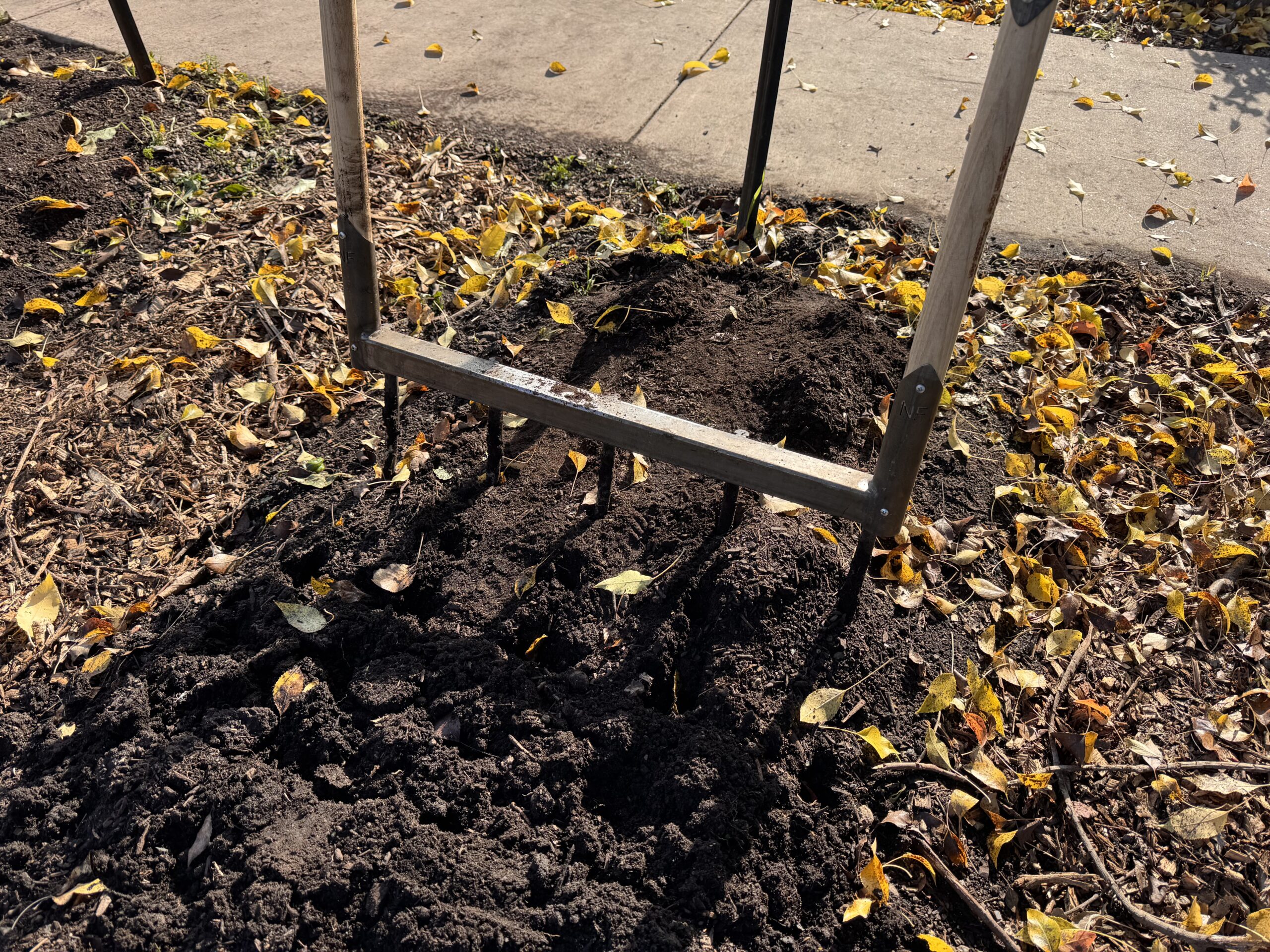
One of the most important things I don’t do before spring is till. Tillage breaks fungal networks, disrupts microbial communities, and collapses soil structure just as it’s beginning to recover from the growing season.
Instead, I let roots, worms, fungi, and microbes do the work. Old crop roots are left in place to decompose naturally, creating channels for air, water, and future roots. Over time, this builds crumbly, resilient soil that drains well yet holds moisture.
Keep Soil Covered All Winter
Bare soil is vulnerable soil. Throughout winter, I make sure every bed is protected with living plants or organic cover.
Depending on the bed, that might mean:
- Actively growing winter vegetables
- Cover crops like legumes or grains
- A thick layer of compost, leaf mold, or straw
This cover buffers soil temperatures, reduces erosion from winter rains, and provides a steady food source for soil organisms. By spring, covered beds are noticeably darker, softer, and more biologically active.
Feed the Soil, Not the Plants
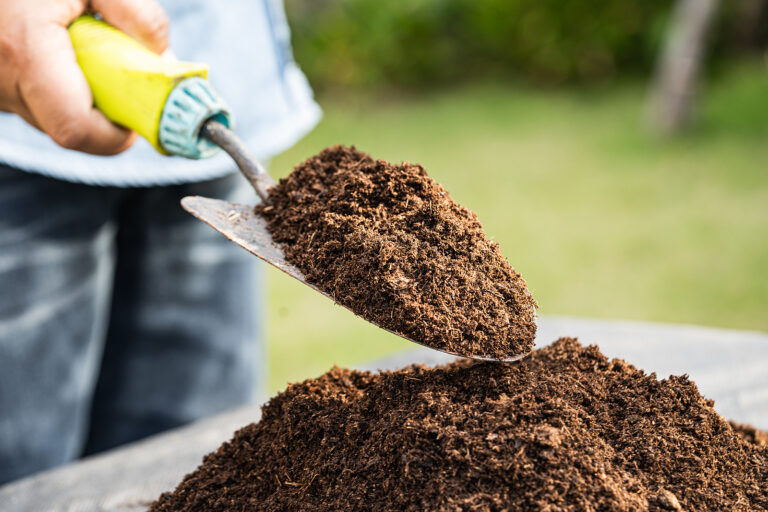
Before spring, I focus on slow, biological inputs rather than quick fertilizers. Compost is my primary amendment—applied as a surface layer, never dug in. Rain, worms, and microbes gradually move nutrients downward where plants can access them later.
If a bed needs extra support, I may add:
- Finished compost
- A light dusting of worm castings
- Natural mineral amendments, applied sparingly
The goal is balance, not force. Healthy soil feeds plants when conditions are right.
Manage Winter Moisture Carefully
Winter rain is a gift—but only if soil structure is intact. Because I don’t till, my beds absorb water rather than shedding it. I avoid walking on wet soil and redirect excess runoff when needed to prevent compaction.
Well-structured soil going into spring warms faster, drains better, and supports early root growth without stress.
Observe Before You Act
Late winter is when I spend time observing beds rather than rushing to “fix” them. I look for earthworms, fungal threads, and how water moves through the soil. These clues tell me far more than any test kit.
When soil life is thriving, spring planting becomes easier—and plants establish faster with fewer problems.
The Payoff in Spring
By the time spring arrives, my soil is already alive, structured, and ready to support new growth. There’s less need for corrective inputs, fewer nutrient issues, and stronger early growth across crops.
Building healthy soil before spring isn’t about adding more—it’s about protecting what’s already there and letting nature work on its own timeline.