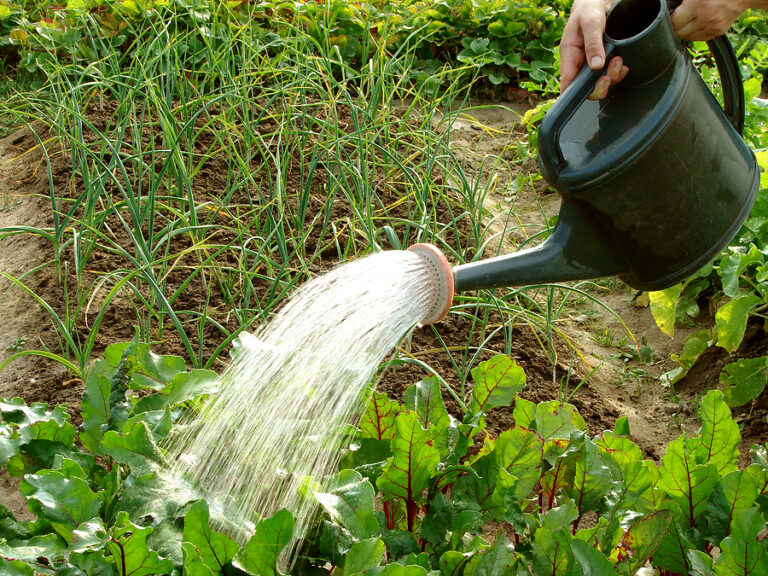
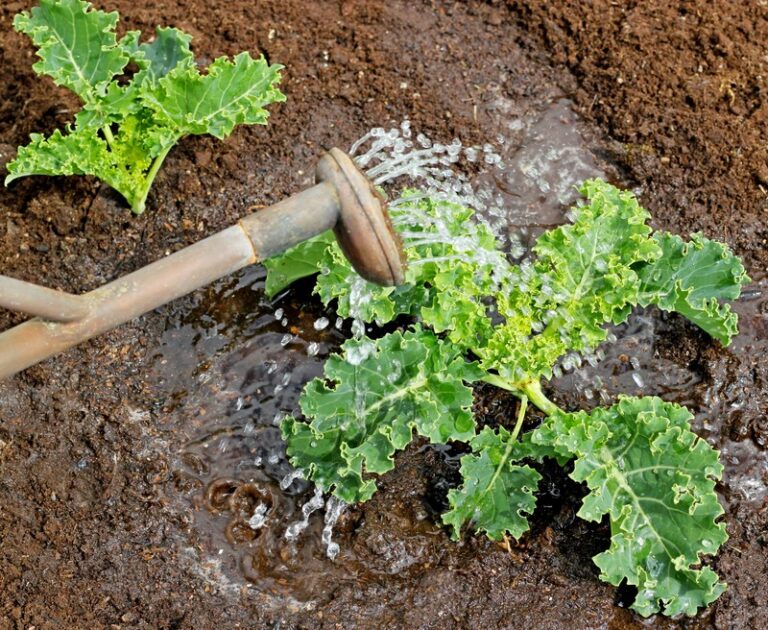
How to Avoid Overwatering Seedlings in the Greenhouse and in the Garden

Overwatering is the most common mistake gardeners make with seedlings—more common than underwatering. In my experience growing vegetables year-round in Sonoma Valley, I’ve lost far more seedlings to excess moisture than to drought. Seedlings don’t die from thirst overnight—but they can collapse quickly in wet, airless soil.
Understanding how water behaves in seed-starting mixes and garden beds is the key to strong, resilient plants.
Why Overwatering Harms Seedlings
Seedlings need both water and oxygen at the root zone. When soil stays constantly wet:
- Air pockets fill with water → roots can’t breathe
- Roots become weak and shallow
- Fungal diseases (like damping off) take hold
- Growth slows or stops entirely
In practical terms: wet soil looks safe, but it creates fragile plants.
Step 1: Learn the “Moist, Not Wet” Standard
This is the single most important concept.
Correct moisture level:
- Feels like a wrung-out sponge
- Cool to the touch, but not shiny or muddy
- Holds together lightly when pressed, then crumbles
Too wet:
- Shiny surface or standing water
- Soil feels heavy, sticky, or swampy
- Green algae or mold begins forming
Too dry:
- Pulls away from container edges
- Light-colored and dusty
- Seedlings wilt quickly
Step 2: Water on a Schedule—But Verify First
Never water just because it’s “time.”
Instead:
- Check soil moisture daily (especially in greenhouses)
- Insert your finger ½ to 1 inch deep
- Water only if the top layer is dry but below is slightly moist
Rule of thumb:
- Small cells dry faster → check more often
- Larger pots hold moisture longer → water less frequently
Step 3: Use Bottom Watering Whenever Possible
This is my preferred method for both greenhouse trays and early seedlings.
How to do it:
- Place trays in a shallow pan of water
- Let them absorb moisture from below for 10–20 minutes
- Remove trays once the surface feels slightly damp
- Allow excess water to drain completely
Why it works:
- Encourages deep root growth
- Keeps surface drier (reduces disease)
- Prevents over-saturating the top layer
Step 4: Match Watering to Environment
In the Greenhouse
- Warm days + enclosed space = slower evaporation at soil level
- Humidity stays higher → soil dries more slowly than expected
Adjustments:
- Water less often than you think
- Increase ventilation (open vents, doors)
- Space trays to improve airflow
In the Garden
Outdoor conditions vary more:
- Sun, wind, and soil type affect drying speed
- Raised beds drain faster than in-ground soil
Adjustments:
- Water lightly but deeply
- Let the surface dry slightly between waterings
- Use mulch (after seedlings establish) to regulate moisture
Step 5: Use the Right Containers and Soil
Overwatering is often a drainage problem, not a watering problem.
Always:
- Use containers with drainage holes
- Avoid letting trays sit in standing water
- Use a light, well-draining seed-starting mix
Avoid:
- Garden soil in containers (too dense)
- Reused soil that compacts easily
- Containers without airflow at the base
Step 6: Recognize Early Warning Signs
Catch problems early and you can save your seedlings.
Signs of overwatering:
- Seedlings look droopy despite wet soil
- Stems thin at soil line (damping off)
- Yellowing leaves (especially lower leaves)
- Slow or stalled growth
Immediate fix:
- Stop watering
- Increase airflow and light
- Let soil dry to the “moist” stage before resuming
Step 7: Adjust as Seedlings Grow
Young seedlings need less water than established ones.
As plants mature:
- Roots fill the container → water use increases
- Soil dries faster → watering frequency increases
Your job:
- Gradually increase watering—but never return to soggy soil
My Experience
After more than 30 years of growing vegetables—including decades of starting seedlings in both greenhouse trays and outdoor beds—I’ve found that restraint with water produces stronger plants every time.
In my NEW method (Narrow bed, Equidistant planting in Wide rows), I aim for consistent but never saturated soil. Seedlings grown slightly on the “dry side” develop deeper roots, thicker stems, and better transplant success.
If you remember just one thing, make it this:
Don’t water on habit—water based on soil moisture.
Quick Reference: Avoiding Overwatering
- Check soil before watering—every time
- Aim for “moist, not wet”
- Use bottom watering when possible
- Ensure excellent drainage
- Increase airflow in greenhouse conditions
- Let the surface dry slightly between waterings
- Watch seedlings—not the calendar