From Residue to Humus: How Organic Matter Feeds the Soil

Every season in my garden, I’m reminded that the real work happens after harvest. When I leave stalks, roots, and cover crop residue behind, I’m not neglecting the beds—I’m feeding the soil and setting the stage for healthier crops ahead.
Every harvest leaves something behind—stems, roots, fallen leaves, cover crop residue. To many gardeners, that material looks like debris. To the soil, it’s dinner. What happens next is a quiet, powerful transformation that turns residue into organic matter and, ultimately, humus—the foundation of fertile, resilient soil.
I’ve watched this cycle play out year after year in my own beds. When we stop removing residue and start managing it, the soil changes: it holds water longer, feeds crops more steadily, and becomes easier to work. Understanding this evolution helps you garden with the soil rather than against it.
Stage 1: Plant Residue — The Starting Point
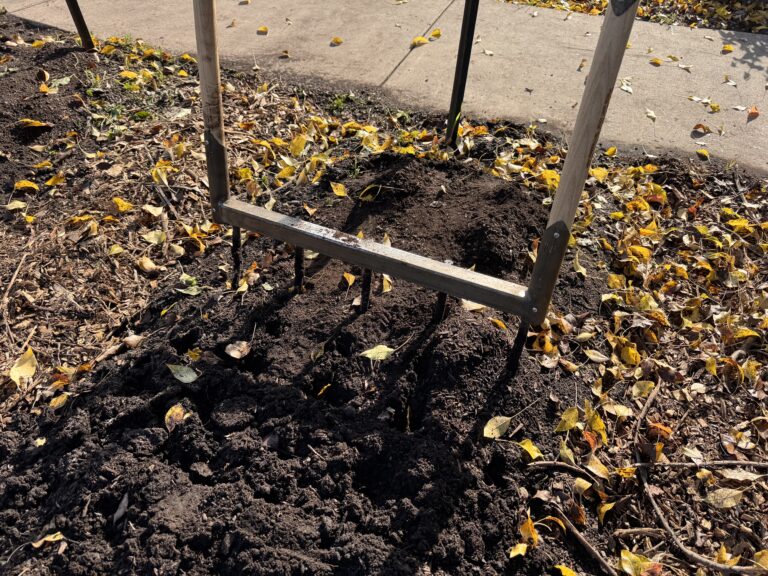
Residue is fresh plant material left on or in the soil: crop stalks, roots, prunings, leaf litter, and cover crops. At this stage, residues are still recognizable as plants. They’re rich in carbon and contain nutrients locked inside complex structures like cellulose and lignin.
Residue performs immediate jobs:
- Shades the soil, moderating temperature and reducing moisture loss
- Protects the surface from erosion and compaction
- Provides habitat for soil organisms that begin the breakdown process
Leaving residue in place—rather than removing or burning it—keeps the soil food web supplied.
Stage 2: Organic Matter — Active Decomposition
As microbes, fungi, insects, and earthworms go to work, residue becomes organic matter. This is the living, dynamic phase of decomposition.
Bacteria and fungi release enzymes that break residues into smaller compounds. Arthropods shred material, increasing surface area. Earthworms mix partially decomposed material into the soil, combining it with minerals and microbial byproducts.
At this stage:
- Nutrients like nitrogen, phosphorus, and sulfur begin to cycle back into plant-available forms
- Carbon fuels microbial activity, increasing biological diversity
- Soil aggregates start to form, improving structure and aeration
Organic matter is temporary by nature—it’s constantly being created and consumed. But it’s essential, because it’s the gateway to humus.
Stage 3: Humus — Stable Soil Wealth
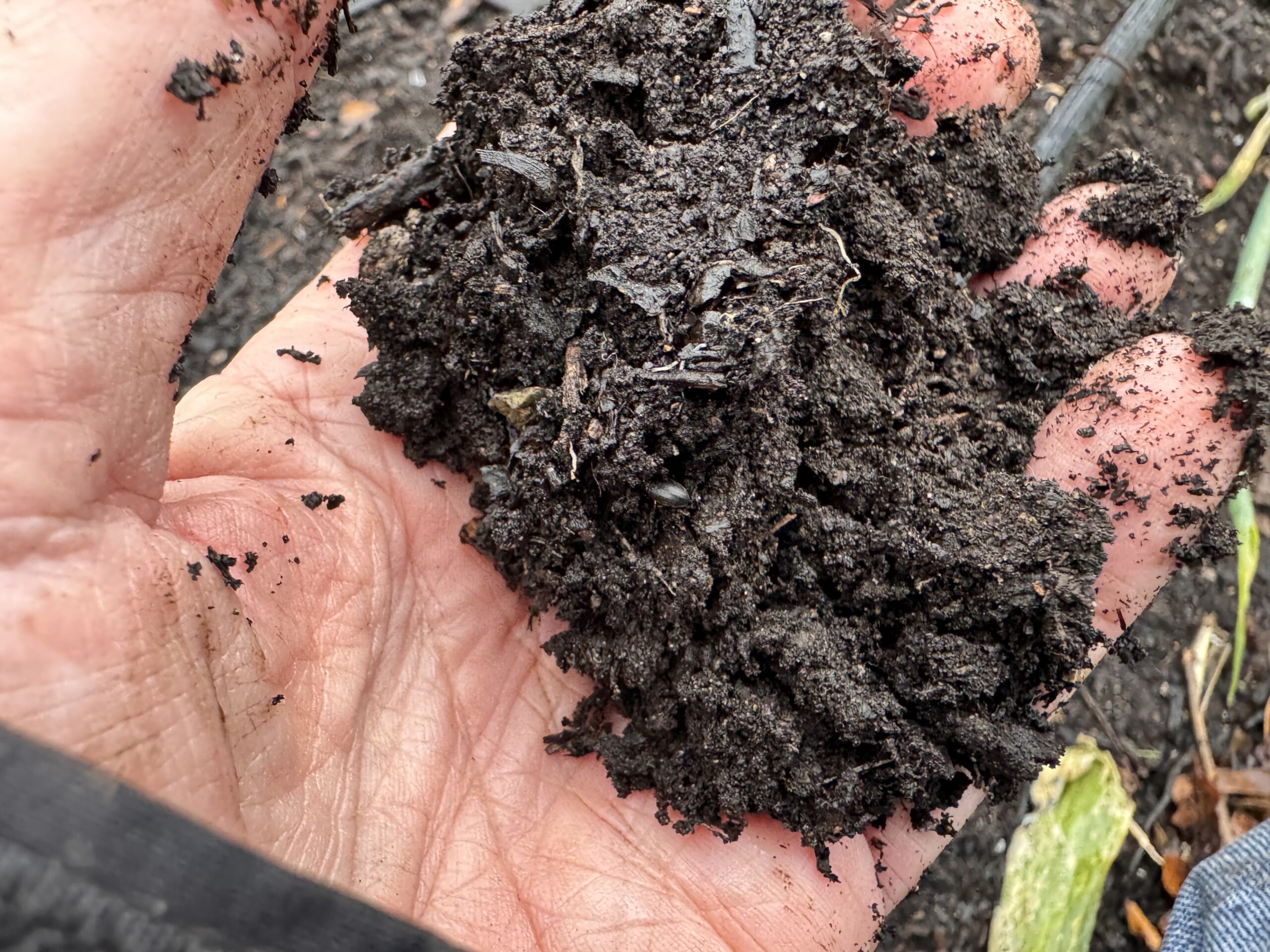
Over time, the most resistant compounds from organic matter are transformed into humus. Unlike fresh residue or active organic matter, humus is dark, stable, and long-lasting. You can’t identify its original source—it’s been fully transformed.
Humus is soil’s long-term savings account.
It:
- Holds nutrients and releases them slowly to plant roots
- Improves water retention while still allowing excess water to drain
- Buffers pH, protecting plants from sudden swings
- Binds soil particles into stable aggregates that resist erosion
While organic matter may turn over in months or years, humus can persist for decades.
The Soil Food Web at Work
This evolution—from residue to organic matter to humus—is driven by the soil food web. Each group of organisms plays a role:
- Bacteria digest simple compounds
- Fungi decompose tough carbon materials and transport nutrients
- Protozoa and nematodes graze microbes, releasing nutrients
- Earthworms and insects mix, aerate, and aggregate soil
Plants feed this system through root exudates, trading sugars for nutrients. The result is a self-reinforcing cycle where living roots and surface residues continuously build humus.
Why This Matters in the Garden
When we remove residue, over-till, or leave soil bare, we interrupt this progression. The soil loses carbon faster than it can rebuild it. But when we:
- Leave crop residue in place
- Use cover crops
- Minimize disturbance
- Add compost thoughtfully
—we speed the conversion of residue into stable humus.
Over time, the soil becomes more forgiving: more productive in dry years, less prone to compaction in wet ones, and better able to feed crops without constant inputs.
Gardening for the Long Game
Healthy soil isn’t built in a single season. It’s built by honoring the slow evolution of plant residue into humus. Each stalk left behind and each root allowed to decompose adds to the soil’s memory and capacity.
When you feed the soil this way, it feeds your garden back—quietly, steadily, and for years to come.