Crop Termination Methods in the No-Till Vegetable Garden

Ending one crop and preparing for the next—without disturbing the soil—is one of the core practices of no-till vegetable gardening. How you terminate a crop affects soil structure, microbial life, earthworms, moisture retention, and the speed at which your next planting can begin. Some crops are best cut off at the soil surface, leaving roots in place to decompose. Others, however, are better fully removed to prevent disease, pests, or regrowth. Knowing the difference keeps a no-till bed productive, healthy, and biologically active year-round.
Why Crop Termination Matters in No-Till Gardening
- Roots left in place decompose into organic matter.
- Old root channels open pathways for water infiltration and the next crop’s roots.
- Microbial communities stay intact rather than disrupted.
- Mycorrhizal networks remain connected, improving nutrient exchange for the next crop.
- Soil structure stays aggregated, preventing compaction and erosion.
But not all crops should be handled the same way. The right termination method depends on root type, disease risk, and likelihood of resprouting.
Crops to Cut at the Soil Surface (Leave the Roots In)
These crops decompose cleanly and safely, leaving beneficial roots behind.
1. Leafy Greens
- Lettuce
- Spinach
- Kale
- Chard
- Asian greens
Why: Small root systems decompose quickly; no risk of regrowth.
2. Legumes
- Peas
- Bush beans
- Fava beans (if not diseased)
Why: Leaves nitrogen in the soil; nodulated roots benefit the next crop.
3. Brassicas
- Broccoli
- Cauliflower
- Cabbage
- Bok choy
Why: Roots rot slowly, improving soil structure. Cut at the base with pruners.
4. Fruiting Annuals
- Tomatoes
- Peppers
- Eggplant
Why: Roots decay well and rarely regrow. Remove all diseased foliage, but leave roots.
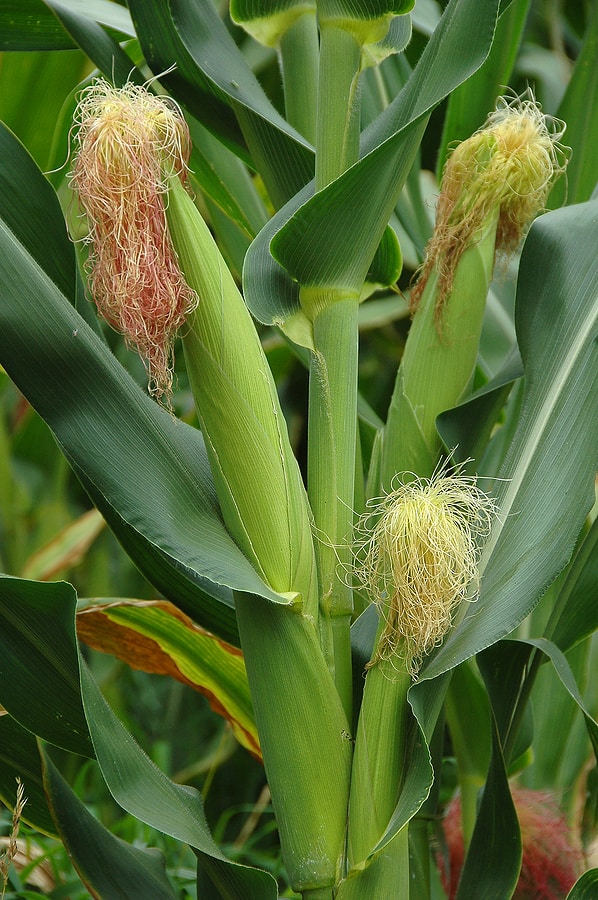
5. Corn and Sunflowers
Why: Deep, fibrous roots create major soil channels. Stalks can be chopped and dropped as mulch.
6. Squash and Cucumbers
Why: Vine crops do not resprout after cutting; roots feed soil organisms.
7. Herbs
- Basil
- Cilantro
- Dill
- Parsley (annual parsley)
Why: Soft roots decompose quickly.
Crops That Should Have Their Root Mass Removed
These crops can harbor pests, spread disease, or aggressively regrow if roots are left in place.
1. Potatoes
Why: Tubers left behind sprout volunteers; can harbor blight or scab.
Method: Gently unearth tubers with minimal soil disturbance.
2. Sweet Potatoes
Why: Large root masses rot slowly and may attract rodents.
Method: Lift with a fork inserted from the bed’s edge to avoid turning soil.
3. Garlic and Onions
Why: Bulbs and basal plates rarely decompose cleanly and can harbor rot pathogens.
Method: Loosen gently and lift, disturbing only the planting row.
4. Beets and Carrots (When Large or Woody)
Why: Big, woody roots rot slowly and can cause cavities in wet soils.
Method: Pull by hand; for stubborn roots, twist slightly to free.
5. Perennial or Semi-Perennial Vegetables
- Artichokes (regrow aggressively)
- Horseradish
- Mint
- Rhubarb
Why: Strong crowns will resprout vigorously.
Method: Dig out crowns carefully; avoid mass turning of soil.
6. Diseased Crops (Any Type)
Examples:
- Powdery mildew on squash
- Tomato blight
- Clubroot in brassicas
Why: Pathogens persist in root material.
Method: Remove entire plant, roots included—dispose, do not compost.
How to Cut Crops at Soil Level (No-Till Technique)
- Use pruners or a hori-hori knife.
- Cut the stem exactly at soil surface.
- Leave root system untouched.
- Chop above-ground biomass and use as mulch if healthy.
- Add ½–1 inch compost and re-mulch before replanting.
How to Remove Root Mass With Minimal Soil Disturbance
- Insert a digging fork from outside the plant’s root zone, angling inward.
- Gently lift without turning soil.
- Shake excess soil off roots; do not crumble bed structure.
- Reapply mulch immediately to protect exposed areas.
Which Method Speeds Up Replanting?
- Cutting at soil surface: Can replant same day, ideal for fast successions.
- Removing root mass: Requires more care; lightly topdress with compost before replanting.
My Experience
Over decades of practice, I’ve learned which crops break down cleanly when left in place and which can cause problems if roots remain. These recommendations come directly from hands-on experience managing raised beds, mounded beds, and in-ground no-till systems, all with the goal of maximizing soil health and minimizing disturbance.
No-Till Crop Termination Chart
CUT AT THE SOIL SURFACE — LEAVE ROOTS IN PLACE
Best for maintaining soil structure, root channels, and microbial networks.
| Crop Category | Crops | Why This Method? |
|---|---|---|
| Leafy Greens | Lettuce, spinach, kale, chard, arugula, bok choy | Small roots decompose quickly; no regrowth. |
| Legumes | Peas, bush beans, fava beans (if healthy) | Nitrogen-fixing roots enrich soil; great for next crop. |
| Brassicas | Broccoli, cabbage, cauliflower, Brussels sprouts | Roots rot slowly, improving soil; stems don’t regrow. |
| Fruiting Annuals | Tomatoes, peppers, eggplant | Roots decay cleanly; leaving them preserves fungal networks. |
| Vine Crops | Cucumbers, melons, pumpkins, summer/winter squash | No regrowth; roots enrich soil biology. |
| Grains & Tall Crops | Corn, sunflowers | Fibrous roots create deep channels for next crop’s roots. |
| Soft Herbs | Basil, cilantro, dill, parsley (annual) | Tender roots disappear quickly; minimal disturbance needed. |
| Cover Crops (non-perennial) | Buckwheat, oats, annual clovers | Cut high; leave root mass and mulch biomass. |
REMOVE ROOT MASS — LIFT CAREFULLY WITH MINIMAL DISTURBANCE
Needed when plants resprout, rot slowly, or harbor pests/disease.
| Crop Category | Crops | Why Remove Roots? |
|---|---|---|
| Root Vegetables | Potatoes | Tubers regrow; can carry disease. |
| Sweet potatoes | Large root mass rots slowly; can attract rodents. | |
| Beets, carrots (large/woody) | Old roots persist and create gaps in soil. | |
| Bulb Crops | Garlic, onions, shallots, leeks | Bulbs and basal plates do not decompose reliably; may rot or regrow. |
| Perennial/Semi-Perennial Veggies | Artichokes, rhubarb, horseradish, mint | Strong crowns will resprout aggressively. |
| Diseased Plants (any crop) | Tomatoes with blight, brassicas with clubroot, squash with severe mildew | Roots may carry pathogens—remove and dispose. |
| Weedy or Invasive Reseeders | Cilantro (bolted), dill (bolted), parsley (2nd year) | Remove entire plant to prevent excessive reseeding. |
QUICK DECISION GUIDE
Leave Roots In (Cut at Soil Surface)
✔ Does the plant break down easily?
✔ Will the roots benefit soil structure?
✔ Is the plant healthy (no disease)?
✔ Will it NOT resprout?
If yes → Cut and leave roots.
Remove Roots
✔ Does the plant regrow from roots or tubers?
✔ Are the roots woody, fibrous, or very large?
✔ Is there any chance of disease?
✔ Will the root mass attract pests?
If yes → Remove carefully, minimizing disturbance.