Carbon Sequestration in the Garden: How Regenerative Practices Build Climate-Positive Soil

Your garden has the power to help fight climate change—one shovelful of soil at a time. Through carbon sequestration, regenerative gardening practices can capture atmospheric carbon and store it underground as organic matter, turning your soil into a long-term carbon sink. The result? Healthier plants, richer soil, and a more resilient planet.
What Is Carbon Sequestration?
Carbon sequestration is the process of pulling carbon dioxide (CO₂) from the air and locking it into the soil. Plants capture CO₂ during photosynthesis, convert it into sugars, and send a portion of those sugars into their roots to feed microbes and fungi. This partnership between plants and soil life stabilizes carbon in organic matter—the foundation of living, fertile soil.
Why Regenerative Gardening Is Climate-Positive
Unlike conventional gardening, which can deplete soil carbon through tilling and chemical fertilizers, regenerative methods restore the carbon cycle by emphasizing living roots, minimal disturbance, and organic inputs. These methods:
- Increase soil organic matter, a stable form of stored carbon.
- Support microbial diversity, strengthening soil structure and fertility.
- Reduce emissions, since compost and cover crops replace synthetic fertilizers.
- Improve resilience, helping gardens retain moisture and withstand drought.
Five Regenerative Practices That Capture Carbon
1. Keep the Soil Covered
Bare soil leaks carbon. Cover crops, mulches, and living groundcovers protect the surface, reducing erosion and retaining carbon in place.
Know What to Plant This Week
Every week I answer the gardener's most important question: what should I plant now? Get seasonal planting advice free — or go Pro for my full Soil Temperature Garden Report, with soil temperature, moisture, weather trends, and crop-by-crop recommendations.
2. Grow Year-Round Root Systems
Living roots drive carbon deep underground. Succession planting and off-season cover crops maintain photosynthesis year-round, continually feeding soil microbes.
3. Add Organic Matter Regularly
Compost, leaf mold, and decomposed mulch increase soil carbon stocks while enhancing texture, aeration, and microbial life.
4. Disturb the Soil Less
Tillage releases carbon as CO₂. No-till or minimal-till gardening preserves aggregates, organic matter, and fungal networks that stabilize carbon.
5. Support the Soil Food Web
Earthworms, fungi, and bacteria convert carbon into humus, the most stable form of organic carbon in soil. Encouraging biodiversity helps carbon stay where it belongs—underground.
My Experience
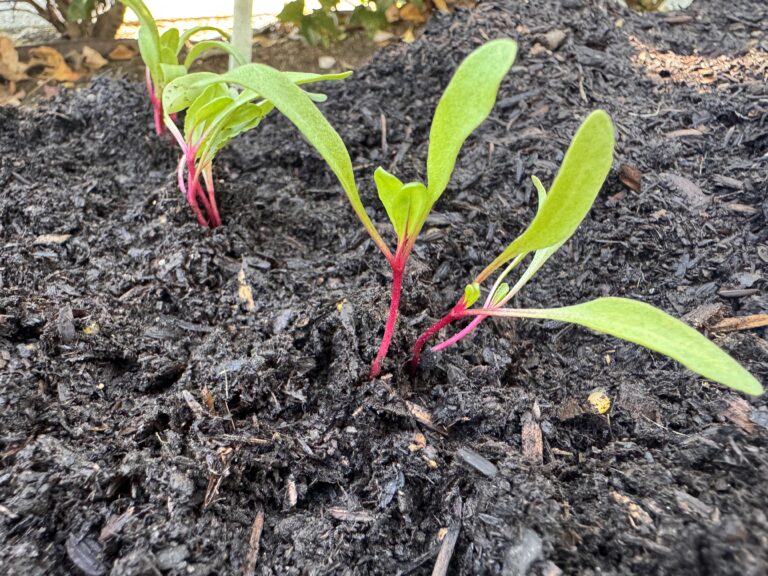
After years of regenerative gardening—rotating crops, using compost instead of fertilizers, and keeping soil covered—my garden soil has grown darker, more crumbly, and full of life. That color shift isn’t just cosmetic; it’s the visible sign of carbon storage. Each growing season, my beds become richer, more fertile, and better equipped to handle both drought and heavy rain.
The Regenerative Takeaway
Carbon sequestration isn’t an abstract environmental concept—it’s something every gardener can achieve. By feeding the soil, avoiding unnecessary disturbance, and keeping living roots in the ground, you transform your garden into a carbon-capturing ecosystem.
Each compost pile, cover crop, and mulch layer represents an act of regeneration—a way to heal the planet from the ground up.