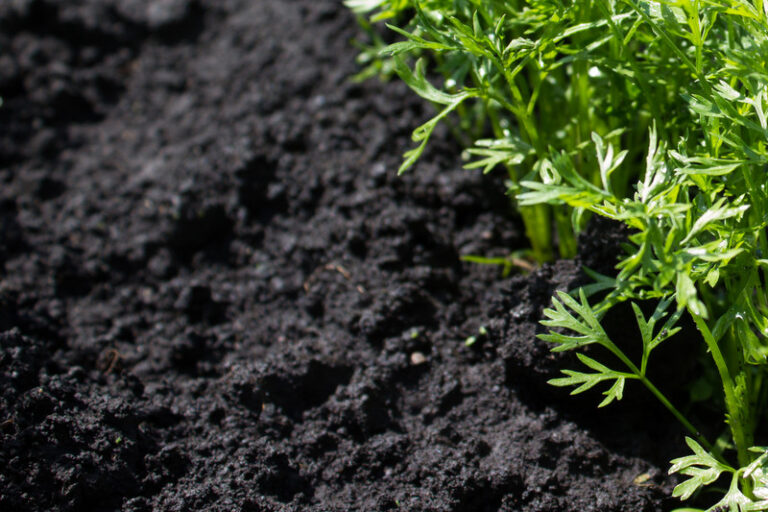
Compost: The Engine of Soil Life and Plant Growth

Compost is more than a soil amendment—it’s the engine of soil life and the foundation of regenerative vegetable gardening. Every handful of well-made compost teems with beneficial microbes, organic matter, and nutrients that fuel the biological systems plants depend on. When you feed your soil with compost, you’re not just adding fertility—you’re activating life.
Why Compost Is Central to Regenerative Gardening
In regenerative systems, the goal isn’t to feed the plant directly but to nourish the soil ecosystem that supports it. Compost does exactly that. It replenishes the carbon and organic material that microbes, fungi, and earthworms need to thrive, while improving soil texture, water retention, and structure. Over time, compost transforms lifeless dirt into a living, breathing medium capable of sustaining abundant growth with fewer external inputs.
How Compost Powers Soil Health
- Feeds Microbial Life: Compost introduces diverse bacteria and fungi that drive nutrient cycling and suppress disease.
- Improves Soil Structure: Organic matter binds particles together into stable aggregates, enhancing air and water movement.
- Increases Water Retention: Soils rich in compost hold moisture longer, reducing irrigation needs.
- Supplies Balanced Nutrients: Compost releases nutrients slowly, keeping plants nourished throughout the season.
- Reduces Waste: Garden and kitchen scraps become valuable resources, closing the loop in your growing system.
My Experience
After 30 years of growing vegetables, I’ve learned that composting is the most powerful act of regeneration in the garden. Each year, as I add compost to my raised beds, the soil becomes darker, softer, and more alive. Earthworms multiply, roots spread deeper, and plants show greater resilience to drought and stress. Composting doesn’t just feed plants—it restores the cycle of life beneath them.
Making and Using Compost Effectively
- Balance ingredients: Combine greens (nitrogen-rich) like kitchen scraps with browns (carbon-rich) like leaves or straw.
- Keep it moist but not soggy: Microbes need moisture to break down materials efficiently.
- Turn regularly: Aeration keeps decomposition active and odor-free.
- Apply seasonally: Top-dress beds with 1–2 inches of compost each spring and fall.
- Use as a living mulch: Spread compost around growing plants to protect soil and feed roots over time.
The Regenerative Takeaway
Compost is the cornerstone of a self-sustaining garden. It transforms waste into fertility, fuels soil biology, and builds resilience from the ground up. In a regenerative vegetable garden, compost is not an optional input—it’s the living heart of the entire system.