Vines

  • How to Grow Passiflora — Passionflower

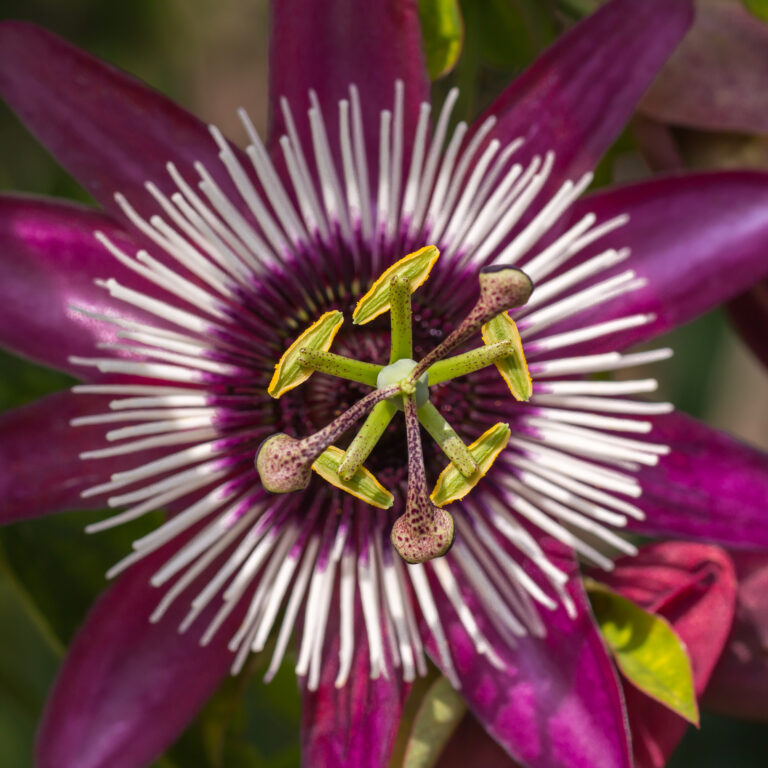
    Passiflora–commonly called passionflowers–are grown for their large, showy, fringed flowers. They often bloom in rare shades of blue, and some are scented. Passionflowers also produce edible fruit. Passiflora quickly covers arbors, pergolas, fences, and garden structures with lush, glossy foliage. Several species of Passiflora can be grown as houseplants. Indoors passionflower must be trained on…
  • How to Grow Bougainvillea

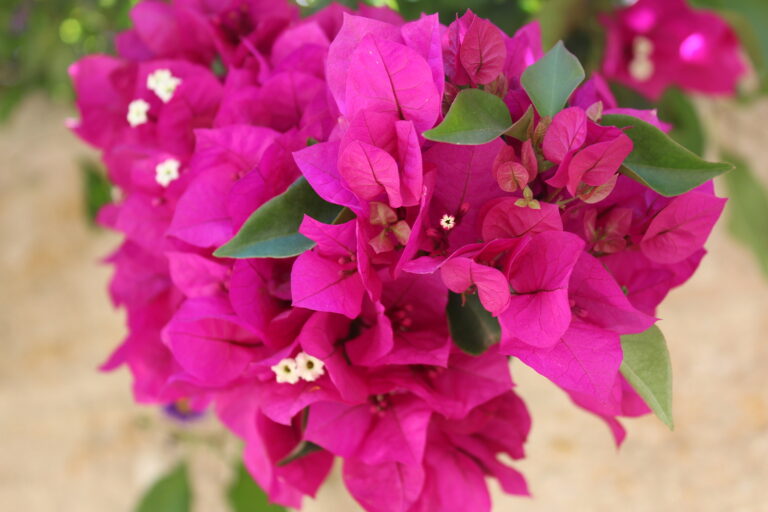
    Bougainvillea is a flamboyant addition to the landscape. It can also be grown as a houseplant. The brilliant colored crepe-paper-like blooms can nearly cover the plant. Bougainvillea has arching, sprawling, thorny stems. The stems can be trained and tied as a climbing vine, forming a thick canopy of foliage and blazing flowers. Bougainvillea can also…

  • How to Prune a Vine

    Prune vines to improve the form of the plant. Prune vines to benefit the parts of the plant that remain. Prune vines to increase flower or fruit production. If you considered the growth habit of the vine and the space to be covered when selecting the vine, pruning will not be difficult; it will almost…

  • Designing with Vines

    Vines create tremendous vertical effects while using little horizontal space. They can be an asset to a garden’s color, texture, and form. If a garden is small, with a lot of wall or other vertical space, vines become an important design element. Vines can complement architecture or other hardscape in a garden or landscape. Vines…

  • How to Grow Wisteria

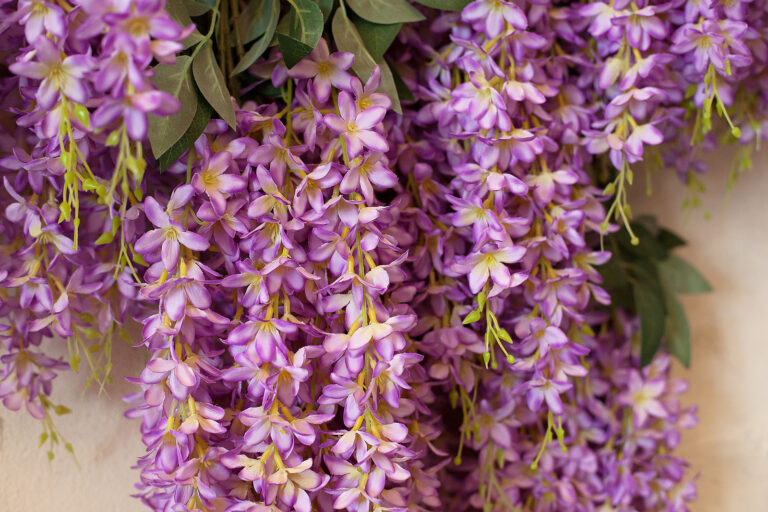
    Wisterias are among the most beautiful of all climbers. Their violet-blue, purple, pink, or white flowers hang in long, elegant trails in late spring and early summer before the plant’s feathery foliage is fully unfurled. Wisterias are twining, woody, deciduous climbers grown for their showy, pea-like, fragrant flowers borne in pendent racemes. Wisterias can be…