Planting

  • Ferns in the Garden

    Ferns are valued in the garden for the great beauty of their leaves, the endless variety of forms, and the range of subtle shades of green. A well-grown fern is always pleasing and does not depend upon a special season for its chief appeal, as flowering plants do. Ferns are comparatively easy to grow. They…

  • How to Transplant Plants

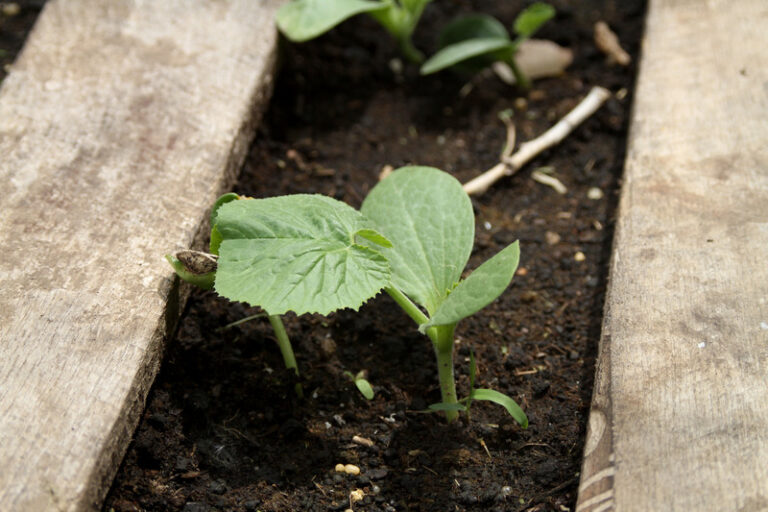
    Transplanting is the process of removing plants from one place and resetting them in another. Small plants such as seedlings and large plants such as trees can be transplanted. Transplanting seedlings When small seedlings are lifted from the rows in seed flats, cell packs, or pots, separated and replaced in other pots, the term “pricking…

  • Planting Flowering Bulbs

    Flowering bulbs are divided into two categories: spring-blooming bulbs and summer-blooming bulbs. Spring-blooming bulbs are planted in autumn. Spring-blooming bulbs include tulips, daffodils, crocuses, hyacinths, scilla, and grape hyacinths. Summer-blooming bulbs are planted in late winter and early spring. Summer-blooming bulbs include cannas, dahlias, gladioli, and lilies. Bulbs are seasonal; you must purchase them near…

  • How to Plant Perennials

    Perennial plants offer an immense variety of shape, form, color, texture, and scent. There are perennials suitable for nearly every garden. Perennials are herbaceous plants–meaning they are not woody. A perennial commonly lives for 3 to 5 years, some much longer. Whereas trees and shrubs give structure to garden design, perennials contribute a great deal…

  • How to Plant Roses

    Roses are not difficult to grow. To grow roses in your garden all you need to do is meet their basic needs: choose a suitable site, prepare the soil, and select the right roses for the location. Roses are long-lived—most roses will be in the garden for 20 years or more. In exchange for the…