Blanching Cauliflower: Why and How to Do It

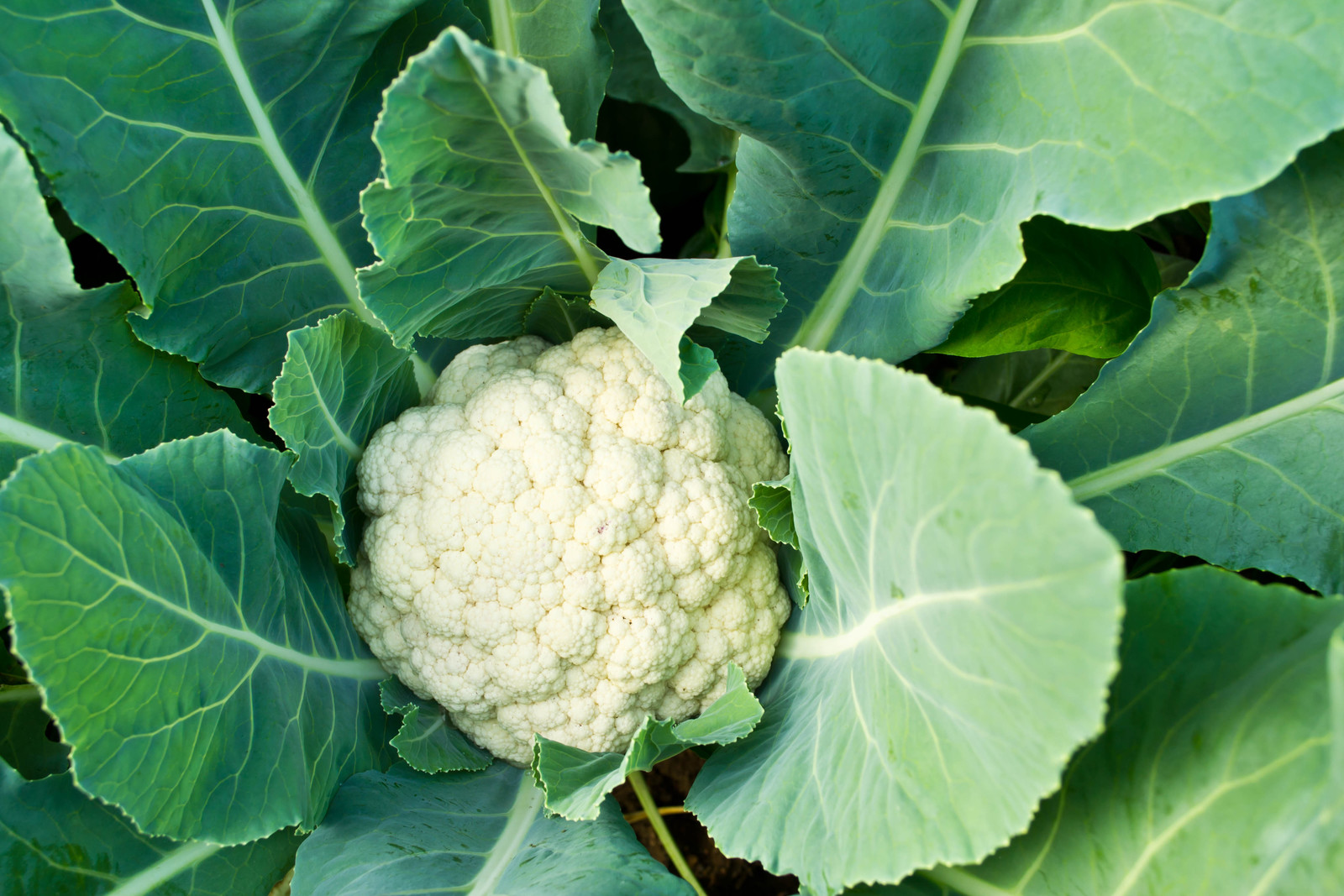
Cauliflower is unique among vegetables because its curds are naturally white but can discolor or develop a bitter flavor if exposed to sunlight. In my 30+ years of gardening, I’ve learned that blanching—the process of shielding the curd from light—is the key to tender, sweet, and visually appealing heads.
This guide explains why blanching matters and how to do it properly, combining personal experience with horticultural best practices.
Why Blanch Cauliflower
- Preserves Color
- Exposure to sunlight causes chlorophyll production, turning curds green or yellow.
- White curds are preferred for flavor and presentation.
- Improves Flavor
- Blanching prevents bitterness caused by sunlight and stress.
- Properly blanched heads are tender, sweet, and mild.
- Protects from Sunburn
- Even partial sun can toughen curds or cause small brown spots.
From my experience: Blanching is especially important for mid-summer and fall crops, when sun intensity is highest and days are longer.
When to Blanch
- Begin blanching when the curd is 2–3 inches across.
- Check daily: leaves may need adjustment as the head grows.
How to Blanch Cauliflower
Method 1: Leaf Tie (Traditional)
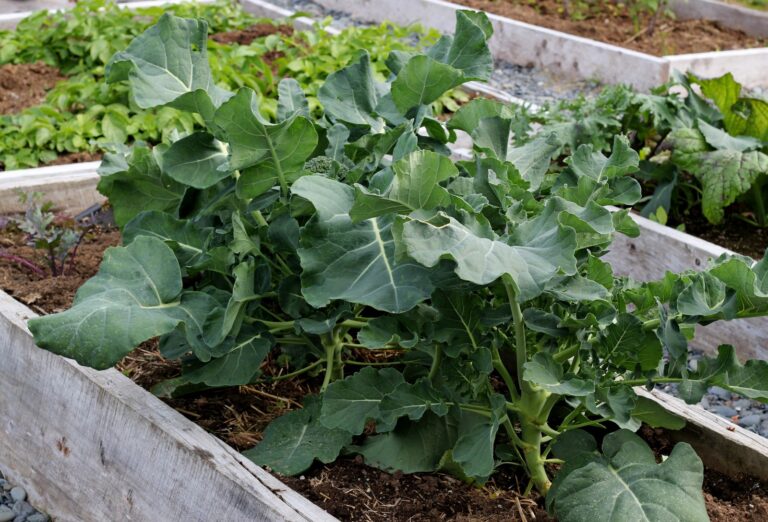
- Gather 4–6 outer leaves around the curd.
- Tie them loosely at the top with a soft string or strip of garden twine.
- Ensure leaves cover the entire head but still allow air circulation.
Method 2: Fold Leaves Over Naturally
- Simply fold the outer leaves over the curd and tuck them underneath.
- Works well with small, compact heads and avoids additional ties.
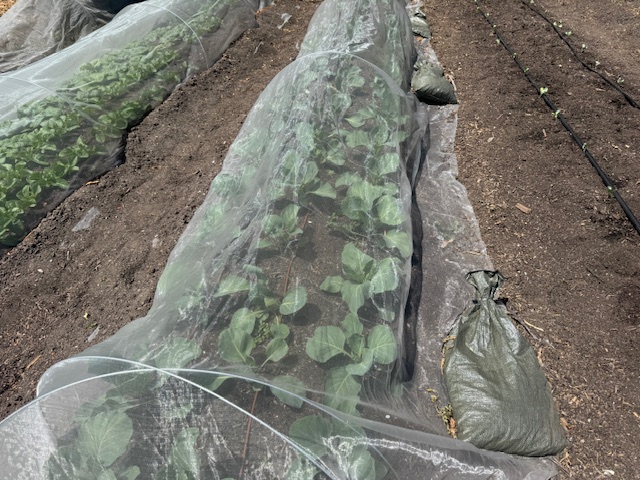
Method 3: Use Row Covers (Optional)
- Lightweight row covers can shade curds while protecting from pests.
- Helps prevent sun scald on highly exposed plants.
Tip from my garden: I check daily and adjust leaves if they loosen. Consistent coverage ensures the head remains bright white and tender.
Common Mistakes to Avoid
- Tying too tightly: Can trap moisture and encourage rot.
- Blanching too late: Curds may already show discoloration or bitterness.
- Neglecting airflow: Stagnant air can increase fungal issues—always allow a bit of space.
Final Thoughts
Blanching is a simple but essential step for growing high-quality cauliflower. It ensures heads are white, tender, and flavorful. With careful timing and proper technique, your cauliflower will look beautiful on the plate and taste delicious.
From decades of experience, I can confidently say: blanching separates good cauliflower from exceptional cauliflower in both appearance and flavor.
Cauliflower Learning Hub
Start here: The Ultimate Cauliflower Growing Guide: From Seed to Harvest
🌱 Planting & Growing
- When and How to Plant Cauliflower for Best Results
- Cauliflower Seed Starting Tips
- Cauliflower Planting Calendar: Month-by-Month Guide
- How to Transplant Cauliflower Seedlings Successfully
- Proper Cauliflower Spacing for Bigger Heads
- Growing Cauliflower in Containers: Step-by-Step Guide
- Best Companion Plants for Cauliflower (and What to Avoid)
💧 Care & Maintenance
- How to Water Cauliflower the Right Way
- Feeding Cauliflower: Fertilizer Tips for Healthy Growth
- Essential Cauliflower Care: From Seedling to Harvest
- Blanching Cauliflower: Why and How to Do It
🐛 Pests & Problems
🌾 Harvest & Storage
🍴 Kitchen & Use
❓ What to Grow