Best Trap Plants for Garden Pest Monitoring: How to Detect Problems Early in Vegetable Beds

One of the most effective tools in organic pest management is the use of trap plants for early detection. A trap plant is any species that is more attractive to pests than your main vegetable crops, allowing you to observe pest pressure early, in a concentrated and easy-to-monitor location.
Instead of discovering damage on tomatoes, squash, or beans after it has spread, trap plants give you an early warning system. They help you see pest activity before it becomes a widespread problem.
After more than 30 years of gardening in Sonoma Valley, I’ve found that successful pest management is less about reactive treatment and more about early observation. Most garden pest problems begin quietly on tender growth, then gradually move into main crops if not caught early.
Trap plants make that early detection much easier.
Know What to Plant This Week
Every week I answer the gardener's most important question: what should I plant now? Get seasonal planting advice free — or go Pro for my full Soil Temperature Garden Report, with soil temperature, moisture, weather trends, and crop-by-crop recommendations.
What Is a Trap Plant?
A trap plant is a deliberately planted “indicator” crop that:
- attracts common garden pests first
- shows visible signs of infestation early
- helps protect nearby crops by drawing pressure away
- allows targeted intervention before spread occurs
Trap plants are not about eliminating pests entirely—they are about controlling timing and visibility.
Why Trap Plants Work
Many common garden pests prefer:
- tender new growth
- fast-growing plants
- lush, nitrogen-rich foliage
- exposed or densely planted areas
Instead of dispersing evenly across the garden, pests often concentrate on the most attractive plants first. Trap plants take advantage of this behavior.
Best Types of Trap Plants for Vegetable Gardens
Rather than relying on a single species, it is better to think in categories of plants that attract pests reliably.
🌿 Fast-Growing Leafy Greens
These are excellent early-warning plants for aphids and similar pests:
- lettuce
- mustard greens
- arugula
- spinach (early growth stage)
They show curling leaves, sticky residue, or clustered aphids quickly.
🌱 Brassica Family Plants
Highly attractive to many chewing insects:
- kale
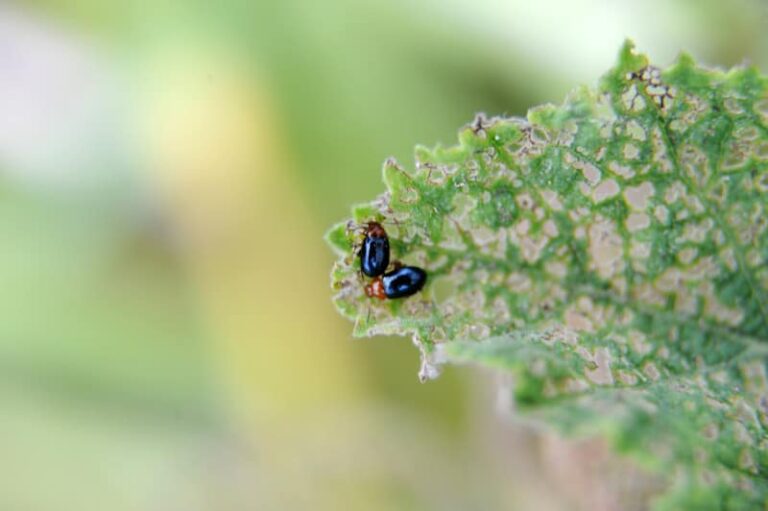
- radishes (for flea beetle pressure)
- mustard greens
These often show early signs of caterpillar feeding or beetle damage.
🌼 Flowering Trap Plants
Certain flowers attract sap-sucking insects and flying pests:
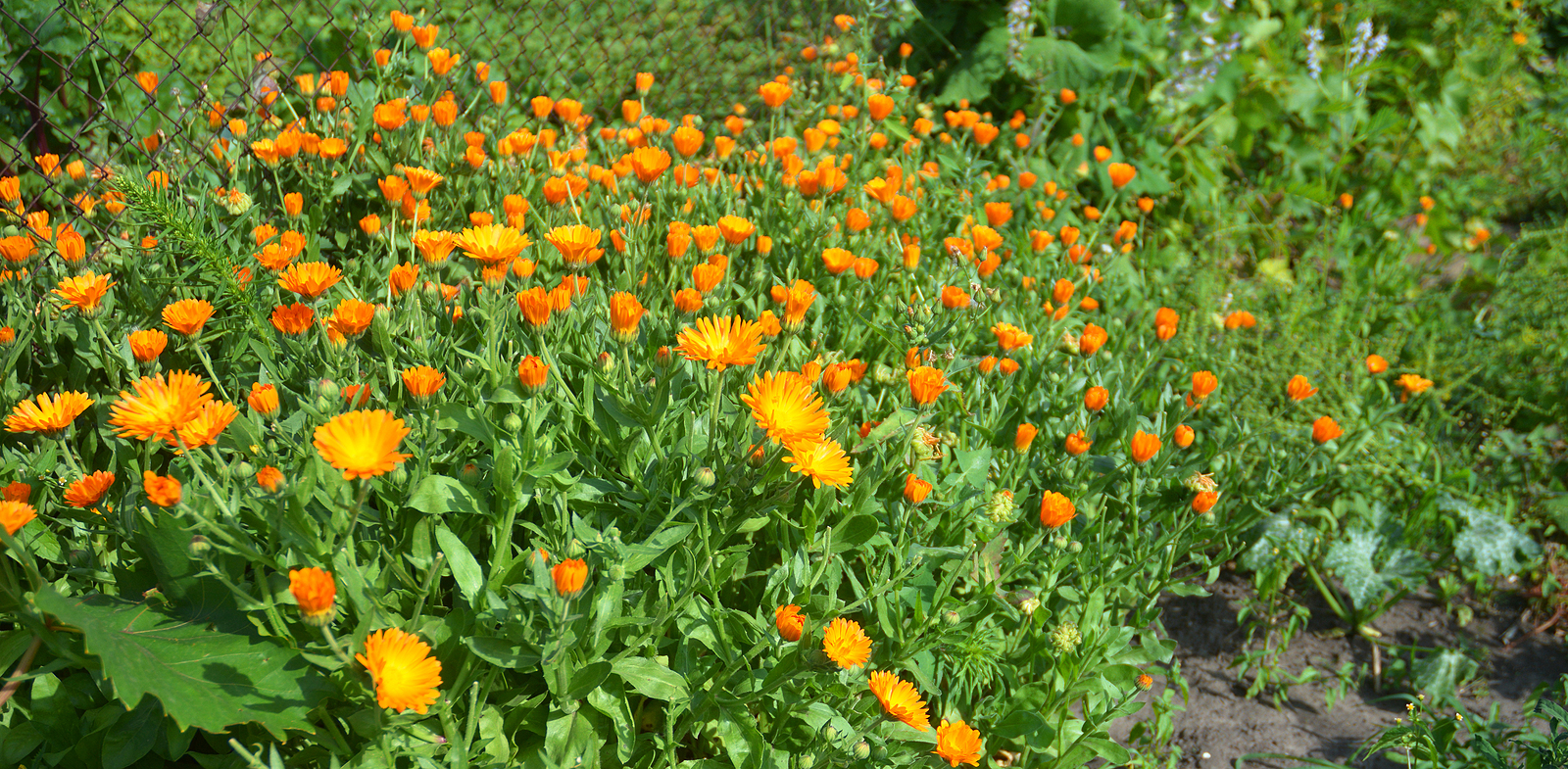
- calendula
- zinnias
- marigolds (some pest attraction, especially aphids)
They are useful for both monitoring and supporting beneficial insects.
🌿 Legume Family Plants
Tender growth makes them attractive to early-season pests:
- bush beans (early seedlings)
- fava beans
These can show aphid pressure very quickly.
How to Use Trap Plants in the Garden
1. Place Them Strategically
Plant trap crops:
- at bed edges
- near high-value crops (tomatoes, peppers, squash)
- in small clusters throughout the garden
Avoid isolating them too far from main beds—you want early detection, not separation.
2. Inspect Them First
During routine scouting (daily or every other day):
- check trap plants before main crops
- inspect new growth and leaf undersides
- look for curling, spotting, or insect clusters
If pests appear here, they are likely beginning elsewhere.
3. Set Simple Action Thresholds
- a few pests → continue monitoring
- increasing population or damage → take action immediately
- visible spread to main crops → intervene directly
Trap plants help define when to act, not just what to treat.
Common Early-Season Pests to Watch
Trap plants are especially useful for detecting:
- aphids on tender growth
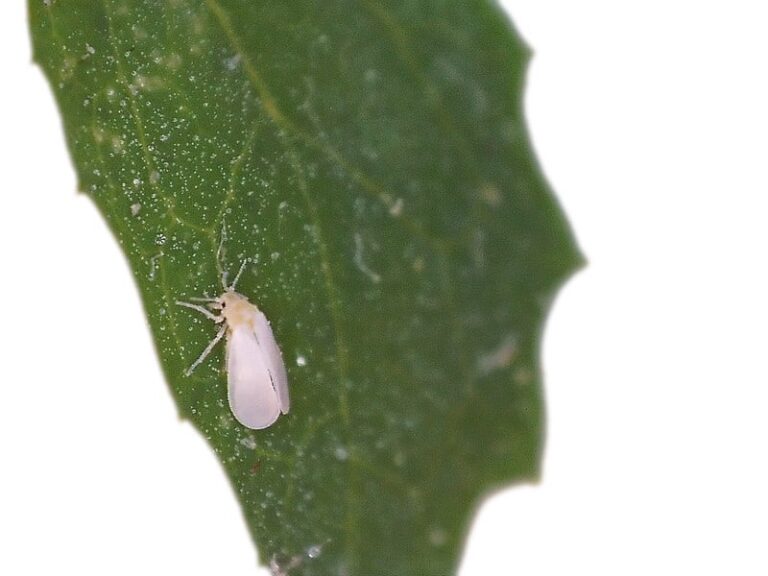
- whiteflies on undersides of leaves
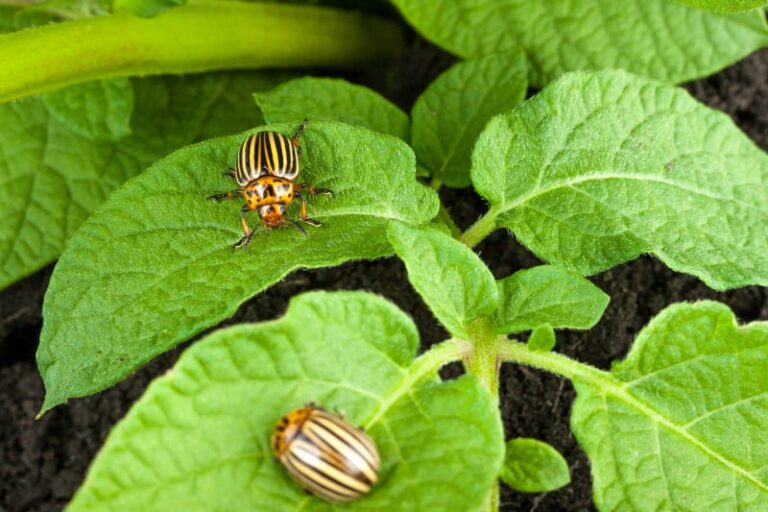
- early caterpillar feeding damage
- flea beetles on brassicas
- leaf distortion from sap-sucking insects
These pests often establish quietly before spreading into main crops.
Supporting Practices That Improve Trap Plant Effectiveness
Trap plants work best when combined with:
- good airflow between crops
- consistent spacing to reduce humidity buildup
- regular irrigation management
- early-season garden scouting routines
Healthy garden structure makes pest detection more accurate and easier to manage.
My Experience With Trap Planting
Over many seasons, I’ve found that pest problems rarely appear suddenly at full scale. They begin in small, localized pockets, often on the most tender or fast-growing plants in the garden.
By deliberately including trap plants in the system, I can identify those early warning signs before pests reach crops that are harder to protect or recover.
This approach has consistently reduced pest damage and improved overall garden stability without relying heavily on interventions.
Final Thought
Trap plants are not about sacrificing part of your garden—they are about gaining awareness.
When used correctly, they provide an early detection system that helps gardeners respond at the right time, not after damage has already spread. In organic vegetable gardening, that early timing is often the difference between minor pest pressure and a major infestation.