Best Place to Grow Horseradish: Sun, Soil, and Site Preparation Guide

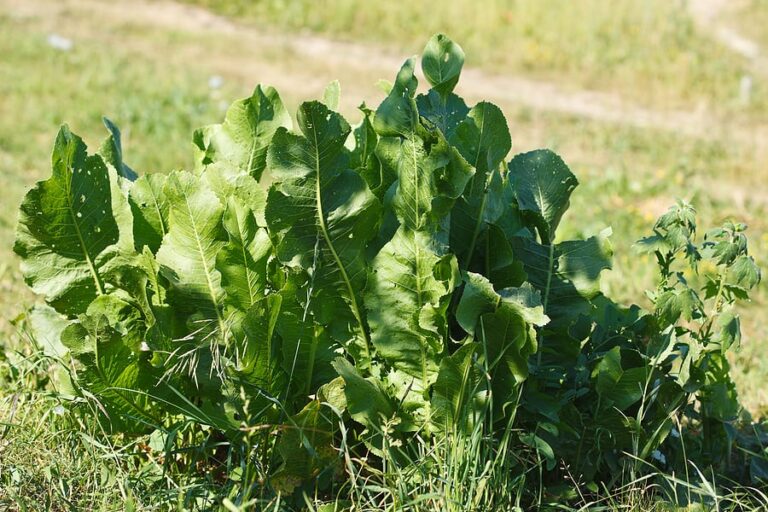
After more than 30 years growing horseradish in raised beds and open garden rows, I’ve learned that where you plant horseradish matters just as much as how you plant it. This vigorous, deep-rooted perennial thrives when given the right combination of sunlight, soil texture, moisture, and space.
In this guide, I’ll walk you through the exact site conditions horseradish needs for big, flavorful, straight roots—and how I prepare my soil each year to get the best results.
☀️ Sun Requirements for Horseradish
Horseradish grows well in a range of light levels, but root quality improves with the right balance.
Best Light Conditions
- Full sun (6–8 hours/day) produces the strongest, straightest roots with the most heat.
- Partial shade (4–6 hours/day) works in hot-summer climates and helps prevent heat stress.
- Avoid deep shade, which promotes weak tops and spindly, poor-quality roots.
My Experience
In Sonoma’s warm summers, I prefer morning sun and light afternoon shade, especially for annual-grown horseradish. This keeps the soil from drying too quickly and encourages steady root development.
🌱 Soil Requirements: Texture, Fertility, and Drainage
Horseradish is a root crop—soil structure directly affects root shape and size. In my beds, friable, deeply loosened soil makes the biggest difference.
Ideal Soil Conditions
- Texture: Loose, loamy, well-draining
- Depth: At least 12–18 inches loosened
- pH: Slightly acidic to neutral (6.2–7.0)
- Organic matter: High; add compost annually
- Drainage: Excellent—standing water will rot roots
What to Avoid
- Heavy clay
- Compacted soil
- Waterlogged areas
- Shallow beds
- High-salt fertilizers
Improving Soil Texture
If you have heavier clay—as many gardeners do—work in:
- Compost
- A few handfuls of coarse sand or perlite
- Leaf mold
- Aged manure (well-rotted)
This creates the loose structure horseradish needs to send down fat, straight roots.
🌿 Space Requirements and Site Selection
Horseradish spreads vigorously underground. Give it a home where it can grow without invading other crops.
Best Site Options
- A dedicated perennial corner of the garden
- A contained area (between paths, fences, or bed borders)
- A deep raised bed
- A bottomless buried container (to control spreading)
Spacing Considerations
Plant root sets 12–18 inches apart, but give each plant room to expand underground.
Why Site Choice Matters
Once horseradish is established, even tiny leftover root pieces regrow. Choose a spot where you won’t mind it growing for years—or grow it annually in a raised bed you can fully clear.
🔧 How to Prepare the Soil Before Planting
Here is the exact bed prep method I’ve used for decades to grow clean, flavorful horseradish:
1. Clear the bed deeply.
Remove rocks, roots, and debris—horseradish grows deeper than you think.
2. Loosen the soil 12–18 inches.
Use a digging fork or broadfork; break up clods without turning soil layers completely.
3. Add organic matter.
Mix in 2–3 inches of compost for fertility and texture.
4. Improve drainage if needed.
Blend in sand or perlite if soil is heavy.
5. Form slight mounds or raised rows.
Horseradish grows straighter in slightly elevated beds with good drainage.
6. Warm the soil in spring (optional).
Black compost or mulch absorbs sun and speeds early growth.
🌾 Best Locations by Climate
Cool Climates (Zones 3–6)
- Full sun
- Loamy soil
- Perennial beds thrive here
Mild Climates (Zones 7–9)
- Morning sun, afternoon shade
- Containers or annual growing recommended
- Mulch to retain moisture
Warm Climates (Zones 9–10)
- Light shade in hottest months
- Deep watering and rich soil essential
- Annual growing gives better-quality roots
🧑🌾 My Recommendation for Most Gardeners
If you’re planting horseradish for the first time, choose:
- A sunny to lightly shaded spot
- A raised bed or loose, deep soil
- An area where spreading won’t cause problems
With the right site, horseradish practically grows itself—and will reward you with vigorous foliage and thick, fiery roots.
Horseradish Learning Hub
Start here: How to Plant and Grow Horseradish: A Complete Guide
Varieties & Growth Methods
- Horseradish Varieties for Home Gardeners: Common vs. Bohemian Types
- How to Grow Horseradish: Annual vs. Perennial Methods Explained
Planting & Site Preparation
- Best Place to Grow Horseradish: Sun, Soil, and Site Preparation Guide
- When to Plant Horseradish: Planting Time, Climate Zones & Monthly Calendar
- How to Plant and Space Horseradish for Big, Straight, Flavorful Roots
- Growing Horseradish in Containers: Best Pots, Soil Mixes & Care Tips
Garden Companions & Benefits
Care & Maintenance
- Watering & Fertilizing Horseradish: Complete Seasonal Care Guide
- Horseradish Care & Maintenance: Controlling Spread, Pruning & Troubleshooting
Pests & Disease Management
Harvesting & Long-Term Patch Management
Storage & Culinary Use