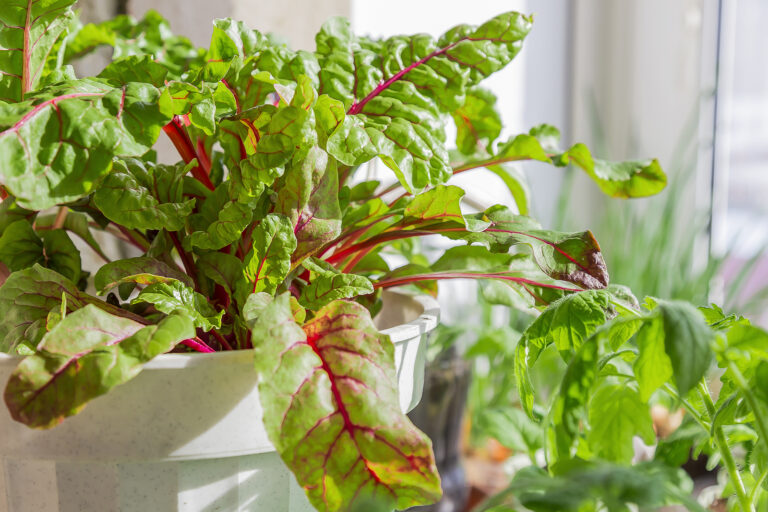
Best Growing Conditions for Tender, Bolt-Resistant Bok Choy

Bok choy (pak choi) is one of the quickest and most rewarding leafy greens you can grow—but only when the growing conditions stay consistently cool, moist, and fertile. After more than 30 years of growing Asian greens in both spring and fall, I’ve learned that bok choy’s tenderness and bolt resistance depend far more on the environment than on the variety. Even the most “bolt-resistant” cultivars will flower early if stressed by heat, dry soil, or poor nutrition.
This guide explains the exact soil, temperature, moisture, and light conditions bok choy needs for crisp, mild leaves and dependable head formation.
My Experience Growing Bok Choy
I’ve grown bok choy in California’s Central Valley and now year-round in Sonoma Valley—two climates that challenge cool-season crops. Through hundreds of plantings, I’ve learned that bok choy is highly sensitive to stress. When conditions are right—rich soil, even moisture, and cool temperatures—you get lush, tender plants in just 30–50 days. When conditions are wrong, the plants bolt almost overnight.
What follows are the most reliable growing conditions I’ve refined over three decades in the garden.
Best Growing Conditions for Tender, Bolt-Resistant Bok Choy
1. Cool Temperatures Are Essential
Bok choy grows best in:
- 50–70°F (10–21°C) daytime temperatures
- 40–60°F (4–15°C) at night
Heat above 75°F—even for a few days—can cause bolting.
Spring Strategy:
Plant early enough that plants mature before warm weather arrives.
Fall Strategy:
Plant late enough that plants grow and head up as temperatures cool.
2. Partial Shade Helps Prevent Heat Stress
While bok choy grows fastest in full sun, a bit of shade can be beneficial.
- Full sun in spring and fall
- Light afternoon shade in summer or warm climates
I routinely use 30% shade cloth during unexpected heat spikes. It cuts stress dramatically.
3. Moist, Rich, Well-Drained Soil
Bok choy needs soft, fertile soil for quick, tender growth.
Ideal soil conditions:
- Loamy texture
- High organic matter
- Consistently moist (never soggy)
- pH 6.2–7.0
Before planting, I work in:
- 2 inches of compost
- A balanced organic fertilizer such as 5-5-5
Plants grown in poor or dry soil become tough, bitter, and prone to bolting.
4. Consistent Moisture Prevents Stress
Even moisture is critical. Fluctuating wet-and-dry soil conditions trigger bolting.
Watering guidelines:
- Water deeply 2–3 times per week depending on weather.
- Use drip irrigation to keep leaves dry and soil evenly moist.
- Mulch immediately after transplanting.
A 2-inch mulch layer of straw or shredded leaves stabilizes soil temperature and moisture—two keys to bolt resistance.
5. Steady, Balanced Nutrition
Bok choy grows fast and pulls nutrients quickly.
My fertilizing routine:
- At planting: Mix balanced organic fertilizer into the bed.
- Midseason: Side-dress with compost or liquid seaweed/fish fertilizer.
Avoid over-fertilizing with nitrogen. It may cause floppy leaves and reduce flavor.
6. Proper Spacing Reduces Stress
Crowding increases humidity and competition—both of which increase bolting risk.
Recommended spacing:
- 6–8 inches for baby bok choy
- 10–12 inches for full-size varieties
Better airflow means healthier, longer-lasting plants.
7. Protect Young Plants from Flea Beetles
Stress from early pest damage is a leading cause of bolting in bok choy.
Use:
- Light row cover at planting
- Mulch to reduce soil splash
- Consistent moisture to help plants recover quickly
Healthy plants tolerate minor damage well.
8. Grow the Right Varieties for Your Season
Some hybrid varieties are naturally more bolt-resistant.
Try:
- Joi Choi
- Green Fortune
- Toy Choi
- Mei Qing Choi
But remember: even the best varieties bolt if conditions are wrong.
Conclusion
Tender, sweet bok choy comes from creating the right conditions—cool weather, rich soil, steady moisture, and light shade during warm spells. With these growing conditions in place, your bok choy will stay crisp, mild, and bolt-resistant from planting to harvest. These lessons come from decades of trial, error, and refinement—and they’ll give you consistently better harvests all year long.
Bok Choy Learning Hub
Start here: The Ultimate Guide to Growing Bok Choy
Bok Choy Planting & Timing
- When to Plant Bok Choy for Spring, Summer, and Fall
- Bok Choy Planting Calendar: Month-by-Month Guide
- Best Growing Conditions for Tender, Bolt-Resistant Bok Choy
Starting, Transplanting & Direct Sowing
- How to Start Bok Choy Indoors Under Lights
- Direct Sowing Bok Choy for Fast, Tender Harvests
- How to Transplant Bok Choy Without Triggering Bolting
Bok Choy Care
- Watering Bok Choy: Keeping Plants Tender and Not Tough
- How to Fertilize Bok Choy for Fast, Leafy Growth
- How to Prevent Bok Choy from Bolting (Heat, Stress & Day Length)
Pests & Diseases
Harvest & Storage
Containers & Small Spaces
Varieties
- Best Bok Choy Varieties for Home Gardeners
- Baby Bok Choy Varieties for Fast, Tender Yields
- Heat-Tolerant and Bolt-Resistant Bok Choy Varieties
Companion Planting