About Lima Beans: History, Botany, and How They Differ from Other Beans

Lima beans have been part of my kitchen garden for decades, and the more I grow them, the more I appreciate their long history, unique botany, and distinct flavor and texture. Here’s a clear, experience-based guide to what sets lima beans apart from other beans and why they deserve a place in any warm-season garden.
A Brief History of Lima Beans
Lima beans (Phaseolus lunatus) are among the oldest cultivated beans in the Americas. Archaeological evidence traces them back more than 7,000 years to Peru—specifically the region around present-day Lima, from which they get their name. Two major landrace groups developed over time:
- Andean types: Large-seeded, cool-elevation varieties—the ancestors of our Fordhook types.
- Mesoamerican types: Small-seeded, heat-loving varieties—the ancestors of baby lima and many pole types.
As lima beans moved northward, Indigenous gardeners selected for climate adaptability, flavor, and seed size. By the time European explorers arrived, lima beans were widely grown throughout Central and South America. Today they remain a staple crop worldwide, valued for their heat tolerance and dependable yield.
Botany of Lima Beans
Having grown limas for years—both bush and pole types—I’ve noticed that they are botanically quite distinct from common beans (Phaseolus vulgaris). Their growth habits and environmental preferences reflect their ancient tropical origins.
Growth Habit
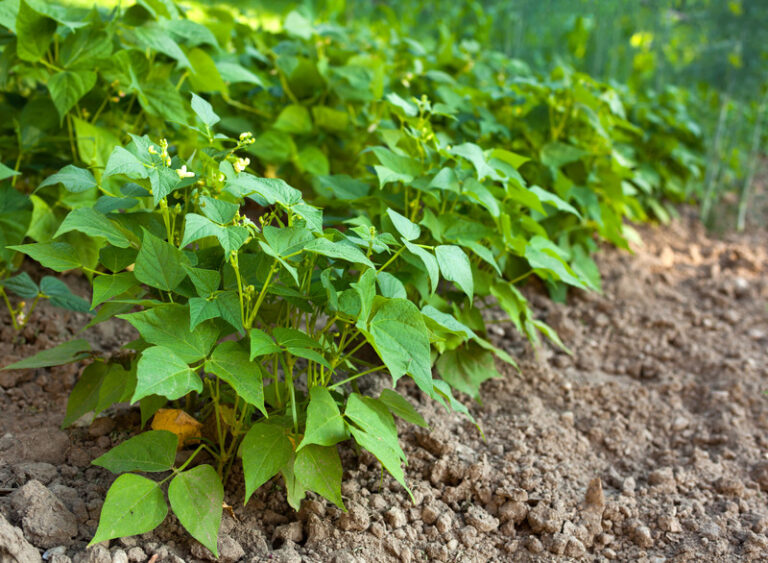
- Bush limas grow 18–24 inches tall and mature earlier. I plant these for a reliable midsummer harvest.
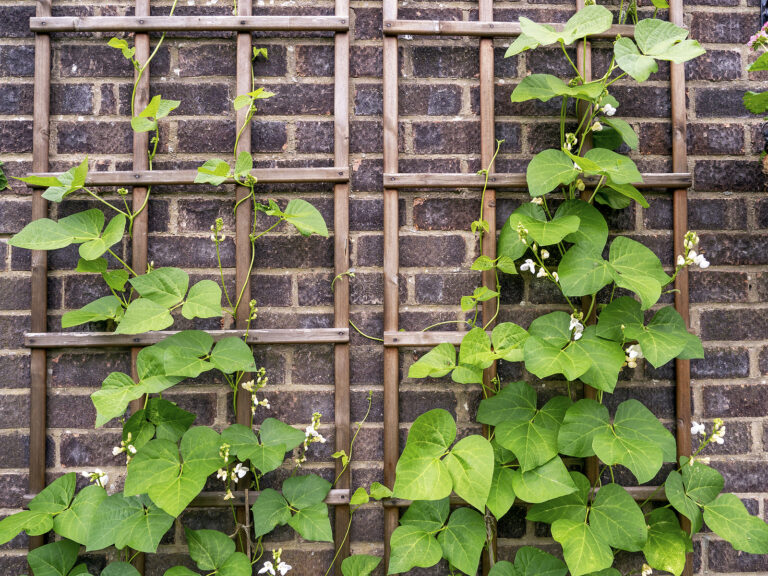
- Pole limas can reach 8–12 feet and take longer to bear, but the yield per plant can be exceptional.
Leaves and Stems
Lima vines are thicker, more leathery, and more heat tolerant than common bean vines. The leaves are broader and hold up well during hot Sonoma Valley summers.
Flowers and Pods
- Flowers are larger and often more sensitive to cool nights.
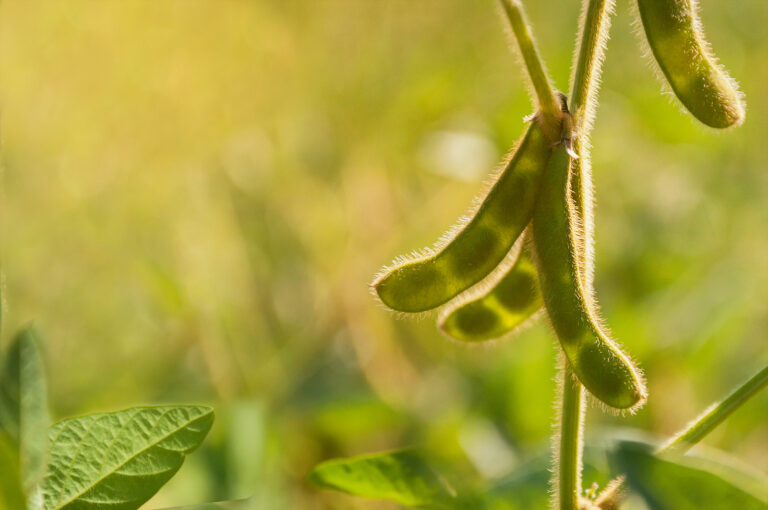
- Pods are thick, often crescent-shaped, and vary widely in size between small-seeded and large-seeded types.
Seed Characteristics
Lima seeds are kidney-shaped, butter-textured, and high in starches that create their signature creamy flavor.
How Lima Beans Differ from Other Beans
After 30+ years of growing a wide range of legumes, the distinctions between limas and common beans are clear:
1. Heat Tolerance
Limas thrive in heat that would stress other beans. They need warm soil—70°F or warmer—to germinate well. Common beans tolerate cooler conditions.
2. Flowering Sensitivity
Cool nights can cause blossom drop on limas, especially large-seeded types. Common beans are less sensitive and set pods more consistently in variable weather.
3. Flavor and Texture
Limas have a buttery, creamy texture that no other garden bean matches. Common beans tend to be firmer and earthier.
4. Growth Duration
Pole lima varieties often need a longer season—up to 90–100 days—while many common beans mature in 55–70 days.
5. Nutritional Profile
Limas are higher in starch and slightly higher in protein. Their slow-digesting carbohydrates give them a richer, more substantial mouthfeel.
6. Genetic Lineage
Though both belong to the Phaseolus genus, lima beans represent a separate species with distinct evolutionary origins in tropical South America.
Why Grow Lima Beans? My Experience
Every summer I grow a combination of Fordhook 242 and one or two pole varieties such as Willow Leaf or Christmas Lima. The pole types are unmatched for flavor—the vines produce late but reward you with large, meaty beans perfect for salads, soups, and slow simmering.
Bush types are ideal for early harvests or smaller spaces. They’re reliable, productive, and easier to manage.
If your summers are warm, limas belong in your garden. Their resilience, rich taste, and deep history make them one of the most rewarding legumes to grow.
Lima Beans Learning Hub
Start here: How to Plant, Grow, and Harvest Lima Beans: A Complete Guide
Introduction to Lima Beans
- About Lima Beans: History, Botany, and How They Differ from Other Beans
- The Best Lima Bean Varieties to Grow: Bush, Pole, Baby, and Large-Seeded Types
- Lima Bean Quick Growing Tips: Fast Reference Guide for Planting Through Harvest
- How to Grow Lima Beans for Warm Climates
Planting Lima Beans
- Where to Plant Lima Beans: Best Soil, Sun, and Garden Bed Preparation Tips
- When to Plant Lima Beans: Seasonal Timing for Bush and Pole Varieties
- How to Plant and Space Lima Beans: Row, Hill, and Trellis Planting Methods
- Lima Bean Companion Plants: What to Grow (and Avoid) Nearby
- Growing Lima Beans in Containers: Best Pot Sizes, Supports, and Soil Mixes
Caring for Lima Beans
- How to Water and Fertilize Lima Beans for Vigorous Growth and High Yields
- Lima Bean Care Guide: Mulching, Weeding, Trellising, and Midseason Maintenance
- Lima Bean Pests and Diseases and Organic Controls
Harvesting, Storage, and Kitchen