Why Squash Plants Suddenly Stop Producing

Your squash plants looked spectacular just a week ago. They were covered with flowers and producing zucchini or yellow squash almost faster than you could harvest them. Then, almost overnight, production slowed—or stopped altogether.
If your squash plants have suddenly quit producing, don’t assume the season is over. In many cases, the problem can be identified and corrected, allowing the plants to continue producing for several more weeks.
After decades of growing summer squash in my home gardens and market garden, and gardening in Iowa, eastern Massachusetts, and Northern California, I’ve found that production usually slows for one of a handful of predictable reasons. Most are related to weather, pollination, watering, or harvesting practices—not the age of the plant.
Understanding why squash production slows is the first step toward getting it started again.
Know What to Plant This Week
Every week I answer the gardener's most important question: what should I plant now? Get seasonal planting advice free — or go Pro for my full Soil Temperature Garden Report, with soil temperature, moisture, weather trends, and crop-by-crop recommendations.
Harvesting Too Infrequently
One of the most common reasons squash plants stop producing is that mature fruit has been left on the plant.
Summer squash are programmed to produce seeds.
When zucchini or yellow squash become oversized:
- Seeds mature.
- The plant believes it has completed its job.
- Flower production slows.
- New fruit becomes less frequent.
Even one oversized zucchini hidden beneath the leaves can reduce future production.
Harvest summer squash:
- Every day during peak season.
- At least every other day during warm weather.
- While fruit is still young and tender.
Frequent harvesting is one of the easiest ways to keep plants productive.
Poor Pollination
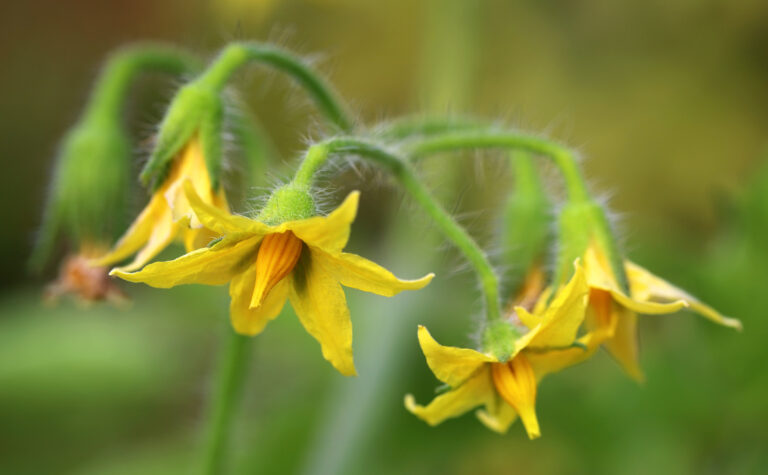
Squash plants produce both male and female flowers.
Female flowers must be pollinated before they develop into fruit.
Poor pollination may occur because of:
- Fewer bees
- Rainy weather
- Extended heat
- Lack of pollinating insects
Signs include:
- Tiny squash that yellow and shrivel.
- Flowers dropping without producing fruit.
If pollinators are scarce, hand-pollination with a small paintbrush or by transferring pollen directly from a male flower to a female flower can greatly improve fruit set.
Extreme Heat
Squash grows well in warm weather, but prolonged temperatures above about 95°F (35°C) can interfere with flowering and pollination.
High temperatures may cause:
- Blossom drop
- Poor pollen viability
- Fewer female flowers
- Slower fruit development
During heat waves:
- Water deeply.
- Mulch around plants.
- Harvest frequently.
- Be patient until temperatures moderate.
Many squash plants resume heavy production after cooler weather returns.
Inconsistent Watering
Squash plants need steady moisture to support rapid growth.
Allowing soil to become extremely dry before watering places the plants under stress.
Water stress can lead to:
- Blossom drop
- Misshapen fruit
- Smaller harvests
- Reduced flowering
Water deeply whenever the root zone begins to dry.
Organic mulch helps maintain even soil moisture.
Nutrient Depletion
Summer squash are heavy feeders.
As plants continue producing fruit, they gradually use available nutrients.
Symptoms include:
- Pale leaves
- Slower growth
- Fewer flowers
- Small fruit
Refresh the soil by:
- Adding compost around plants.
- Applying a balanced vegetable fertilizer according to label directions.
Avoid excessive nitrogen, which encourages leafy growth instead of flowers.
Powdery Mildew
Late in summer, powdery mildew commonly affects squash.
Symptoms include:
- White, powdery coating on leaves
- Yellowing foliage
- Reduced vigor
- Smaller harvests
Although the disease rarely kills plants immediately, it reduces the amount of energy available for fruit production.
Removing severely infected leaves and improving air circulation can slow its spread.
Squash Vine Borers
In many parts of the country, squash vine borers can suddenly reduce production.
Look for:
- Wilting vines
- Holes near the base of stems
- Sawdust-like frass
- Hollow stems
Plants weakened by vine borers often stop producing before they completely collapse.
Regular inspection helps detect problems early.
Plant Age
Even healthy squash plants eventually slow down.
Older plants naturally produce:
- Fewer flowers
- Smaller fruit
- Less vigorous growth
This is especially common after months of heavy production.
Succession planting every few weeks provides continuous harvests throughout the growing season.
Too Much Shade
Squash plants need abundant sunlight.
Plants receiving fewer than six to eight hours of direct sunlight often produce:
- More leaves
- Fewer flowers
- Fewer squash
If nearby plants have grown taller during the season, increasing shade may explain reduced production.
Too Much Nitrogen
Large, lush squash plants sometimes produce surprisingly little fruit.
Excess nitrogen encourages:
- Vigorous leaves
- Thick stems
- Delayed flowering
Switch to a balanced fertilizer if additional feeding is needed.
Growing Squash in Different Climates
Growing squash in Iowa, Massachusetts, and California taught me that production slows for different reasons depending on the climate.
In Iowa, vine borers and powdery mildew often became limiting factors by midsummer. Massachusetts generally provided cooler growing conditions, but rainy periods sometimes reduced pollinator activity. In Northern California, prolonged heat and dry soil were more likely to interrupt flowering and fruit production.
Despite these regional differences, healthy plants usually resumed producing once the underlying problem was corrected.
My Home Garden and Market Garden Experience
In my market garden, squash production was rarely steady from planting until frost.
There were always periods when flowering slowed or harvests became smaller. Instead of assuming the plants were finished, I learned to inspect them carefully.
Usually, the answer was simple: an oversized zucchini hidden beneath the leaves, a stretch of hot weather, dry soil, or declining pollinator activity.
In my home garden, regular harvesting, deep watering, compost, and careful observation have consistently extended the harvest well into late summer.
Healthy squash plants often bounce back once their needs are met.
Frequently Asked Questions
Why did my squash plants suddenly stop producing?
Common causes include oversized fruit left on the plant, poor pollination, heat stress, inconsistent watering, nutrient depletion, or vine borers.
Will harvesting squash more often increase production?
Yes. Frequent harvesting encourages plants to continue flowering instead of focusing on seed production.
Why do my squash flowers fall off?
Male flowers naturally drop after releasing pollen. Female flowers may drop if they are not successfully pollinated.
Can hot weather stop squash production?
Yes. Extended temperatures above about 95°F (35°C) can reduce flowering, pollination, and fruit set.
How often should I water squash plants?
Water deeply whenever the root zone begins to dry. Consistent soil moisture supports continuous production.
Can powdery mildew stop squash production?
Yes. Severe powdery mildew reduces photosynthesis and weakens plants, leading to smaller harvests.
Should I fertilize squash when production slows?
If plants show signs of nutrient depletion, apply compost or a balanced vegetable fertilizer. Avoid excessive nitrogen.
When should I replace older squash plants?
If plants have naturally declined after months of production, succession planting every few weeks helps maintain continuous harvests.
The Bottom Line
When squash plants suddenly stop producing, the problem is often temporary and can usually be corrected.
Frequent harvesting, consistent watering, healthy soil, good pollination, and careful observation help keep plants flowering and producing throughout the growing season.
After decades of growing squash in home gardens and market gardens across Iowa, Massachusetts, and Northern California, I’ve found that the most productive gardens belong to gardeners who pay close attention to their plants. A few minutes spent inspecting vines, harvesting mature fruit, and checking soil moisture often leads to weeks of additional harvests.