What to Plant in August for Fall Harvest

August is often thought of as the end of the summer garden, but for experienced gardeners, it is actually the beginning of the fall harvest season.
Warm soil, long days, and plenty of remaining sunlight make August one of the best times to plant vegetables that thrive in late summer and mature during the cooler days of autumn.
The key to a successful fall garden is timing. Some crops need to be started from seed in August so they have enough time to mature before cold weather arrives. Others can be planted as transplants for a quick harvest.
After growing vegetables in my home gardens and market garden, and gardening in Iowa, eastern Massachusetts, and Northern California, I’ve learned that August planting is about working with the seasons rather than fighting them. In colder climates, August planting is a race against frost. In mild California gardens, August can be the bridge between summer production and a productive winter garden.
Know What to Plant This Week
Every week I answer the gardener's most important question: what should I plant now? Get seasonal planting advice free — or go Pro for my full Soil Temperature Garden Report, with soil temperature, moisture, weather trends, and crop-by-crop recommendations.
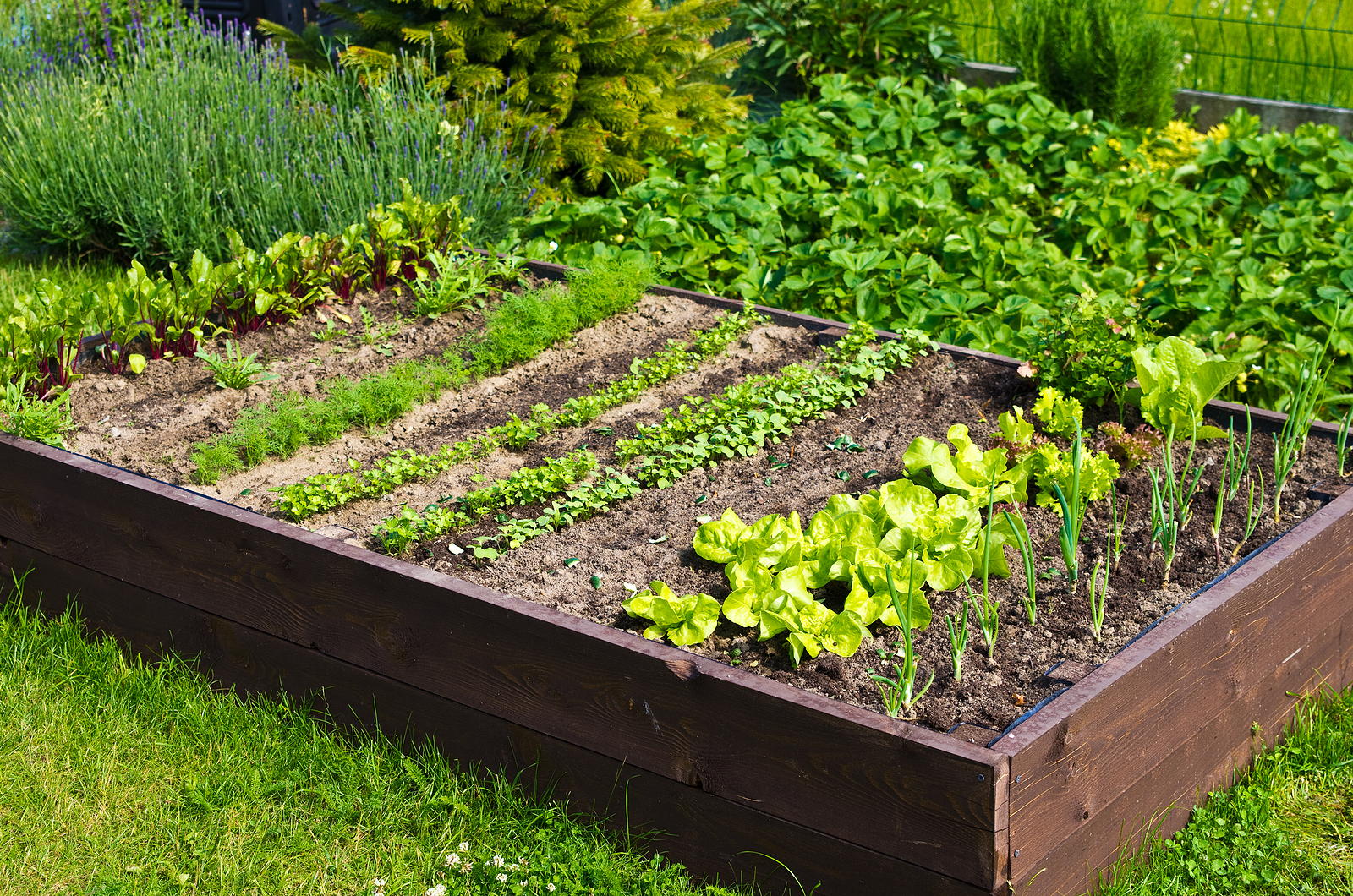
A successful fall garden begins with seeds and transplants planted while summer warmth is still in the soil.
Why August Is the Right Time to Plant a Fall Garden
Many cool-season vegetables actually prefer the conditions created by late summer.
August offers:
- Warm soil for quick germination
- Strong sunlight for young plants
- Enough time for roots to establish
- Cooler temperatures ahead for better flavor
Many fall crops taste better after cooler weather arrives because cold temperatures encourage plants to produce more sugars.
This is why fall-grown vegetables such as carrots, broccoli, kale, and spinach are often sweeter than spring-grown crops.
What Vegetables to Plant in August for Fall Harvest
The best August planting choices depend on your climate, but many gardeners can successfully plant the following crops.
Leafy Greens
August is an excellent time to start fall greens.
Plant:
- Lettuce
- Spinach
- Kale
- Swiss chard
- Collards
- Mustard greens
- Arugula
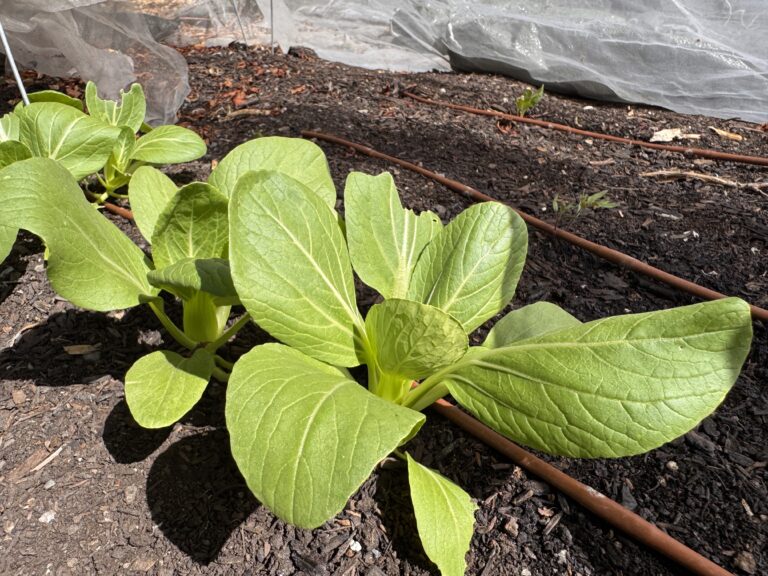
- Asian greens
For hot climates, provide afternoon shade for young seedlings until temperatures moderate.
Greens planted in August can provide harvests from early fall through winter in mild regions.
Root Crops
Root vegetables benefit from the cooler weather that follows summer.
Plant:
- Carrots
- Beets
- Radishes
- Turnips
- Rutabagas
Direct sow root crops into loose, well-prepared soil.
Keep seedbeds evenly moist because late summer heat can quickly dry the soil surface and prevent germination.
Broccoli, Cauliflower, and Cabbage
August is prime planting time for fall brassicas in many regions.
Plant:
- Broccoli
- Cauliflower
- Cabbage
- Brussels sprouts
- Kohlrabi
In colder climates, start with transplants to gain extra growing time.
In warmer climates, fall brassicas often perform better than spring crops because they avoid extreme heat during maturity.
Peas for Fall Harvest
In mild climates, late August can be a good time to sow peas.
Plant:
- Snap peas
- Snow peas
- Shelling peas
Peas prefer cooler weather, so timing is important.
In areas with hot summers, wait until temperatures begin dropping before planting.
Beans for a Late Harvest
Bush beans can provide a final harvest before frost.
August planting works especially well in:
- Long-season climates
- Mild coastal areas
- Regions with extended autumn weather
Choose fast-maturing varieties to improve your chances of harvesting before cold weather.
Beets and Swiss Chard
Beets and chard are excellent late-season crops because they tolerate cool weather.
Beets provide:
- Sweet fall roots
- Nutritious greens
Swiss chard can continue producing through mild winters with protection.
Cilantro, Parsley, and Fall Herbs
Many herbs perform better as temperatures cool.
Plant:
- Cilantro
- Parsley
- Dill
- Chervil
Cilantro especially benefits from fall planting because cooler weather slows bolting.
What to Start Indoors in August
Some fall and winter crops benefit from an indoor start.
Start seeds indoors for:
- Broccoli
- Cauliflower
- Cabbage
- Brussels sprouts
- Kale
- Collards
Starting seeds indoors gives plants a stronger beginning while outdoor temperatures are still high.
Transplant young plants once they are established and conditions are more favorable.
August Planting by Climate Zone
Planting dates vary greatly by region.
Zones 3–5
August is often the final opportunity for:
- Spinach
- Kale
- Radishes
- Lettuce
- Fast-growing roots
Focus on quick-maturing crops.
Zones 6–7
August is a transition month.
Plant:
- Broccoli
- Carrots
- Beets
- Greens
- Peas later in the month
Zones 8–9
August is a major fall planting month.
Plant:
- Broccoli
- Lettuce
- Carrots
- Beets
- Kale
- Spinach
- Peas
- Herbs
In my Northern California garden, August is not the end of the growing season—it is the beginning of another productive planting window.
Prepare Soil Before August Planting
Summer crops can leave soil tired.
Before planting fall crops:
- Remove spent plants.
- Add compost.
- Refresh mulch.
- Check soil moisture.
- Loosen compacted soil.
Healthy soil helps young plants establish quickly during the warmest part of the year.
Watering New Fall Plantings in August
August seedlings need careful attention.
Warm weather can dry seedbeds quickly.
Keep newly planted areas:
- Consistently moist
- Protected from extreme heat
- Covered with light mulch
Small seedlings have shallow roots and are much more vulnerable to drying than established plants.
Provide Shade for Fall Seedlings
Late summer sun can be intense.
Protect young plants with:
- Shade cloth
- Row covers
- Taller companion plants
- Temporary afternoon shade
Once temperatures moderate, plants can be moved into full sunlight.
Continue Harvesting Summer Crops
August is also the time to keep summer crops productive.
Continue harvesting:
- Tomatoes
- Peppers
- Beans
- Cucumbers
- Squash
- Eggplants
Regular harvesting encourages many plants to continue producing while fall crops become established.
My Home Garden and Market Garden Experience
August has always been one of the busiest months in my gardens.
In my market garden, August was a planning month as much as a harvesting month. While summer crops were producing heavily, I was already sowing seeds for the next season of harvests.
In Iowa, August planting required careful attention because frost could arrive quickly. In Massachusetts, fall crops had to be timed precisely to mature before cold weather. In California, August became an opportunity to transition from summer abundance into a long fall and winter growing season.
The biggest lesson I have learned is that gardeners who plant in August are rarely disappointed. The garden is not ending—it is changing seasons.
Frequently Asked Questions
What vegetables can I plant in August for a fall harvest?
Great August crops include broccoli, cabbage, kale, spinach, lettuce, carrots, beets, radishes, peas, and herbs.
Is August too late to plant a vegetable garden?
No. August is an excellent planting month for fall crops, especially cool-season vegetables.
Should I plant seeds or transplants in August?
Both work. Direct sow quick crops like carrots and radishes, and use transplants for slower crops like broccoli and cabbage.
What vegetables grow best in fall?
Cool-season crops such as kale, spinach, carrots, broccoli, lettuce, and Brussels sprouts often perform best in fall.
How often should I water August seedlings?
Check soil moisture daily. New seedlings may need frequent watering during hot weather until roots become established.
Can I plant tomatoes in August?
In warm climates, tomatoes can sometimes be planted in August for a fall harvest. In cooler regions, it may be too late unless using protection.
What should I plant in August for winter harvest?
In mild climates, plant spinach, kale, carrots, broccoli, cabbage, and other hardy vegetables for winter harvests.
Do fall vegetables taste better than summer vegetables?
Many cool-season crops become sweeter after exposure to cooler temperatures because plants produce more sugars.
The Bottom Line
August is not the end of the vegetable garden—it is the beginning of the fall harvest season.
By planting cool-season crops while the soil is still warm, gardeners can take advantage of ideal growing conditions and extend fresh harvests well beyond summer.
After decades of gardening in different climates, I’ve found that the most productive gardens are always looking ahead. While harvesting tomatoes and peppers in August, experienced gardeners are already planting the crops that will fill their tables in fall and winter.