Soil Temperature and Planting Time

If there’s one measurement that separates guesswork from consistent success in the garden, it’s soil temperature. After more than 30 years of growing vegetables in California, I’ve learned that planting by the calendar will get you close—but planting by soil temperature gets it right.
Seeds and roots respond to the temperature of the soil—not the air. A warm afternoon can be misleading, but if the soil is still cold, seeds will sit, rot, or emerge weakly. On the other hand, when soil reaches the right temperature range, germination is faster, roots establish quickly, and plants grow with strength from the start.
Why Soil Temperature Matters
Soil temperature controls:
- Seed germination speed and success
- Root development and nutrient uptake
- Microbial activity in the soil
- Overall plant vigor and yield
Each crop has a preferred temperature range. Plant too early, and growth stalls. Plant at the right time, and the garden moves forward with ease.
Know What to Plant This Week
Every week I answer the gardener's most important question: what should I plant now? Get seasonal planting advice free — or go Pro for my full Soil Temperature Garden Report, with soil temperature, moisture, weather trends, and crop-by-crop recommendations.
The Three Planting Windows
In practical gardening, crops fall into three temperature-based groups:
- Cool-season crops → Thrive in cold to cool soil
- Bridge crops → Planted in cool soil, grow into warmer conditions
- Warm-season crops → Require warm soil to germinate and grow
Understanding these categories allows you to plant continuously as soil warms through spring.
Soil Temperature and Planting Chart (4” depth)
| Soil Temperature | Planting Window | Crops | What to Do |
|---|---|---|---|
| 40–50°F | Early cool season | Spinach, peas, mache | Direct sow hardy crops; expect slow germination |
| 50–55°F | Cool season expanding | Lettuce, kale, radish, carrots | Reliable sowing begins; steady but moderate growth |
| 50–60°F | Bridge crop window | Potatoes, onions, leeks, beets | Plant early crops that will mature into warmer weather |
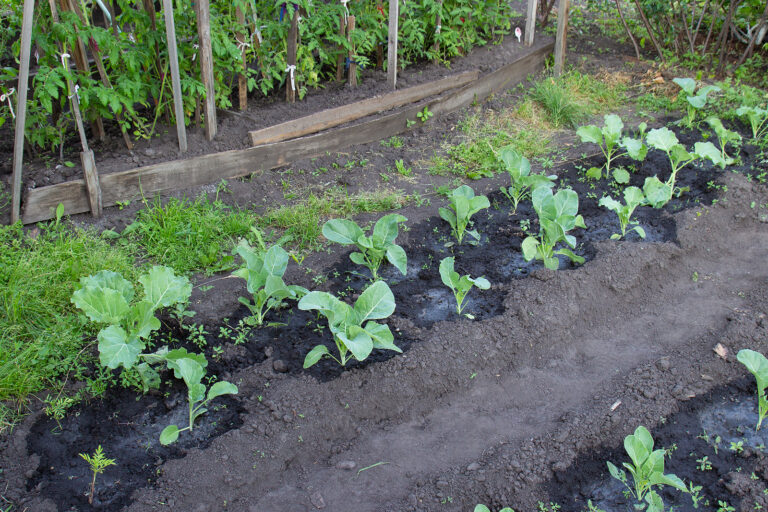
| 55–60°F | Late cool season | Broccoli, cabbage, cauliflower | Transplant and direct sow with confidence |
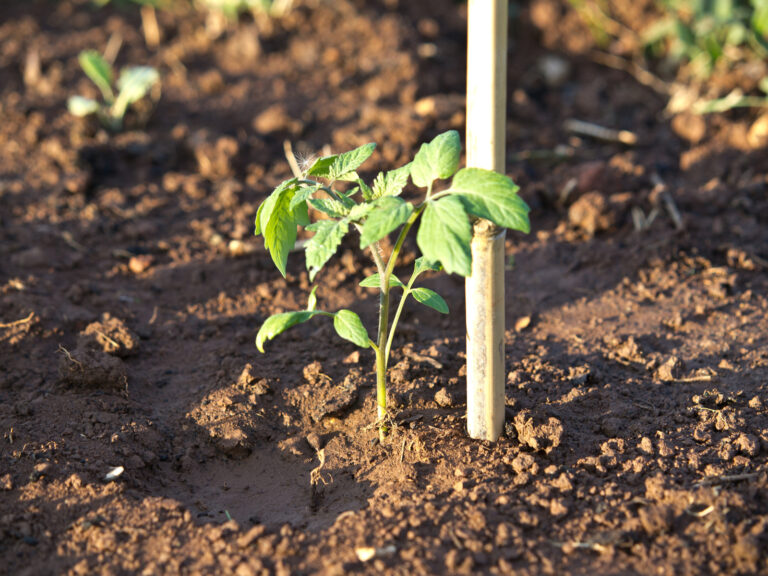
| 58–62°F | Transition zone | Early beans (protected), test tomatoes | Begin small test plantings in warm microclimates |
| 60–65°F | Early warm season | Beans, corn, cucumbers (protected) | Increase planting in raised beds and containers |
| 65–70°F+ | Full warm season | Tomatoes, peppers, squash, eggplant | Full planting safe; rapid germination and growth |
How to Use This Chart
- Measure at 4 inches deep in the morning for consistency
- Track temperatures over several days—consistency matters more than a single reading
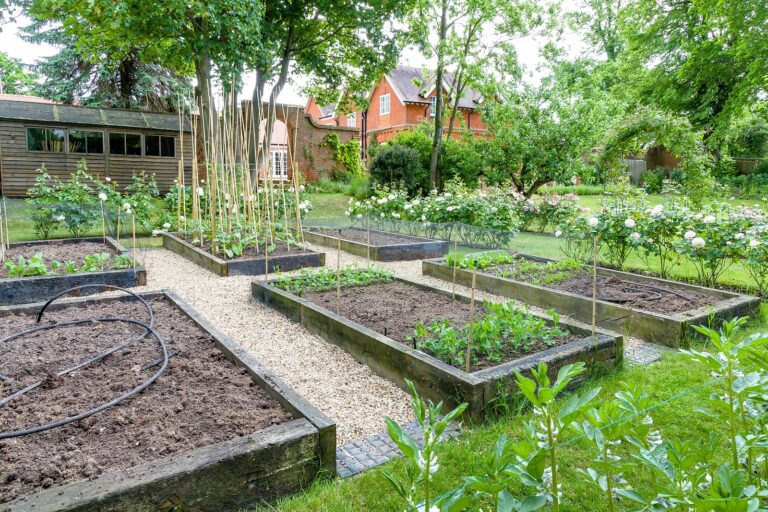
- Use microclimates: raised beds and containers often warm faster than in-ground soil
- Combine soil temperature with moisture (VWC) and weather forecasts
Practical Insights from the Garden
- A sudden warm spell doesn’t mean the soil is ready—soil warms slowly.
- Cool-season crops are forgiving; warm-season crops are not.
- Bridge crops like potatoes and onions are your opportunity to keep planting while you wait.
- Early planting works best when treated as a test, not a full commitment.
In my Sonoma garden, I often begin testing warm-season crops when soil approaches 60°F—but I don’t fully plant until that temperature is consistent.
Common Mistakes
- Planting tomatoes when air is warm but soil is still below 60°F
- Ignoring soil moisture—cold, wet soil delays everything
- Planting the entire garden at once instead of in stages
- Skipping bridge crops and losing valuable growing time
Final Thought
Soil temperature is the most reliable signal your garden gives you. When you learn to follow it—rather than the calendar—you move from guessing to timing your planting with precision. That’s when gardening becomes not just productive, but predictable.