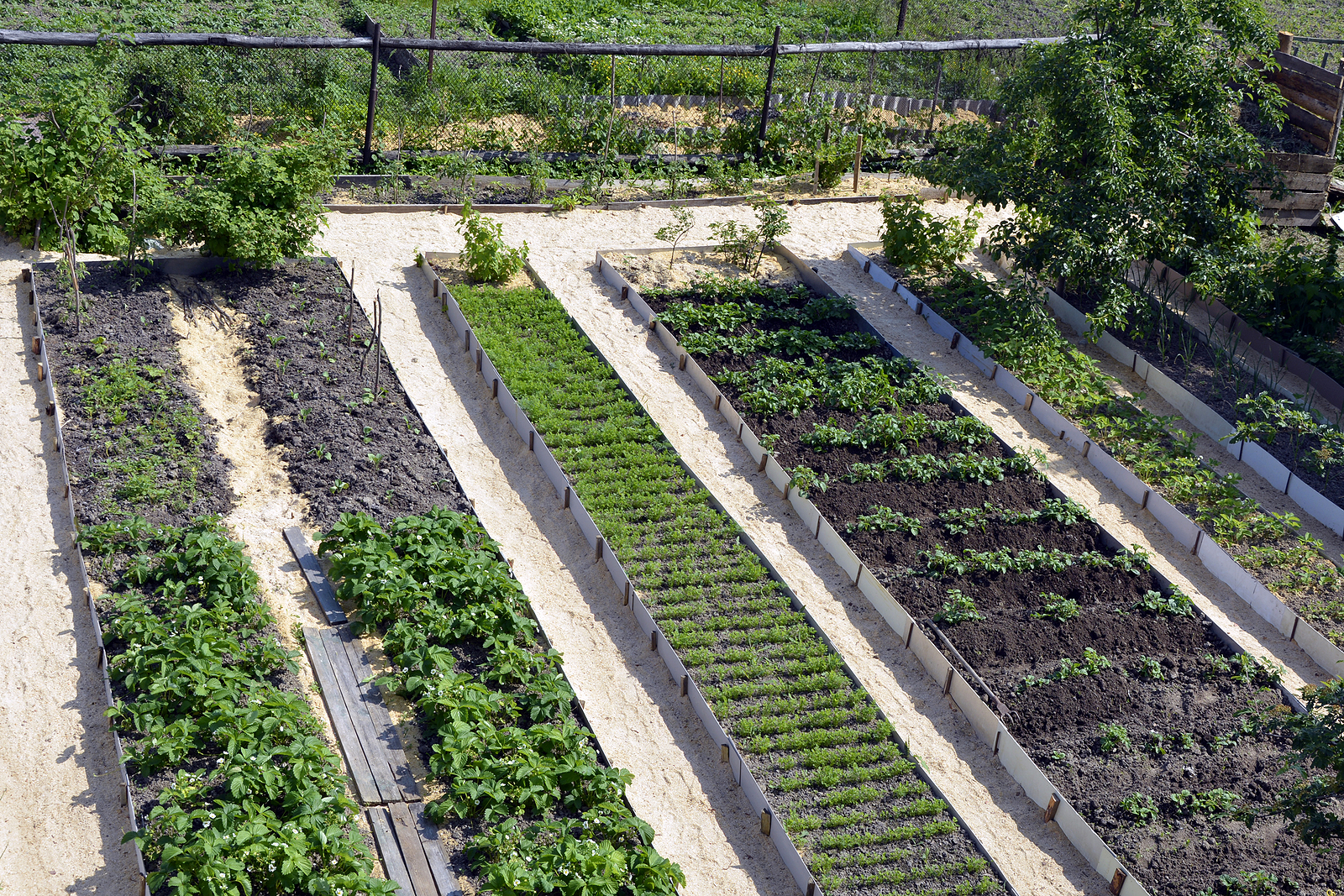
Succession Planting by Soil Temperature: How to Keep Your Vegetable Garden Producing All Season

Succession planting is one of the most effective ways to keep a vegetable garden productive from spring through late summer. Instead of planting everything at once and harvesting all at the same time, succession planting staggers crops so new plants are always entering production as older crops finish.
The key to successful succession planting is timing.
And the best timing guide is often soil temperature—not the calendar.
As soil warms through the season, one group of crops naturally hands the garden off to the next. Cool-season vegetables dominate early spring, transitional crops follow as soil warms, and heat-loving summer crops eventually take over. Understanding these soil temperature phases helps you know not only what to plant, but when to begin the next wave of planting.
Know What to Plant This Week
Every week I answer the gardener's most important question: what should I plant now? Get seasonal planting advice free — or go Pro for my full Soil Temperature Garden Report, with soil temperature, moisture, weather trends, and crop-by-crop recommendations.
The goal is simple:
As one planting matures, another is already beginning.
After gardening year-round in Sonoma Valley for decades, I’ve found that soil temperature creates a much more reliable planting schedule than dates alone. Some springs warm quickly, while others stay cool for weeks longer than expected. By watching soil temperatures closely, I can keep beds continuously productive without major gaps between harvests.
Why Succession Planting Works
Succession planting helps:
- extend harvest season
- improve garden productivity
- reduce feast-or-famine harvest cycles
- maximize bed space
- keep soil covered and active
- reduce weed pressure
- maintain continuous kitchen harvests
Instead of harvesting 20 heads of lettuce all at once or dealing with an overwhelming flood of beans in midsummer, succession planting spreads production over many weeks.
Small, repeated plantings create a steadier, easier-to-manage harvest.
🌱 50–55°F → Cool-Season Expansion Phase
The garden is filling with spring crops, and fast-growing cool-season vegetables can be planted repeatedly.
Focus On
- repeat sowings of lettuce, spinach, arugula, and radishes
- staggered carrot and beet plantings
- transplanting brassicas in waves for extended harvests
- building early-season bed coverage before warm weather arrives
Succession Strategy
Plant short rows every 1–2 weeks instead of planting everything at once.
This stage builds the foundation for steady spring harvests. Cool-season crops germinate reliably in cool soil and often develop their best flavor before summer heat arrives.
🌿 55–60°F → Spring-to-Summer Transition Phase
The garden begins shifting from cool-season dominance toward early warm-season establishment.
Focus On
- final sowings of cool-season greens
- continued root-crop succession planting
- first cautious warm-season sowings in protected beds
- preparing empty spring beds for summer crops
Succession Strategy
As spring crops mature, begin opening space for beans, basil, cucumbers, and tomatoes.
This is the overlap stage where spring and summer crops coexist together. In my garden, this is often when lettuce beds begin transitioning into beans or basil while root crops continue producing nearby.
☀️ 60–65°F → Early Warm-Season Establishment Phase
Warm-season succession planting begins in earnest.
Focus On
- first full sowings of bush beans and sweet corn
- cucumber and squash establishment
- transplanting tomatoes and peppers
- continuing small sowings of heat-sensitive greens in cooler pockets
Succession Strategy
Begin staggered sowings every 2–3 weeks for:
- bush beans
- sweet corn
- cucumbers
- summer squash
The goal is to spread harvests over a longer period instead of creating one large harvest wave.
Warm soil now supports rapid germination and aggressive root growth, allowing warm-season crops to establish much more reliably.
🌿 65–70°F → Reliable Summer Expansion Phase
This is where my Sonoma Valley garden often enters full summer production mode.
Warm-season crops now dominate new planting space, and growth accelerates rapidly due to warm nights and highly active soil biology.
Focus On
- second sowings of bush beans
- second corn succession plantings
- continuous cucumber sowing
- summer squash succession planting
- expanding basil plantings
- heat-tolerant greens in partial shade only
Succession Strategy
The garden now shifts from establishment into continuous summer production.
Tomatoes, peppers, cucumbers, and squash begin aggressive canopy growth and early flowering, while succession sowing keeps new crops entering production behind them.
Spacing, mulching, watering, and timing become increasingly important at this stage because growth accelerates quickly and beds fill rapidly.
🔥 70–75°F → Heat-Loving Crop Expansion Phase
True summer crops begin accelerating rapidly.
Focus On
- melons and watermelon succession planting
- okra establishment
- yardlong beans and heat-loving legumes
- basil renewal sowings
- replacing declining cool-season beds
Succession Strategy
As spring crops fully finish, heat-loving crops take over open bed space.
This becomes the major handoff into midsummer production. Fast-growing summer crops now benefit from both warm soil and long daylight hours.
🌞 75°F+ → Peak Summer Production Phase
The garden is now producing heavily and using water rapidly.
Focus On
- maintaining continuous harvest cycles
- replacing exhausted crops quickly
- protecting soil moisture with mulch
- keeping beans, cucumbers, basil, and squash in succession
Succession Strategy
At this stage, succession planting becomes less about spring transitions and more about maintaining steady harvest rhythm through late summer.
Quick replanting becomes critical. As one crop declines, another should already be ready to take its place. In hot summer weather, even short planting delays can reduce productivity.
My Experience With Succession Planting
Over many years of gardening in raised beds and mounded rows, I’ve learned that succession planting works best when it follows the natural warming pattern of the soil. Early in the season, I focus heavily on repeated sowings of greens, carrots, beets, and brassicas. As soil temperatures rise into the 60s, beans, cucumbers, squash, and basil gradually take over open bed space. By midsummer, the garden becomes a continuous rotation of harvesting, replanting, mulching, and watering.
The result is a garden that stays productive for months instead of peaking for only a few weeks.
Final Thought
The most productive vegetable gardens rarely come from one large planting day. They come from steady, continuous planting that follows the changing conditions of the season.
When you begin watching soil temperature instead of relying only on the calendar, succession planting becomes easier, more predictable, and far more productive.