Soil Temperature Gardening Guide: What to Plant and When

Most gardeners are taught to plant by the calendar. Plant peas in March. Tomatoes after frost. Beans “sometime in spring.” That system works on paper, but it breaks down in real gardens because weather is not consistent—and neither is soil warming.
After growing vegetables for decades, one pattern becomes clear: soil temperature is the most reliable planting signal in the garden. Not the date. Not the USDA zone. Not even the air temperature.
If you learn to read soil temperature, you stop guessing—and start planting with confidence.
Why Soil Temperature Matters More Than Dates
Seeds don’t respond to calendars. They respond to warmth in the soil.
- Germination only begins when soil reaches a crop’s minimum threshold
- Roots develop based on steady soil heat, not daytime highs
- Cold soil slows everything—even “warm-season” crops that are technically in season
This is why two gardeners in the same week can have completely different results. One has warm raised beds in full sun. Another has heavy soil still recovering from winter. Same date—different garden reality.
The Soil Temperature Ladder (Your Core Tool)
This is the simplest way to match crops to your garden conditions.
40–45°F → spinach, peas, fava beans, mâche, claytonia, parsnips, onions
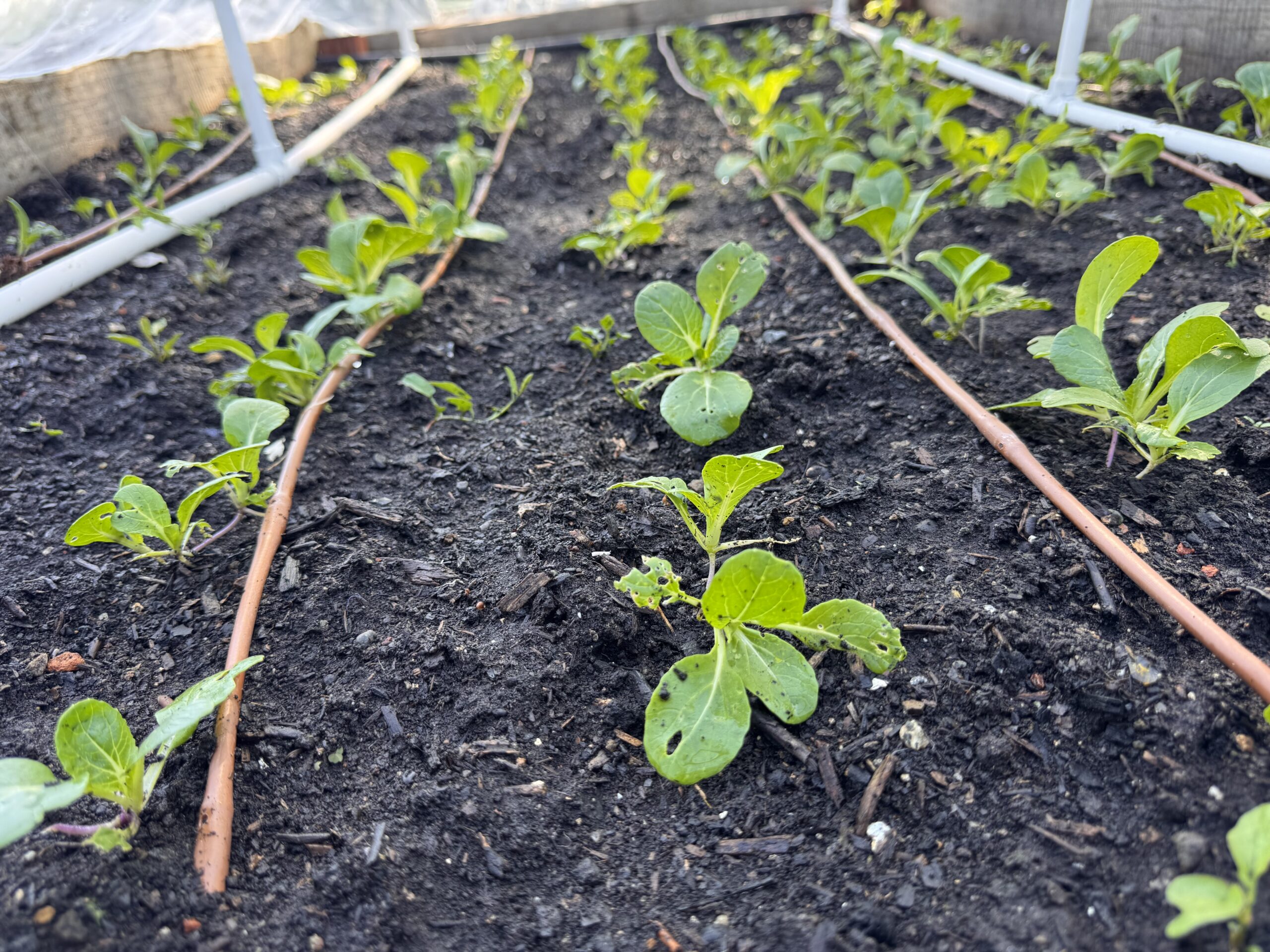
50°F → carrots, beets, lettuce, arugula, radishes, turnips, bok choy
55°F → broccoli, cabbage, kale, cauliflower, potatoes, leeks, celery
60°F → bush beans, sweet corn, basil, cilantro, scallions
65°F → tomatoes, cucumbers, squash, zucchini, peppers (establishing phase)
70°F → melons, watermelons, okra, eggplant, yardlong beans
75°F+ → heat specialists: peppers peak, melons accelerate, tropical crops thrive
The key idea: each crop has a temperature “doorway.” When soil passes that threshold, planting success increases dramatically.
What to Plant by Soil Temperature
❄️ Cold Soil (40–50°F): Early Season Foundation
This is the true cool-season garden. Growth is slow but steady.
Plant when soil is cold and stable:
- leafy greens like spinach and lettuce
- root crops like carrots and beets
- hardy legumes like peas and fava beans
At this stage, patience matters more than speed.
🌿 Cool-to-Moderate Soil (50–55°F): Root Expansion Phase
This is where the soil is alive but still cool.
Best crops:
- broccoli, cabbage, kale, cauliflower
- potatoes
- early greens and salad mixes
- onions, leeks, celery
These crops tolerate cool soil and build strong structure before heat arrives.
🌱 Transition Soil (55–60°F): The Shift Begins
This is where the garden starts changing gears.
You can now plant:
- early beans
- early corn in warm beds
- basil in protected sites
- cilantro and scallions
Cool-season crops still grow, but warm-season crops begin entering the system.
🌞 Early Warm Season (60–65°F): Main Planting Window
This is one of the most important planting phases of the year.
Now you can confidently plant:
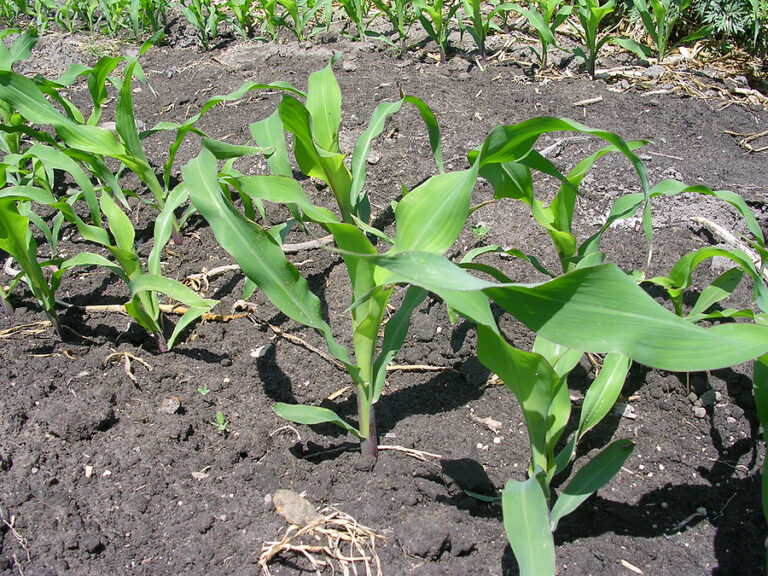
- bush beans and sweet corn
- cucumbers and summer squash
- basil
- tomatoes (transplants establish well here)
- peppers and eggplant (increasingly reliable)
This is the true “go time” for summer vegetables.
🔥 Warm Soil (65–70°F): Full Summer Mode
The garden is now transitioning fully into heat production.
Plant:
- melons and watermelons
- okra
- zucchini and squash succession plantings
- vigorous tomatoes and peppers
- yardlong beans and other heat lovers
Growth accelerates quickly at this stage.
☀️ Hot Soil (70°F+): Peak Summer System
This is high-performance gardening.
Crops here:
- melons at full speed
- peppers and eggplant thriving
- tropical vegetables and heat specialists
- continuous succession planting for beans and cucumbers
At this point, water management becomes as important as planting.
Zone 6–9 Reality Check
USDA zones are helpful—but they don’t tell you when to plant.
Two gardens in Zone 7 can be weeks apart:
- one in sandy soil warms quickly
- one in clay stays cold longer
That’s why soil temperature beats zones every time.
Use zones only as a timing reference:
- Zone 6 → later warming curve
- Zone 7–8 → moderate transition timing
- Zone 9 → early and extended warm season
But always confirm with soil temperature.
How to Use This in Your Garden
Each week, take one soil reading in the morning.
Then ask:
- What temperature is my soil really at?
- Which crops match that stage?
- Am I planting for the soil I have—or the calendar I wish I had?
That one habit changes everything.
Common Mistake to Avoid
The biggest mistake is planting warm-season crops into cold soil too early.
What happens:
- poor germination
- slow emergence
- disease pressure increases
- uneven stands in corn and beans
Waiting for soil warmth always produces stronger, faster crops.
My Experience
In my own garden, I stopped relying on planting calendars years ago and began tracking soil temperature instead. What I noticed quickly was that the same crop could behave completely differently from one season to the next depending on soil warmth. Beans that struggled in cool soil suddenly germinated evenly once I waited for a consistent warm window. Over time, I learned that soil temperature wasn’t just a detail—it was the organizing principle of the entire vegetable garden.
Final Thought
The garden doesn’t move on a fixed schedule. It moves in response to soil temperature.
Once you learn to read that signal, planting becomes less about guessing—and more about timing the moment when the soil is ready to grow.