Step-by-Step Guide to Using Cover Crops and Compost to Rebuild Compacted Soil

Compacted soil can hinder root growth, reduce water infiltration, and limit vegetable yields. The good news? Regenerative practices like cover crops and compost can restore soil structure naturally, making your garden fertile, friable, and full of life.
This step-by-step guide walks you through rebuilding compacted beds using methods I’ve practiced for decades in California’s Central Valley and Sonoma Valley.
Step 1: Assess Your Soil
Before taking action, understand the extent of compaction:
- Check for puddling or poor drainage after watering.
- Squeeze a handful of soil: if it forms a hard ball, it’s compacted.
- Observe root growth—shallow, stunted, or twisted roots indicate compaction.
Step 2: Choose the Right Cover Crops
Deep-rooted and fibrous cover crops are key:
Know What to Plant This Week
Every week I answer the gardener's most important question: what should I plant now? Get seasonal planting advice free — or go Pro for my full Soil Temperature Garden Report, with soil temperature, moisture, weather trends, and crop-by-crop recommendations.
- Daikon radish: penetrates hardpan layers and creates natural channels.
- Annual ryegrass: fibrous roots loosen topsoil and add organic matter.
- Crimson clover or alfalfa: fix nitrogen while gently opening compacted soil.
- Oats or buckwheat: improve surface structure and feed soil life.
Plant a mix suited to your season and climate for maximum benefit.
Step 3: Plant Cover Crops Properly
- Broadcast seeds evenly across compacted beds.
- Lightly rake or roll to ensure good soil contact.
- Water gently to encourage germination.
- Allow crops to grow until maturity or just before flowering, depending on species and climate.
Step 4: Add Compost
- Apply 2–3 inches of well-aged compost over the beds.
- Spread evenly without burying cover crops initially.
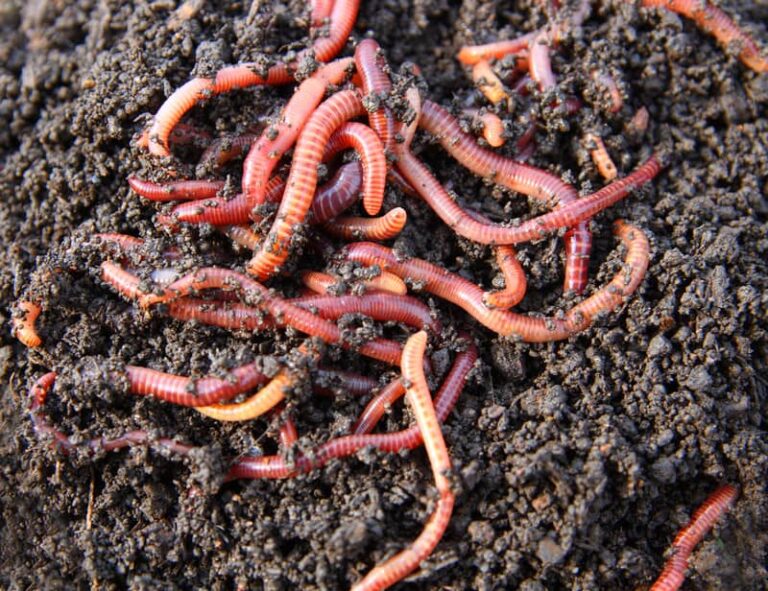
- Compost feeds microbes and earthworms, which actively loosen and aerate the soil.
Step 5: Terminate Cover Crops at the Right Time
- For frost-killed species like daikon radish, let them die naturally.
- For others, mow, cut, or roll down to prevent seeding.
- Leave residue on the surface as mulch to continue protecting soil.
Step 6: Integrate Soil Life
- Avoid tilling after cover crop incorporation; let worms and microbes mix compost into soil naturally.
- Optional: inoculate with mycorrhizal fungi or liquid compost tea to jump-start microbial activity.
Step 7: Repeat and Rotate
- For heavily compacted soil, repeat cover cropping and composting each season.
- Rotate crops and cover crops to maintain diversity, feeding soil biology and preventing re-compaction.
Step 8: Monitor Progress
- Soil should feel crumbly and sponge-like within a season or two.
- Earthworms, fungal threads, and improved root growth indicate success.
- Moisture should infiltrate easily, and puddling should diminish.
My Experience
When I started rebuilding clay-heavy beds in my early gardening years, the soil was nearly lifeless. After planting daikon radish and rye each fall, layering compost, and leaving the beds undisturbed, I saw dramatic improvement in just one season. The soil became soft, drains evenly, and teems with worms and microbes. Over decades, repeating this approach has consistently produced rich, living soil in both clay and sandy beds, proving that cover crops and compost are the most reliable tools for regenerating compacted soil naturally.