When to Use Low Tunnels, Cold Frames, and Caterpillar Tunnels in the Vegetable Garden

Extending the growing season is one of the most effective ways to increase reliability and productivity in a home vegetable garden. Three simple structures—low tunnels, cold frames, and caterpillar tunnels—can protect cool-season crops from frost, freezing temperatures, wind, and heavy rain. Each structure has its own strengths, ideal climate range, and best crop uses.
Visit the Winter Garden and Season Extension Learning Hub
Below is a detailed guide to understanding when and why to use each one.
Low Tunnels
A low tunnel is a series of hoops (PVC, metal, or fiberglass) covered with row cover fabric or greenhouse plastic, usually about 18–30 inches tall.
Best Uses
- Short-term frost protection
- Fall and early spring season extension
- Winter protection in mild climates (Zones 7–9) or in colder climates with double covering
Best Temperatures
- Fabric row cover: protects 4–8°F below outdoor temps
- Clear plastic: protects 8–12°F below outdoor temps
- Plastic + inner row cover: protects 12–20°F below outdoor temps (used in harsh climates like Zone 5)
Best Crops
- Lettuce
- Spinach
- Arugula
- Asian greens (tatsoi, mizuna, bok choy)
- Radishes
- Carrots (as winter storage under mulch)
- Beets
- Kale (in Zones 6–8)
Best Climates
- Zones 6–8: Ideal for overwintering hardy greens with a single layer of protection
- Zone 5: Very effective only with a second inner layer; used mostly for holding crops through winter
Strengths
- Inexpensive
- Quick to install
- Great for early planting
- Easy to vent on sunny days
Limitations
- Snow load can collapse hoops
- Small space for working
- Temps can swing widely on sunny days
Cold Frames
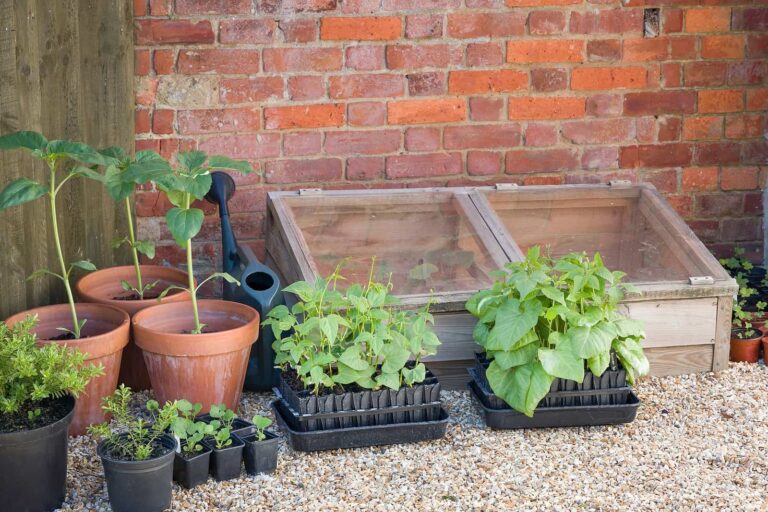
A cold frame is a bottomless wooden or metal box with a transparent, hinged top (polycarbonate lid, old window, or greenhouse panel). It traps solar heat and protects plants from wind.
Best Uses
- Starting early spring crops before outdoor soil warms
- Hardening off seedlings
- Winter protection for small, hardy crops
- Overwintering transplants such as lettuce, spinach, scallions, and herbs
Best Temperatures
- Maintains temps 10–20°F warmer than outside on sunny days
- Night protection varies, but cold frames stay significantly warmer than the open garden
- Can overheat above 50°F on sunny winter days—requires venting
Best Crops
- Spinach
- Lettuce
- Mache
- Radishes
- Scallions
- Parsley
- Cilantro
- Overwintered seedlings (kale, broccoli, cabbage)
Best Climates
- Useful in all zones, especially Zones 5–7
- In milder climates (Zones 8–9), cold frames function like mini greenhouses for year-round greens
Strengths
- Reliable winter germination for hardy crops
- Early start for spring planting
- Excellent heat retention
- Durable and long-lasting
Limitations
- More expensive and labor-intensive
- Requires frequent venting
- Limited space
Caterpillar Tunnels (Mini High Tunnels)
A caterpillar tunnel is a scaled-down greenhouse—tall enough to walk into, usually 4–8 feet high—with hoops covered by greenhouse plastic and tied or clipped down. Ends may be open or closed.
Best Uses
- Full winter vegetable production
- Large plantings of greens, roots, and herbs
- Long-term protection in cold climates, including Zones 4–5
- Extending warm-season crops late into fall
Best Temperatures
- Protects 15–25°F below outdoor temps
- Holds heat far better than low tunnels
- Best for climates with deep freezes or heavy winds
Best Crops
- Spinach
- Kale
- Collards
- Mustard greens
- Asian greens
- Lettuce
- Carrots
- Beets
- Turnips
- Herbs (parsley, cilantro)
- Winter scallions
- Even hardy brassicas like early cabbage and overwintering broccoli in Zones 6–8
Best Climates
- Zones 4–6: Ideal for reliable winter harvests
- Zones 7–8: Enables nearly year-round production
- Windy or exposed sites—tunnels stay in place better than low tunnels
Strengths
- Large interior space = stable temperatures
- Easy to work inside during winter
- Excellent for both overwintering and harvesting
- Handles snow load better than low tunnels
Limitations
- Higher cost
- Requires anchoring and tensioning
- Needs regular venting in sunny winter weather
Which Should You Choose?
Choose a Low Tunnel if:
- You want an inexpensive, quick solution
- You only need protection for greens and roots
- You garden in Zones 6–9 (or Zone 5 with double covering)
Choose a Cold Frame if:
- You want to germinate early spring crops outdoors
- You need a place to harden off seedlings
- You prefer a fixed, durable structure
Choose a Caterpillar Tunnel if:
- You grow lots of winter vegetables
- You live in a cold or windy climate
- You want winter harvests—not just winter survival
Low Tunnels vs. Cold Frames vs. Caterpillar Tunnels: Comparison Chart
| Feature | Low Tunnel | Cold Frame | Caterpillar Tunnel |
|---|---|---|---|
| Definition | Series of hoops covered with row cover or plastic; 18–30″ tall | Bottomless box with hinged transparent lid; solar-heated | Large, walk-in mini greenhouse with hoop frame and plastic cover |
| Best Use | Frost protection, fall/spring extension, light winter growing | Germinating early crops, overwintering seedlings, winter greens | Full winter production, overwintering, larger plantings |
| Temperature Protection | 4–12°F (single cover) / 12–20°F (double cover) | 10–20°F warmer on sunny days | 15–25°F and very stable |
| Best Climates | Zones 6–9 (Zone 5 with double cover) | Zones 5–7 (works in all zones) | Zones 4–8; windy or exposed sites |
| Best Crops | Lettuce, spinach, arugula, radishes, carrots, beets, Asian greens | Lettuce, spinach, mache, radish, scallions, parsley | Kale, spinach, collards, lettuce, carrots, beets, turnips, overwintered brassicas |
| Cost | Low | Medium | High |
| Portability | High — easy to set up and move | Medium — semi-permanent | Medium to low — requires anchoring |
| Ease of Venting | Easy, but overheats fast on sunny days | Must be vented daily in sun | Roll-up sides allow controlled venting |
| Snow Load | Poor (collapses easily) | Good (stout with hinged lid) | Very good (arched structure sheds snow) |
| Wind Resistance | Fair | Good | Excellent (properly anchored) |
| Space Inside | Small; limited working room | Small but usable | Large; walk-in access |
| Best For Beginners? | Yes | Yes | Intermediate to advanced |
| Longevity | 1–3 years (hoops + covers may need replacing) | 5–20 years depending on materials | 5–10 years with periodic re-covering |
| Season Extension Value | ★★★☆☆ | ★★★★☆ | ★★★★★ |
Summary at a Glance
Low Tunnels:
Best for small gardens, mild climates, and inexpensive frost protection.
Cold Frames:
Best for starting early crops, hardening off transplants, and overwintering hardy greens.
Caterpillar Tunnels:
Best for serious winter gardening, heavy snow or wind, and abundant winter harvests.