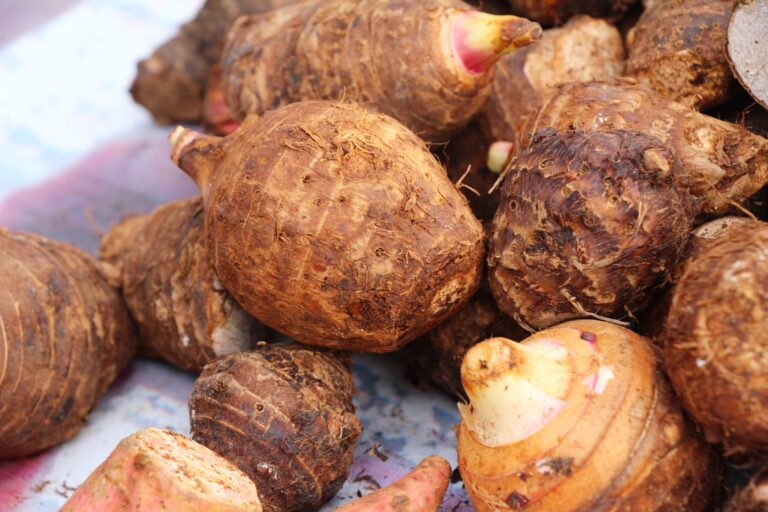
Sweet Potatoes vs. Yams: Understanding the Difference

If you’ve ever wandered the grocery store aisles or planned your fall garden, you may have noticed sweet potatoes and yams often sold side by side. Many people assume they’re the same, but in reality, they are quite different—botanically, nutritionally, and in the garden.
Sweet Potatoes (Ipomoea batatas)
Sweet potatoes are a member of the morning glory family. They are native to Central and South America and have been cultivated for thousands of years. There are two main types commonly found in the U.S.:
- Soft, orange-fleshed varieties: Sweet, moist, and commonly used in casseroles and pies.
- Firm, lighter-fleshed varieties: Less sweet, drier, and better for roasting or fries.
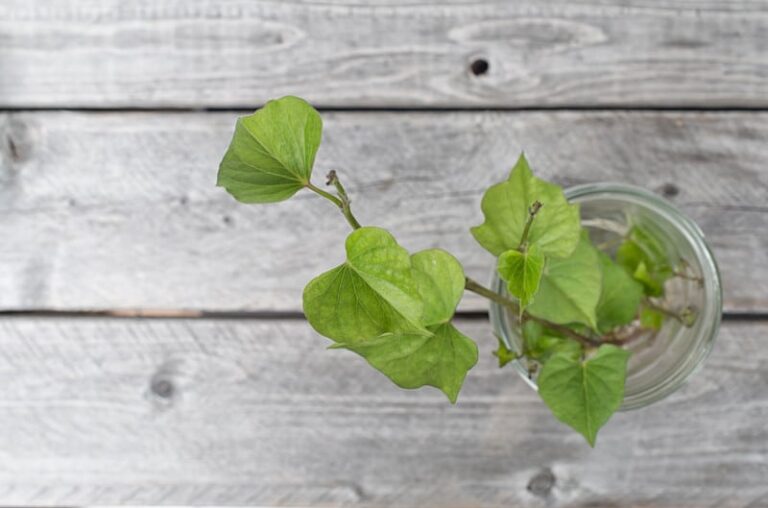
Sweet potatoes are easy to grow in a home garden in Sonoma and other temperate regions, thriving in well-drained soil with plenty of sunlight. They are typically planted from slips (small rooted shoots) rather than seeds.
Yams (Dioscorea species)
True yams are starchy tubers native to Africa and Asia, botanically unrelated to sweet potatoes. They have rough, scaly skin and can grow very large. Yams are often drier and starchier than sweet potatoes, with a more neutral flavor.
In most U.S. supermarkets, the orange “yams” sold alongside sweet potatoes are actually soft sweet potatoes, not true yams.
Colocasia (Taro or “Yam Plant”)
Colocasia is another tuber often called “yam” in some regions, particularly in tropical areas. This plant produces edible corms rather than true tubers and has large, elephant-ear shaped leaves. It is grown mostly in warm climates with consistently moist soil and is not the same as either sweet potatoes or true yams.
Key Takeaways
- Sweet potatoes are Ipomoea batatas, sweet, versatile, and easy to grow.
- True yams are Dioscorea species, starchy, and largely grown in tropical regions.
- Colocasia is sometimes called “yam” but is a completely different plant used in tropical cuisine.
Understanding these differences helps gardeners choose the right plant for their kitchen and garden, and prevents confusion when following recipes or shopping at the market.
Which Is Right For Your Kitchen
1. Sweet Potatoes (Ipomoea batatas)
- Best for: Baking, roasting, mashing, casseroles, fries, soups, pies.
- Flavor/Texture: Sweet, moist or firm depending on variety.
- Why choose it: Widely available, easy to grow in temperate climates, versatile in most recipes that call for “yams” in the U.S.
2. True Yams (Dioscorea species)
- Best for: Dishes that need a starchy, dry tuber (common in African, Caribbean, and Asian cuisine).
- Flavor/Texture: Less sweet, very starchy, can be huge.
- Why choose it: Needed if you’re following a traditional recipe calling for real yams. Rare in most U.S. supermarkets.
3. Colocasia (Taro)
- Best for: Tropical dishes, Asian stews, poi (Hawaiian dish), or boiling/steaming.
- Flavor/Texture: Starchy, nutty; must be cooked (raw is toxic).
- Why choose it: Only use if the recipe specifically calls for taro or colocasia.
💡 Bottom line: For most American kitchens, sweet potatoes are the best choice. They’re versatile, flavorful, and easy to find and cook. True yams or colocasia are more specialized and used in specific cuisines.
Quick Reference Chart
| Plant | Common Use in Kitchen | Flavor / Texture | Notes / Tips | Growing / Garden Info |
|---|---|---|---|---|
| Sweet Potato (Ipomoea batatas) | Baking, roasting, mashing, casseroles, fries, soups, pies | Sweet, moist or firm depending on variety | Most versatile; U.S. recipes usually call for “yams” | Plant slips after last frost; needs well-drained, loose soil and full sun; harvest in fall before frost |
| True Yam (Dioscorea species) | Boiling, frying, traditional African/Caribbean dishes | Starchy, dry, neutral flavor | Rare in U.S. grocery stores; use for traditional recipes | Tropical plant; needs warm climate and long growing season; challenging in temperate gardens |
| Colocasia / Taro | Steaming, boiling, poi, tropical/Asian dishes | Starchy, nutty | Must be cooked; raw is toxic; used in specific cuisines | Needs consistently moist soil or shallow water; tropical/subtropical climate; grows from corms |
💡 Summary:
- For everyday U.S. cooking, grow and cook sweet potatoes.
- For specialty recipes, source true yams or colocasia from specialty markets.
- Garden-friendly note: sweet potatoes are easiest to grow in Sonoma or temperate climates.
I