Succession Planting Tips for the Vegetable Garden

Succession planting is one of the best ways to keep your vegetable garden producing continuously throughout the season. Instead of planting everything all at once, you stagger sowings of the same crop—or rotate crops in the same bed—so you always have fresh harvests and fewer gaps. Over decades of gardening in Sonoma, I’ve found that this approach maximizes yield, reduces pest pressure, and spreads out work over the growing season.
Why Succession Planting Works
- Continuous harvests → Avoid large surges of produce all at once.
- Pest and disease management → Staggering crops reduces the buildup of pests in a single bed.
- Soil health → Rotating and timing plantings helps maintain nutrient balance.
- Flexibility → If one sowing fails due to weather or pests, the next planting can still succeed.
How to Plan Succession Planting
- Identify fast-growing crops → Leafy greens, radishes, and bush beans mature quickly and can be replanted multiple times.
- Stagger planting dates → Sow every 1–3 weeks depending on crop and season.
- Rotate crops → Follow heavy feeders with light feeders or soil-improving crops.
- Use containers or microclimates → Extend season and make early or late plantings possible.
- Monitor soil temperature and moisture (VWC) → Ensure each sowing has optimal conditions for germination and growth.
Succession Planting Examples
- Leafy greens: Lettuce, spinach, kale → Sow every 2 weeks for a continuous salad harvest.
- Root crops: Radishes, carrots, beets → Plant every 2–3 weeks for steady harvests.
- Beans: Bush beans → Sow every 2–3 weeks; pole beans can be staggered along trellises.
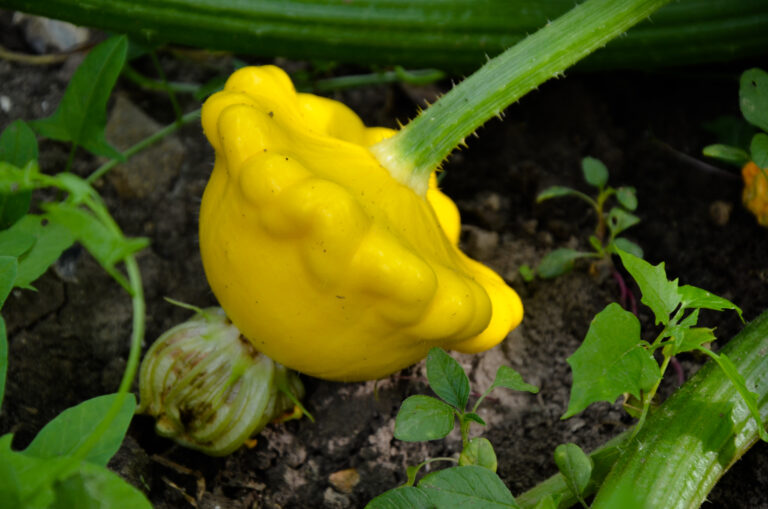
- Cucurbits: Summer squash, zucchini → Plant in 1–2 week intervals for ongoing fruit production.
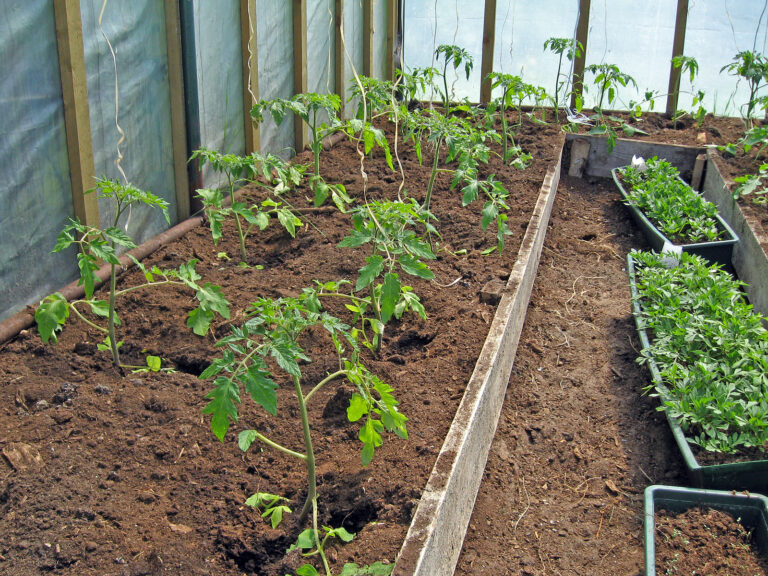
- Tomatoes and peppers: Start seeds indoors and transplant in waves for staggered fruiting.
- Herbs: Basil, cilantro, parsley → Sow every few weeks for continuous supply.
- Cool-season crops: Broccoli, cauliflower → Plant early, then follow with late-season crops as soil warms.
Practical Tips
- Label everything → Keep track of planting dates to know when to sow next.
- Adjust for microclimates → Raised beds or containers warm faster, so early plantings may succeed there first.
- Plan for succession blocks → Sow small batches rather than entire beds at once to reduce risk.
- Keep notes on growth and harvest → Over time, you’ll refine timing for your climate and crops.
Succession planting keeps your garden productive, flexible, and resilient. With careful timing and planning, you can harvest fresh vegetables from early spring through late fall without gaps or wasted space.
🌱 Succession Planting Calendar for Vegetables
| Crop Type | First Sowing | Interval | Notes / Harvest Window |
|---|---|---|---|
| Leafy greens (lettuce, spinach, kale) | Early March | Every 2 weeks | Fast-growing; continuous salad harvest through May–June, then replant in fall |
| Radishes | Early March | Every 2 weeks | 25–30 days to maturity; sow through May |
| Carrots & Beets | Mid-March | Every 3 weeks | Plant in blocks; thin seedlings for better roots |
| Bush Beans | Late March / Early April | Every 2–3 weeks | Succession harvest from May through July |
| Pole Beans | Late April | Every 2–3 weeks | Trellis for longer harvest; pick continually |
| Summer Squash & Zucchini | Mid-April | Every 1–2 weeks | Stagger sowings to avoid overproduction at once |
| Cucumbers | Mid-April | Every 2 weeks | Container starts allow early harvest; transplant outside gradually |
| Tomatoes & Peppers | Start seeds indoors early March | Transplant in waves | Plant 2–3 week intervals; pick as fruit matures |
| Broccoli & Cauliflower | Early March | Every 3–4 weeks | Early sowing gives spring heads; later sowings extend into summer/fall |
| Herbs (basil, cilantro, parsley) | Early March | Every 3 weeks | Sow in blocks; stagger harvest for continual supply |
Tips for Using the Calendar
- Label your plantings with sow date and crop for tracking.
- Adjust for microclimates — raised beds and containers warm faster than in-ground soil.
- Combine with soil temperature and VWC — only sow when conditions support germination.
- Plan blocks rather than entire beds — reduces risk from pests or weather.
- Keep a garden journal — refine intervals year-to-year based on actual growth and harvest.
✅ With this calendar, you can keep a continuous, productive garden from early spring through fall, without overcrowding or wasted space.