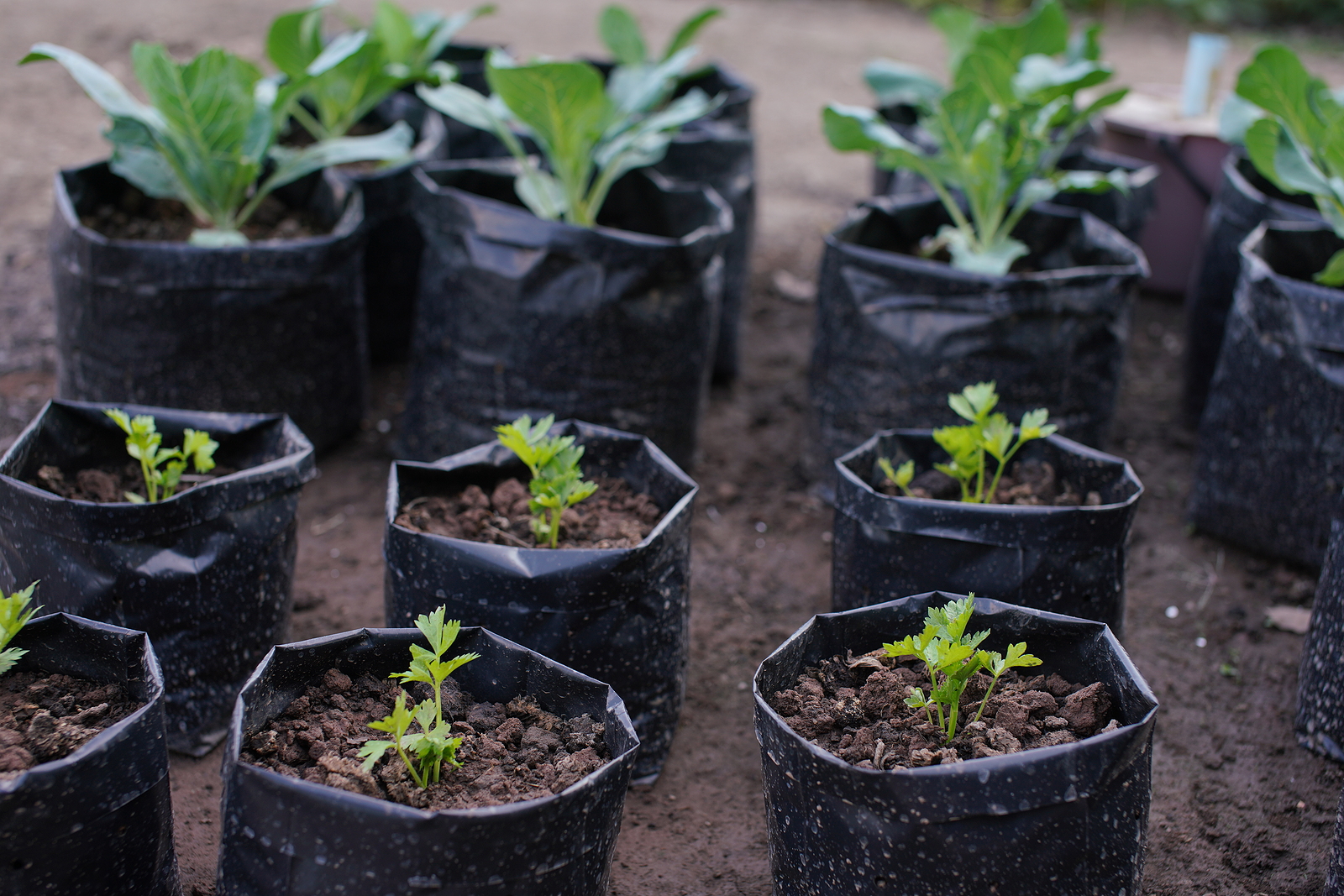
Slow Growing Vegetables in Containers (How to Fix Stunted Growth)

When vegetables in containers grow slowly—or seem stuck—you’re almost always dealing with root restriction, inconsistent feeding, or environmental stress.
I’ve grown vegetables in containers and raised beds for decades in Sonoma Valley. When growth stalls, the issue is rarely mysterious. It’s usually something simple—and fixable—happening in the root zone.
This guide shows you exactly why container vegetables slow down—and how to get them growing again fast.
What “Slow Growth” Really Means
Healthy vegetables should show steady, visible progress week to week.
Know What to Plant This Week
Every week I answer the gardener's most important question: what should I plant now? Get seasonal planting advice free — or go Pro for my full Soil Temperature Garden Report, with soil temperature, moisture, weather trends, and crop-by-crop recommendations.
If you’re seeing:
- Little to no size increase
- Pale or undersized leaves
- Delayed flowering or fruiting
👉 Your plant isn’t just slow—it’s being limited.
Problem #1: Root Restriction (Most Common Cause)
Containers define the root zone. Once roots hit the limit, growth above ground slows or stops.
Signs:
- Plant looks “stuck” in size
- Soil dries out very quickly
- Water runs straight through
Fix:
Upsize the container immediately:
- Leafy greens: 1–2 gallons
- Peppers: 3–5 gallons
- Tomatoes: 5–10+ gallons
Loosen roots gently when transplanting.
👉 In my garden, moving a stalled plant into a larger container often restarts growth within days.
Problem #2: Nutrient Gaps (Containers Run Empty Fast)
Potting mix doesn’t hold nutrients long—especially with frequent watering.
Signs:
- Yellowing leaves (especially older ones)
- Thin stems
- Weak or slow new growth
Fix: Consistent Feeding Plan
Use both slow-release + liquid feeding:
- Balanced slow-release fertilizer
- Liquid vegetable fertilizer
- Fish emulsion (quick recovery boost):
👉 Feed lightly every 7–10 days. Consistency matters more than strength.
Problem #3: Inconsistent Watering
Container plants rely entirely on you. Irregular watering causes growth to stall.
Signs:
- Wilting between waterings
- Leaf curl or drop
- Soil alternating between dry and soggy
Fix:
- Water deeply until drainage occurs
- Let top inch dry before watering again
- Water at the same time daily (morning is best)
Problem #4: Poor Soil Quality
Low-quality or old potting mix restricts root function.
What Happens:
- Poor drainage
- Reduced oxygen to roots
- Nutrient lockout
Fix:
Upgrade your mix:
👉 I refresh or replace container soil every season. It’s one of the biggest yield upgrades you can make.
Problem #5: Temperature Stress
Vegetables grow within specific temperature ranges.
Too Cold:
- Roots slow down
- Nutrient uptake drops
Too Hot:
- Plants shut down to conserve energy
Fix:
- Move containers to optimal conditions
- Use shade cloth in extreme heat
- Protect from cold snaps early in the season
Problem #6: Not Enough Sunlight
Vegetables need energy to grow. Containers placed in partial shade often underperform.
Signs:
- Leggy growth
- Slow development
- Weak stems
Fix:
- Minimum 6–8 hours of direct sun
- Relocate containers if needed
Problem #7: Salt Buildup (Hidden Growth Blocker)
Frequent fertilizing without flushing causes salt accumulation.
Signs:
- White crust on soil
- Leaf burn
- Plant stops responding to feeding
Fix:
- Flush containers every 3–4 weeks with deep watering
Quick Fix Checklist
If your container vegetables are growing slowly:
- Is the container large enough?
- Are you feeding consistently?
- Is watering stable?
- Is the soil fresh and well-draining?
- Are temperatures in range?
- Is the plant getting enough sun?
Fix these, and growth typically accelerates quickly.
My Experience (What Actually Works)
After decades of growing vegetables in containers, I’ve learned:
👉 Slow growth is almost always a root-zone problem.
When I troubleshoot, I follow this order:
- Increase root space
- Stabilize watering
- Feed consistently
That sequence solves the issue the vast majority of the time.
Final Takeaway
Slow-growing container vegetables aren’t “behind”—they’re restricted.
The main causes are:
- Root limitation
- Nutrient gaps
- Environmental stress
Fix the root environment, and growth will follow.