September Vegetable Garden Tasks: Transitioning the Garden for Fall

September is a true turning point in the vegetable garden. Days shorten, nights cool, and growth begins to slow. This is the month to shift from summer maintenance to thoughtful transition—clearing space, restoring soil, and helping fall crops establish strong roots.
1. Adjust Watering as Temperatures Cool
Water needs begin to change.
- Reduce frequency but continue deep watering
- Water earlier in the day to avoid cool, damp nights
- Check soil moisture before irrigating
Overwatering can become an issue as growth slows.
2. Remove Summer Crops Thoughtfully
As summer crops finish, clear beds with intention.
- Remove spent plants once production declines
- Cut plants at soil level to protect soil structure when possible
- Compost healthy plant material
Clearing beds now creates space and improves airflow.
3. Feed and Restore Garden Soil
September is ideal for soil building.
- Add compost to beds after crop removal
- Top-dress rather than deeply digging
- Allow soil life to incorporate organic matter naturally
Healthy soil supports fall growth and winter resilience.
4. Mulch for Moisture and Temperature Control
Mulch serves a new role in fall.
- Apply mulch to retain moisture and moderate soil temperature
- Protect shallow-rooted fall crops
- Prepare beds for cooler nights ahead
Mulch now helps crops establish before cold weather.
5. Support and Protect Young Fall Crops
New plantings need attention.
- Provide consistent moisture while roots establish
- Protect from lingering heat or early pests
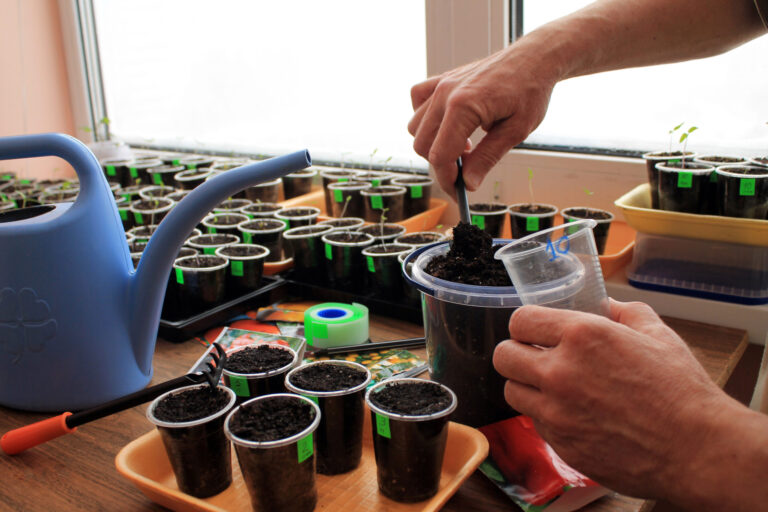
- Thin seedlings for proper spacing
Strong early growth leads to better cold tolerance later.
6. Watch for Fall Pests and Disease
Pests don’t disappear immediately.
- Continue monitoring aphids, caterpillars, and leaf miners
- Remove damaged foliage promptly
- Keep beds clean and well-spaced
Healthy plants enter winter stronger.
7. Harvest and Preserve Summer Crops
September is a major harvest month.
- Pick tomatoes, peppers, squash, and beans regularly
- Preserve surplus through freezing or drying
- Remove unproductive plants to focus energy on remaining crops
Clearing excess improves airflow and light.
8. Observe and Plan Ahead
September offers valuable lessons.
- Note which varieties handled heat and stress best
- Record planting dates and yields
- Begin planning winter protection and spring rotations
Good notes improve next season’s success.