Seed Starting Vegetables in May

May is the month when the garden is in full swing. Frost risk has mostly passed, soil is warming, and warm-season crops can finally go in the ground. This is the time for direct sowing, transplanting, and succession planting to keep beds productive all season. In addition to planting, May is also about supporting seedlings with consistent watering, feeding, and careful thinning to ensure strong, vigorous growth for a summer full of harvests.
Zone-by-Zone Seed Starting Guide for May
Listed by USDA Plant Hardiness Zones, warmest zones first:
Zone 10–11
(Where the annual low temperatures can reach 30°F / -1°C.)
- Direct-sow heat-loving vegetables and herbs.
- Plant successive sowings of beans, corn, cucumbers, squash, and melons.
- Plant sweet potatoes, okra, and yard-long beans.
- Transplant tomatoes, peppers, and eggplant for summer production.
- Continue feeding seedlings with liquid fertilizer every 10–14 days.
- Mulch garden beds to conserve moisture and moderate soil temperature.
- Remove remaining cool-season crops that are bolting and compost them.
- Plant tropical fruits and heat-tolerant perennial herbs.
- Provide shade cloth for young seedlings if temperatures spike.
- Monitor irrigation closely as days grow warmer.
Zone 9
(Where the annual low temperatures can reach 20°F / -7°C.)
- Direct-sow warm-season vegetables once soil is consistently warm.
- Plant corn, beans, squash, cucumbers, pumpkins, and melons.
- Transplant tomatoes, peppers, eggplant, basil, and sweet potatoes.
- Continue succession sowing of bush beans and sweet corn.
- Feed seedlings with liquid fertilizer after planting.
- Thin seedlings to recommended spacing to improve airflow.
- Mulch beds to retain moisture and suppress weeds.
- Remove declining cool-season crops.
- Stake and cage tomatoes early to avoid root disturbance later.
- Protect young plants from unexpected cool nights with row cover if needed.
Zone 8
(Where the annual low temperatures can reach 10°F / -12°C.)
- Set out tomatoes, peppers, and eggplant once frost danger has passed.
- Direct-sow corn, beans, squash, cucumbers, pumpkins, and melons.
- Plant sweet potato slips toward the end of the month.
- Continue sowing basil, dill, cilantro, and summer herbs.
- Thin overcrowded seedlings from earlier sowings.
- Side-dress heavy feeders with compost or organic fertilizer.
- Mulch beds as soil warms to maintain even moisture.
- Replace fading cool-season crops with warm-season vegetables.
- Train peas and climbing beans onto supports.
- Water deeply during dry spells.
Zone 7
(Where the annual low temperatures can reach 0°F / -18°C.)
- Transplant hardened-off warm-season crops after last frost.
- Plant tomatoes, peppers, eggplant, squash, cucumbers, and corn.
- Direct-sow beans, melons, pumpkins, and summer squash.
- Continue sowing lettuce and leafy greens in partial shade.
- Thin seedlings from April sowings.
- Mulch newly planted beds to protect soil moisture.
- Stake tomatoes and install trellises early.
- Monitor for late frosts and keep row covers handy early in the month.
- Begin regular feeding of fast-growing crops.
Zone 6
(Where the annual low temperatures can reach -10°F / -23°C.)
- Finish preparing beds with compost before planting.
- Direct-sow peas, carrots, beets, lettuce, and spinach early in the month.
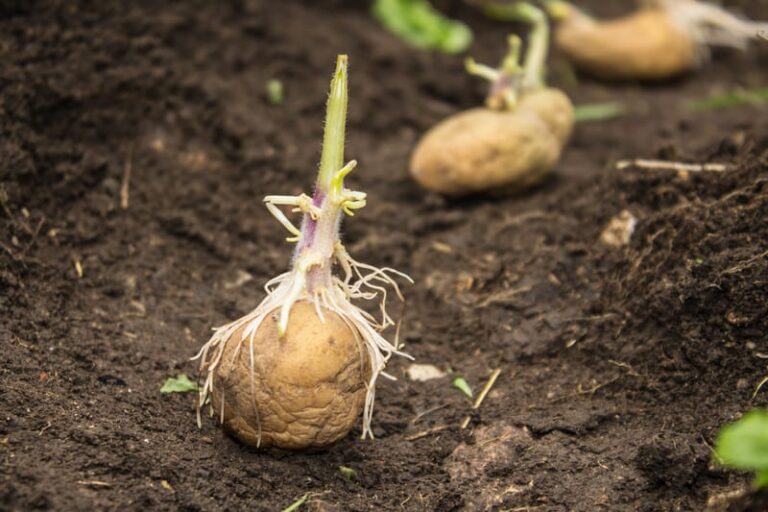
- Plant potatoes if not already done.
- Harden off seedlings before transplanting.
- Transplant broccoli, cabbage, kale, and onions.
- Toward mid-to-late month, plant tomatoes, peppers, and eggplant with protection.
- Direct-sow beans, squash, and cucumbers after frost danger passes.
- Use cloches or row covers to protect young plants from cold nights.
- Mulch beds after soil warms.
- Continue thinning seedlings for proper spacing.
Zone 5
(Where the annual low temperatures can reach -20°F / -29°C.)
- Finish preparing planting beds with compost and organic amendments.
- Direct-sow cool-season vegetables early in the month: peas, spinach, lettuce, radishes, carrots, and beets.
- Plant potatoes once soil can be worked.
- Start hardening off seedlings grown indoors.
- Transplant broccoli, cabbage, kale, onions, and leeks under row cover.
- Toward the end of the month, transplant tomatoes, peppers, and eggplant with protection.
- Direct-sow beans, corn, squash, and cucumbers after the danger of frost has passed.
- Use cloches, cold frames, or row cover to protect young plants from late frosts.
- Thin seedlings of earlier sowings.
- Mulch beds once soil warms to conserve moisture.
Zone 4
(Where the annual low temperatures can reach -30°F / -34°C.)
- Prepare and warm garden beds using black plastic or row covers.
- Direct-sow cold-hardy crops: peas, spinach, lettuce, kale, radishes, and turnips.
- Plant seed potatoes and onion sets.
- Start hardening off seedlings during mild days.
- Transplant brassicas and onions under protection.
- Sow carrots and beets once soil temperatures allow.
- Delay planting warm-season crops until late May or early June.
- Keep frost protection materials close at hand.
- Thin seedlings for proper spacing as they emerge.
- Water sparingly; cold soils hold moisture longer.
Zone 3
(Where the annual low temperatures can reach -40°F / -40°C.)
- Focus on soil preparation and warming beds.
- Direct-sow the hardiest vegetables: peas, spinach, lettuce, radishes, and kale.
- Plant seed potatoes and onion sets late in the month.
- Start most warm-season crops indoors if not already started.
- Transplant hardy brassicas under cloches or cold frames.
- Use low tunnels or row cover to increase soil and air temperatures.
- Delay outdoor planting of tomatoes, peppers, squash, and beans until June.
- Thin seedlings carefully; growth will be slow in cool soils.
- Protect young plants from wind and late frosts.
Fall Transition: Looking Ahead
As May draws to a close, the focus begins shifting from establishing crops to maintaining strong, productive growth. Early-sown summer vegetables are developing quickly, while later successions can be started to ensure a steady harvest. Keep beds well-watered, mulch where needed, and monitor seedlings for pests or overcrowding. Laying the groundwork now allows the garden to flourish through the hotter months ahead and sets the stage for late-summer planting.