How to Prune a Rose by Type: Advanced Techniques for Every Rose Class

Most roses should be pruned at the beginning of the growing season. Prune hybrid tea, grandiflora, floribunda, polyantha, climbers, groundcover, miniature, and tree roses in late winter or early spring just as growth begins.
Species roses and non-repeating old garden roses are pruned later, in summer after they have bloomed.
Roses that are left unpruned will flower less and can become prone to attack by insects and diseases.
Hybrid tea, grandiflora, floribunda, polyantha, climbers, groundcover, miniature, and tree roses are known as modern roses. The best time to prune modern roses is in early spring when the buds are just about to burst open and the stems are all still clearly visible.
Know What to Plant This Week
Every week I answer the gardener's most important question: what should I plant now? Get seasonal planting advice free — or go Pro for my full Soil Temperature Garden Report, with soil temperature, moisture, weather trends, and crop-by-crop recommendations.
Rose pruning tips
- Always use the sharpest and cleanest pruning shears that you can. It is best to use bypass pruners that make sharp cuts; avoid using anvil pruners unless you are pruning deadwood.
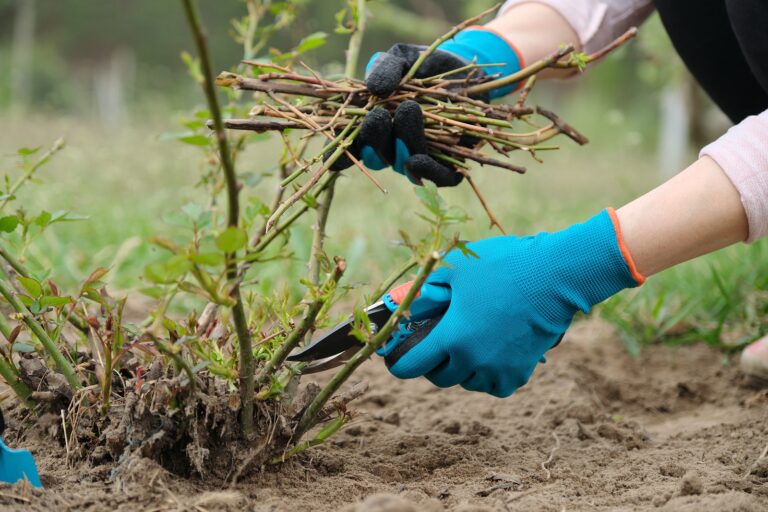
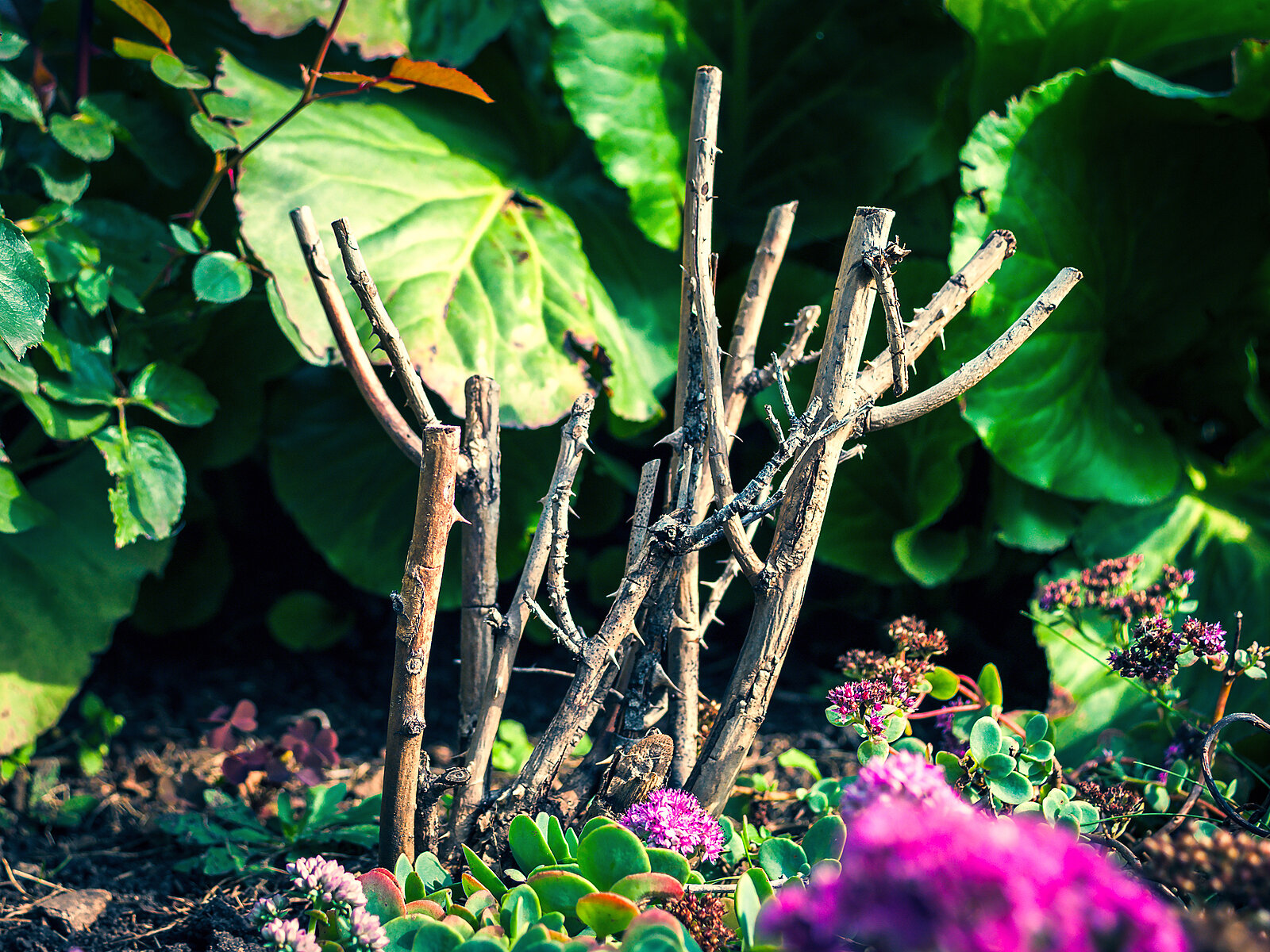
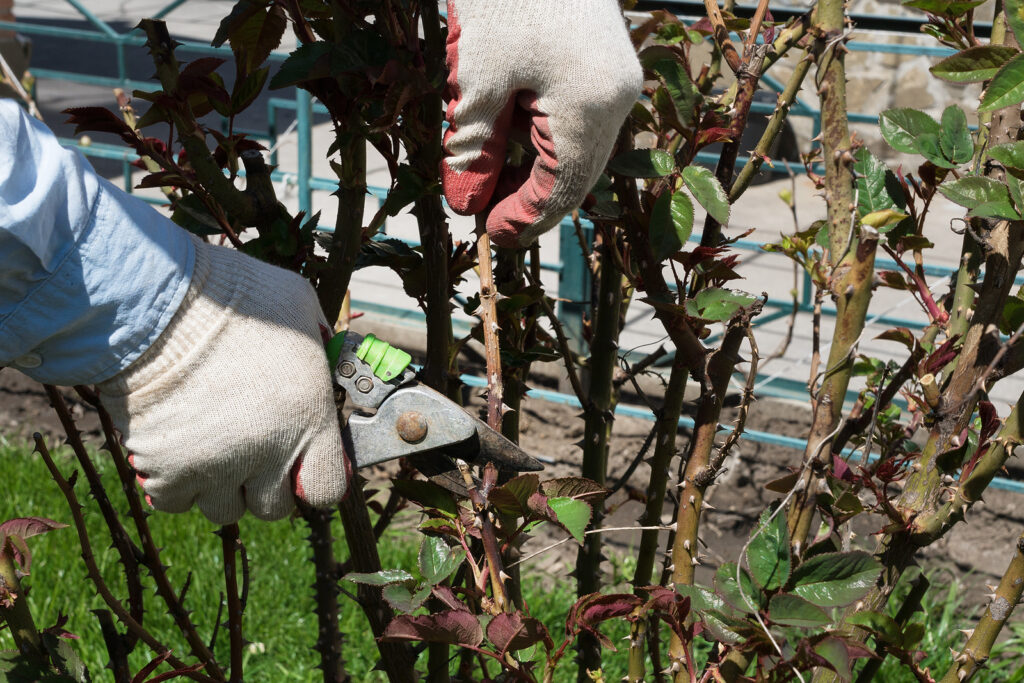
- First, remove wood that is damaged, diseased, or dead. Severe winter weather often causes damage to rose stems or canes. Deadwood can be distinguished by an absence of buds. Winterkill will be gray or brown areas on the stems. When pruning, cut below dead tissue; cut back to the healthy white pith (the tissue in the center of the cane).
- Next prune away weak, small growth that will not support flowers. Weak growth is where disease can begin, and so it should be removed.
- Roses need plenty of air circulation and light to the center of the plant. Open up the center of the plant by removing cluttered canes. Remove canes that are crowded—that are rubbing or closely crossing one another.
- Remove older canes; these canes will be discolored and have cracked bark at their base. Older canes will be leggy with little foliage; they produce fewer and fewer flowers. Prune old canes to the ground. The lower you prune modern shrub-type roses such as floribundas, grandifloras, polyanthas, and hybrid teas, the stronger the new growth will be. Modern shrub roses that are heavily pruned will develop new, strong canes from the base of the plant; these canes will produce the best flowers.
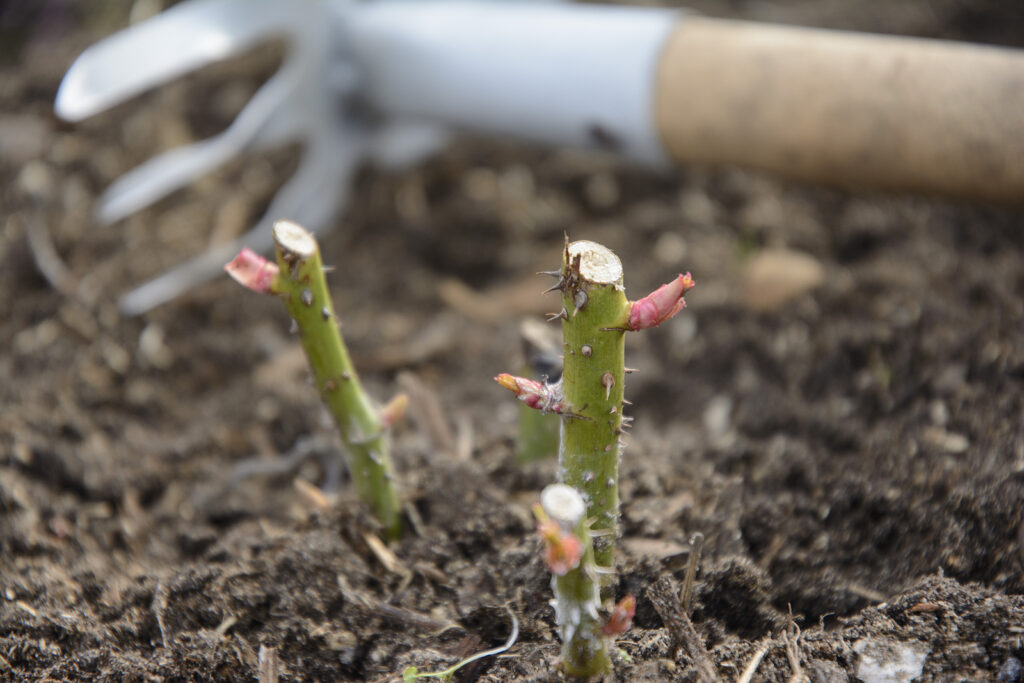
- Make each pruning cut at a 45-degree angle, about ¼ inch above a swelling or newly breaking buds. Make cuts above buds on the outside of the stem. Outward-facing buds will produce shoots that grow outward, instead of toward the center of the bush. This will keep the center of the plant open to light and air circulation.
- After spring pruning, at any other time of the year, prune to remove branches that become brown and withered or turn yellow and splotchy; these branches have been injured or have become diseased. Also, remove galls or stem abnormalities; gall usually form after an insect lays eggs within the bark.
- Clean pruner blades with rubbing alcohol or a disinfectant after every cut; this will prevent disease from spreading.
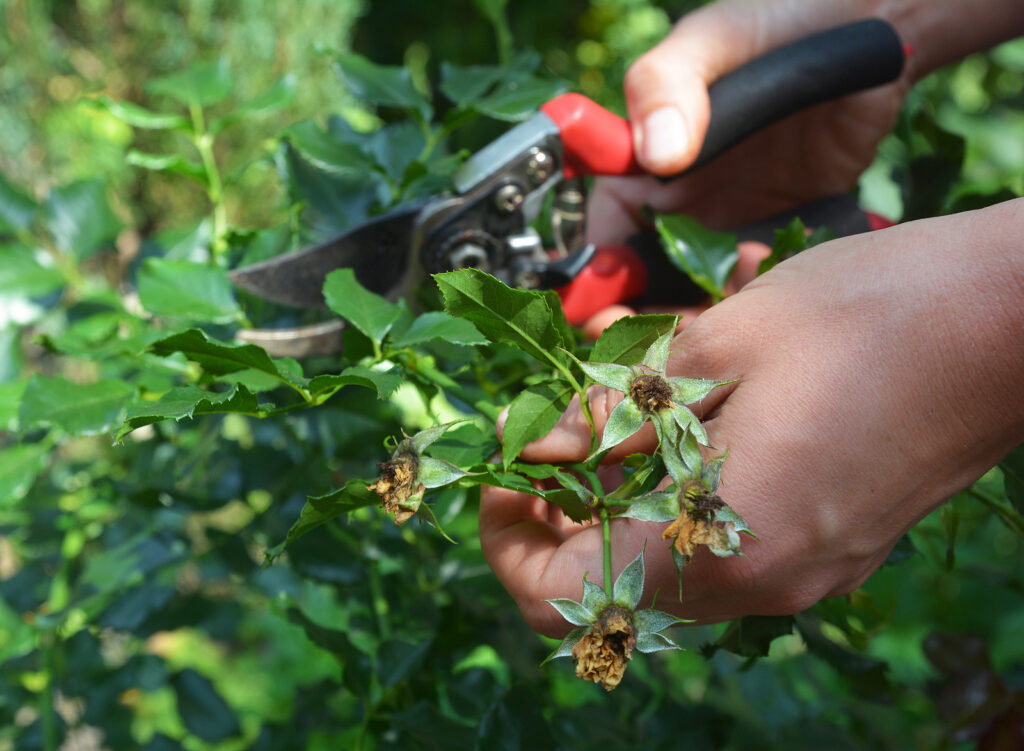
- During the blooming period, deadhead faded flowers. Cut spent blooms to just above the node of a leaf composed of five leaflets. This will encourage new blooms.
Pruning specific modern rose types
Climbers: Prune in late winter or early spring. Remove dead, diseased, or damaged wood in winter and deadhead in summer. Additional pruning may be needed to keep plants shapely; after year 3, prune main shoots to within the designated area of growth—such as the top of a trellis; reduce sideshoots by 2/3 or to 3 or 4 buds. Secure new canes to wires, trellis, or horizontal supports.
English roses: Prune in late winter or early spring. Leave new plants unpruned for 2 years. At year 3, remove dead or diseased wood in late winter, then prune lightly to shape the plants. Deadheading enhances repeat flowering.
Floribunda: Prune late winter or early spring. Cut back main stems to 10 to 18 inches (25-45cm) above the ground; reduce sideshoots to 2 to 3 buds. Prune lightly to remove damaged canes and shape bushes. Deadheading helps prolong the flowering period.
Grandiflora: Prune in late winter or early spring. Cut back main stems to 8 to 12 inches (20-25cm) above ground in temperate climates, cut back to 18 to 24 inches (40-60cm) above the ground in warm climates. Reduce sideshoots to 2 or 3 buds or 4 to 6 inches (10-15cm). Remove weak, spindly shoots. In summer remove dead flowers and canes that crowd the plant’s center.
Hybrid shrub roses: Prune in winter to remove dead and damaged wood. Cut back main stems to 8 to 12 inches (20-25cm) above ground in temperate climates 18 to 24 inches (40-60cm) in warm climates. Reduce sideshoots to 2 or 3 buds or 4 to 6 inches (10-15cm). Remove weak, spindly shoots. Deadheading is beneficial.
Hybrid tea: Prune in late winter or early spring. Frequent pruning and deadheading are needed to enhance plant vigor. Improve light penetration by pruning to an inverted cone shape, with an open center. Cut back main stems to 8 to 12 inches (20-25cm) above ground in temperate climates, 18 to 24 inches (40-60cm) in warm climates. Reduce sideshoots to 2 or 3 buds or 4 to 6 inches (10-15cm). Remove weak, spindly shoots as they appear.
Miniatures: Prune in late winter or early spring. Cut back stems and side shoot of dwarf cultivars and miniature bushes by 1/3 to ½. Plants are sparse by nature, so prune carefully. Deadhead to enhance repeat flowering. Give good winter protection and prune off dead tips in spring.
Tree roses: Prune tips back to 6 inches (15cm) in late fall, and thin to 6 evenly spaced branches. In summer, remove old blossoms and prune as needed to maintain a balanced shape.
Pruning specific old rose types
Boursault, Noisette, Climbing Bourbon: Prune in late winter or early spring. In the first 2 years, cut out only dead, disease, or damaged wood. From year 3, prune main shoots by 2/3 or to 3 or 4 buds.
Hybrid Sempervirens: Prune in summer after flowering. In the first 2 years, train stems onto a support; reduce sidshoots by 2/3 or to 2 to 4 buds. In year 3, reduce sideshoots; cut out ¼ to 1/3 of flowered stems at the base; new shoots will arise from the base.
Species and Rugosa: Prune in summer after flowering. For non-repeat blooming plants, prune main stems lightly, or cut back by up to 1/3 as necessary. Reduce sideshoots by ½ to 2/3.
Bourbon, China, Portland: Prune in late winter or early spring. Prune main stems lightly or cut back by up to 1/3 as necessary. Reduce sideshoots by ½ to 2/3.
Alba, Centifolia, Damask, Moss, Eglanteria, Hybrid Spinosissima: Prune in summer immediately after flowering. Prune main stems lightly of cut back by ¼ to 2/3, as necessary. Reduce sideshoots by 1/3.
Gallica: Prune in summer after flowering. Cut back overlong shoots by up to 1/3. Reduce sideshoots by 2/3.
Also of interest: